
Makima killed Power to break Denji’s heart, destroy his last found-family bond, and push him into the exact psychological collapse her plan required to control Chainsaw Man. In this ComicK deep-dive, we combine long-term manga reading experience with clear story logic to separate fan myths from what the narrative actually shows, using key character motives and timing clues that hold up on re-read.
Read on to uncover the 9 dark secrets behind that single shot and why fans still cannot forget it.
Why Did Makima Kill Power?
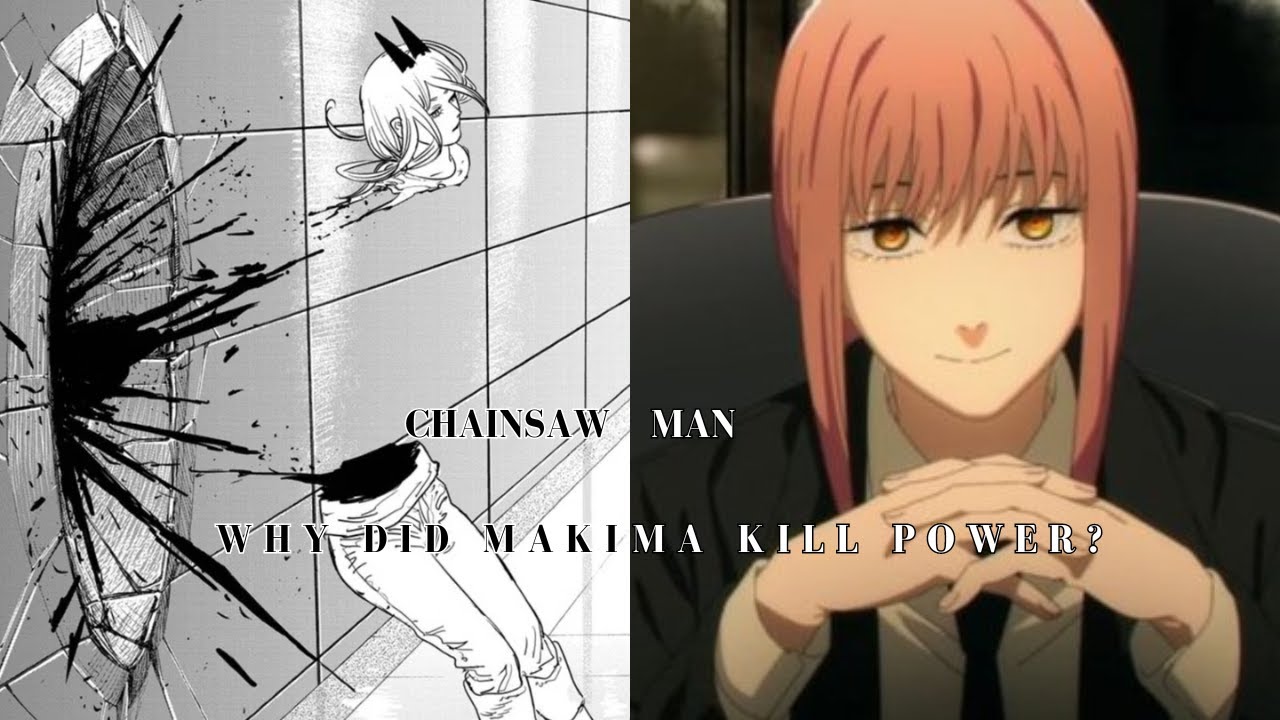
If you need a clean, accurate explanation that matches search intent:
- Makima killed Power to break Denji’s heart and remove his last emotional anchor.
- Makima needed Denji psychologically “emptied” so Chainsaw Man could surface.
- Power was a living symbol of Denji’s found family, and Makima could not allow Denji to keep it.
- The murder was also a demonstration of control: Makima proves she can take everything at any time, even in “safe” spaces.
Now let’s go deeper, because the story hides multiple layers under that single gunshot.
Why Power Matters So Much to Denji
To understand why Makima killed Power, you have to understand what Power represented in Denji’s life. Power was not just a teammate. She became a cornerstone of Denji’s identity.
Denji begins Chainsaw Man with almost no concept of love, stability, or self-worth. His childhood is defined by debt, hunger, exploitation, and isolation. When he joins Public Safety, he does not instantly become a “hero.” He becomes a boy placed into a system that offers rewards for obedience.
Power changes that.
Power as Denji’s first real “family” bond
Power is chaotic, selfish, loud, and often awful in the early chapters. Yet she is also one of the first people Denji experiences in a domestic, daily-life setting.
Over time, Power becomes:
- A sibling-like companion who shares routines, arguments, and mundane life.
- A mirror that reflects Denji’s own selfishness in a way that feels honest, not judgmental.
- A proof that affection can exist without manipulation, especially compared to Makima’s controlled warmth.
The key point is this: Denji’s attachment to Power is not about romance. It is about belonging.
When Denji starts to feel he has a home, a family, and a reason to wake up, Makima’s leverage weakens. That is the real threat Power poses.
Makima’s Larger Goal: Why Denji’s Happiness Was Always the Enemy
Makima’s plot is not simply “be evil.” She is running a long game that requires Denji’s inner life to be shaped in a very specific way.
Makima wants control of Chainsaw Man. That ambition is incompatible with Denji living a stable, emotionally supported life, because:
- A stable Denji can resist.
- A loved Denji can choose.
- A Denji with genuine attachments is unpredictable.
Makima’s ideal Denji is not a person. It is a container that can be opened when needed.
So Makima works systematically to build Denji up and tear him down, repeatedly, until his sense of self becomes dependent on her.
Power is a direct obstacle to that dependency.
The Scene Itself: Why It Feels So Violating
Fans often describe the moment Makima kills Power as “more than a death scene.” It is an emotional violation because of how it is staged.
- It happens in a space that feels safe.
- It follows a moment of relief and closeness.
- It is immediate, casual, and final.
Makima does not “fight” Power. She removes her like a clerical decision.
That staging is not just shock value. It is the point.
Makima is showing Denji, and the reader, that safety is an illusion she can revoke instantly.
The 9 Dark Secrets Behind Why Makima Killed Power

This is the heart of the article: nine distinct, layered reasons that explain Makima’s action without reducing it to one simplistic motive.
Dark Secret 1: Makima needed to erase Denji’s found family in one blow
Power and Aki form Denji’s first real household. That household is Denji’s first taste of normal life.
Makima cannot allow Denji to build a life that competes with her control. She does not simply want Denji obedient at work. She wants Denji emotionally owned.
So she eliminates the household itself:
- Aki is taken from Denji through tragedy that also weaponizes Denji’s hands.
- Power is taken at the exact moment Denji feels comfort returning.
By destroying the “family” structure, Makima ensures Denji cannot retreat into relationships for healing.
From ComicK’s reading, the timing matters more than the method. Makima kills Power when Denji is most vulnerable to believing life might stabilize.
Dark Secret 2: Makima used Power as the final emotional “anchor” to rip away
Makima does not remove Denji’s supports randomly. She strips them in sequence, escalating the impact.
When Power dies, Denji has already been pushed through trauma, guilt, and grief. In that context, Power is not just a friend. She is the last anchor holding him above total collapse.
Makima’s move is designed to produce a specific psychological outcome:
- Denji stops trusting happiness.
- Denji stops believing in safety.
- Denji stops believing he deserves good things.
That is what makes the scene so cruel. Makima is not just killing Power. She is killing Denji’s ability to imagine a future.
Dark Secret 3: Power was an unpredictable variable Makima could not fully “manage”
Power is a fiend, specifically the Blood Fiend. She is impulsive, opportunistic, and emotionally erratic.
Makima controls people best when they behave predictably under pressure. Power does not.
Even when Power is fearful, she does not become neatly obedient. She becomes messy. She runs. She hides. She clings. She makes irrational choices.
That kind of unpredictability is dangerous to Makima’s plan, because:
- It creates scenarios Makima cannot script perfectly.
- It pulls Denji toward genuine attachment rather than transactional reward.
- It introduces a loyalty Denji might prioritize over Makima’s commands.
Makima’s solution is simple: remove the variable.
Dark Secret 4: Makima needed Denji broken enough to “separate” him from Chainsaw Man
This is the most important layer for readers who want the true story answer.
Makima’s endgame requires Denji to be psychologically destroyed to the point where he can no longer function as himself. In that state, Chainsaw Man can surface.
Makima is not aiming for Denji to be sad. She is aiming for Denji to be hollow.
Power’s death is a final trigger that pushes Denji into:
- dissociation
- numbness
- surrender
When Denji can no longer hold his identity together, he becomes easier to overwrite. That is the function of the act.
This is why fans often say Makima “broke Denji.” That phrasing is not metaphor. It is operational.
Dark Secret 5: The murder is a demonstration of dominion in the most intimate setting possible
Makima could have killed Power in a battlefield. She chooses a domestic moment instead. That is not accidental.
By killing Power in a “home-like” setting, Makima communicates a chilling rule:
- There is no private space beyond her reach.
- There is no intimacy she cannot invade.
- There is no comfort that cannot be converted into fear.
This reinforces Makima’s broader control strategy. She does not want Denji to feel safe anywhere except in submission to her.
The psychological message is stronger than any physical fight could be.
Dark Secret 6: Makima used Power’s trust as a weapon against Denji
Another reason the scene hurts is that Power is not at her most combative. She is in a moment where she is trying to return to connection, to be close, to seek support.
Makima exploits that.
This is one of the darkest patterns in Chainsaw Man: tenderness is often used as bait. Makima repeatedly positions herself as a provider of safety, then turns that safety into a trap.
Power’s death is not just violence. It is betrayal of the concept of refuge.
Denji is forced to learn, instantly, that:
- even the act of coming home can be punished
- even the act of trusting can be fatal
It is emotional conditioning at gunpoint.
Dark Secret 7: Makima needed to sever Denji’s “equal bond” so she could remain the only emotional authority
Denji’s relationship with Makima is vertically structured. She is the boss, the handler, the one who sets the terms. Denji is rewarded when he behaves.
Denji’s relationship with Power is horizontally structured. It is messy, mutual, and not dependent on Makima’s approval in the same way.
That difference matters because equal bonds are where people develop autonomy.
With Power, Denji learns:
- he can care without being commanded
- he can be needed without being owned
- he can choose loyalty without being bribed
Makima cannot permit Denji to practice autonomy. She wants Denji trained into dependency. So she destroys the relationship that teaches him the opposite.
Dark Secret 8: Power’s death completes a “hope then ruin” cycle that trains Denji to stop reaching for happiness
Makima’s manipulation follows a pattern:
- offer Denji a reward
- let him believe he earned it
- attach emotional meaning to it
- destroy it to teach helplessness
Power’s death is the culmination of that cycle.
At this point in the story, Denji has learned that good moments are always temporary, and that he does not control their duration. Makima reinforces that lesson so strongly that Denji begins to internalize it as a personal truth: “I am not allowed to have good things.”
That belief is a cage.
From ComicK’s lens, this is one of the most realistic depictions of coercive control in popular manga. The abuser does not only hurt you. They train you to stop hoping.
Dark Secret 9: Makima kills Power because love is the one force she cannot tolerate unless she owns it
This is the thematic core.
Makima’s power is about control, hierarchy, and possession. Love, in its healthiest form, is voluntary and cannot be fully owned. That makes it threatening.
Power and Denji’s bond is not clean or perfect, but it is real. It grows without Makima’s permission. It is not purely transactional. It is not purely fear-based.
That kind of bond undermines Makima’s worldview.
So Makima does what controlling forces often do: she destroys the independent love that proves people can be loyal to something other than her.
In short: Makima kills Power because Power represents a type of connection Makima cannot manufacture authentically.
Was Makima Afraid of Power’s Strength?
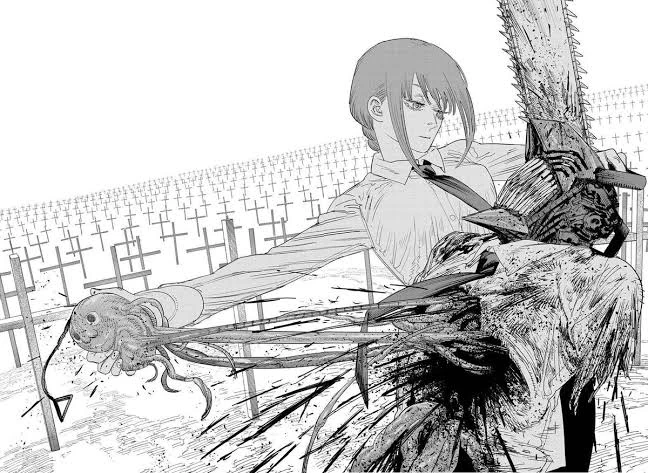
Some fans ask if Makima killed Power because Power was becoming “too strong.”
Power has moments of terrifying potential, especially when conditions amplify her Blood Devil abilities. But in most direct readings of the story, Makima’s decision is less about raw combat threat and more about strategic emotional leverage.
Makima is not removing Power because Power could defeat her in a fair fight. Makima is removing Power because Power could keep Denji human.
Why Makima Chose That Specific Moment
Timing is one of the most important clues to motive.
Makima kills Power when:
- Denji is already emotionally damaged
- Denji is seeking stability
- Power is re-entering Denji’s life as comfort
If Makima kills Power too early, Denji might still have emotional resilience, or might lash out in a way that disrupts Makima’s pacing. If Makima kills Power too late, Denji might rebuild meaning and independence.
Makima waits for the moment where Power’s death will do maximum psychological damage.
That is not impulsive villainy. It is planning.
What Makima Was Really Doing to Denji
If you zoom out, Makima’s relationship with Denji is structured like coercive grooming.
Key features include:
- Reward conditioning
Denji is given affection or validation when he complies. - Isolation
Denji’s meaningful bonds are severed or contaminated. - Reality control
Makima frames what is “normal,” what Denji deserves, and what Denji should want. - Trauma reinforcement
Denji is pushed into states where he is easier to direct.
Power’s death is the most blatant instance of isolation. Makima is eliminating Denji’s strongest non-Makima attachment.
ComicK team note: This is also why fans react so strongly. The scene is not only sad. It is recognizable as a real-world pattern of control, amplified into horror.
How Power’s Death Changes Denji Permanently
After Power’s death, Denji’s internal world shifts. He does not just grieve. He loses the structure that made grief survivable.
Power was part of Denji’s daily life:
- arguments
- meals
- chores
- petty fights
- shared boredom
Those mundane details matter because they are how humans stabilize after trauma. When those routines are gone, Denji’s trauma becomes uncontained.
Denji’s response shows:
- emotional shutdown
- reduced initiative
- willingness to surrender decision-making
Makima’s goal is not merely to win a battle. It is to reshape Denji into someone who no longer resists being used.
The “Can Power Come Back?” Question and Why It Matters Here
A frequent related query is whether Power can return, since devils can reincarnate.
The critical nuance is this:
- Power as the specific fiend Denji knew is gone.
- The Blood Devil may return in another form, but it would not automatically be the same “Power.”
That difference is emotionally brutal and thematically consistent. Even if a similar entity returns, Denji cannot simply restore what was lost. Makima’s act is still irreversible in the way that matters.
This is also why the scene remains unforgettable. It is not just death. It is the destruction of a relationship that cannot be repaired by typical shonen logic.
Why Fans Still Cannot Forget This Moment
People remember Power’s death for three interconnected reasons:
- It is narratively sudden, refusing the comfort of a heroic last stand.
- It is psychologically targeted, not merely violent.
- It weaponizes intimacy, turning “home” into the murder scene.
It feels personal because the story frames it as personal. Makima kills Power in a way that says: “Your happiness exists because I allow it.” That line is never spoken, but it is communicated perfectly.
ComicK Team Take: The Most Accurate Interpretation in One Sentence
If you want the most faithful, high-signal interpretation:
Makima killed Power because Power represented Denji’s independent love and stability, and Makima’s plan required Denji to be isolated, hopeless, and controllable.
That is the story answer, and it is the emotional answer.
Key Takeaways for Readers and Writers
If you are using this topic for analysis, SEO content, or video scripts, here are the most important points to emphasize.
- Makima’s motive is strategic, not impulsive.
The act is part of a long plan, not a momentary outburst. - Power’s death is about Denji more than Power.
Makima is attacking Denji’s heart and identity. - The setting and timing are the message.
Makima chooses intimacy to communicate omnipresence. - The theme is control versus voluntary love.
Makima cannot tolerate bonds she does not own.
FAQ: Why Did Makima Kill Power?
Why did Makima kill Power in one shot?
Because Makima wanted maximum shock, zero resistance, and a clean psychological strike against Denji without the distraction of a fight.
Was Makima jealous of Power?
Not jealous in a romantic sense. She viewed Power as a competing emotional bond that weakened Denji’s dependency on Makima.
Did Makima kill Power to summon Chainsaw Man?
Yes, in effect. Breaking Denji psychologically is a key step in forcing Chainsaw Man to surface.
Was Power a threat to Makima’s power?
Not primarily as a fighter. Power was a threat because she anchored Denji to a life Makima could not fully control.
Why did Makima kill Power after bringing her back?
Because the return created hope, and hope makes despair more devastating. Makima weaponized relief into trauma.
Did Makima plan Power’s death from the start?
Makima’s broader plan required removing Denji’s bonds. Whether every detail was predetermined, the strategic need to eliminate Power was consistent with her objectives.
Why did Makima kill Power in a “safe” place?
To prove there is no safe place beyond her reach and to contaminate the idea of home with fear.
Can Power come back after Makima killed her?
Power as Denji knew her is gone. The Blood Devil may reincarnate, but it would not automatically restore the same personality and relationship.
What was Makima trying to teach Denji by killing Power?
That love and comfort are conditional, and that Denji has no control over what he keeps, reinforcing helplessness and dependence.
Is Power’s death the most important moment in Denji’s character arc?
It is one of the most critical. It finalizes Denji’s emotional collapse and sets the conditions for the story’s endgame.
You may also like:
Chainsaw Man Characters: 15 Brutal Legends You Can’t Forget
How Old Is Makima Really? 5 Dark Secrets Behind Her Ageless Power
Is Chainsaw Man Manga Over? 10 Explosive Details Behind the Rumors

Jessica is a content editor at ComicK, with experience tracking and curating information from a wide range of Manga, Manhwa, and Manhua sources. Her editorial work focuses on objectivity, verifiable information, and meeting the needs of readers seeking reliable insights into the world of comics.