
One piece manga characters are the legendary icons who shape the Grand Line’s power balance, define the biggest emotional arcs, and push the story forward through unforgettable dreams, betrayals, and victories. In this guide, you’ll get a curated list of 30 iconic One Piece characters, spanning Straw Hats, Emperors, Marines, Warlords, and revolutionaries, with clear reasons why each one matters in the manga.
To keep this list reliable and easy to scan, ComicK compiles it using character impact across major sagas, narrative influence, fan consensus, and lasting relevance to One Piece’s worldbuilding, not just raw strength or hype. Ready to meet the 30 names you simply can’t skip? Let’s dive into the legends.
Why One Piece Manga Characters Feel Larger Than Life
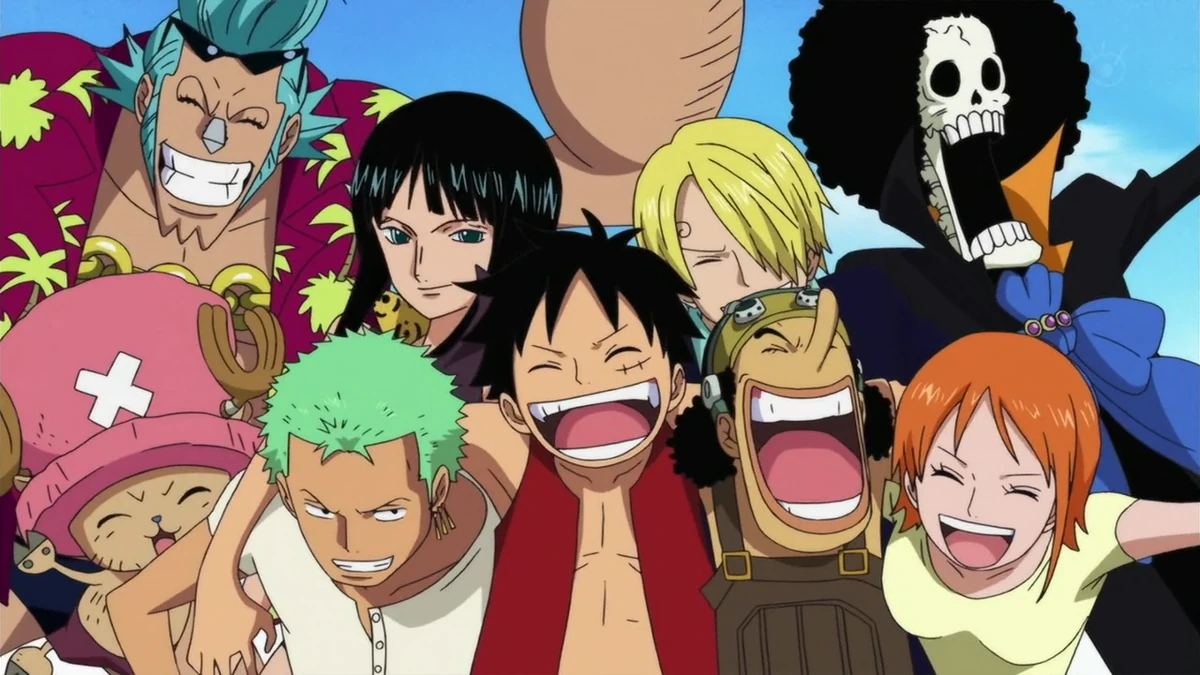
One Piece has hundreds of characters, but only a smaller tier becomes truly unforgettable. The best one piece manga characters share a few traits that consistently convert casual readers into lifelong fans:
- A clear dream with a real cost
One Piece treats ambition seriously. Dreams demand sacrifice, patience, and sometimes tragedy. That makes victories feel earned, not convenient. - Distinctive design and instantly recognizable “presence”
Even in a crowded panel, you know who matters. Silhouettes, expressions, and signature props create characters who are easy to remember and hard to replace. - Powers that reinforce personality
Devil Fruits, Haki, and fighting styles do not exist only for spectacle. The best abilities mirror inner identity: control, chaos, loyalty, pride, fear, freedom. - A role in the world’s political and moral tension
Pirates, Marines, Warlords, Emperors, and the World Government collide constantly. The most iconic characters sit at the pressure points, where values and power meet.
How This List Was Picked (and What “Legendary” Means)
This is not a “strongest only” ranking. Instead, these 30 icons were selected using criteria that align with how fans actually search and discuss one piece manga characters:
- Narrative weight: Do they change the direction of the story or the emotional core of an arc?
- Cultural impact: Are they consistently referenced, cosplayed, debated, and quoted?
- Distinctiveness: Would the series feel fundamentally different without them?
- Longevity: Do they remain relevant across sagas, not just a single arc?
- Balance of factions: Straw Hats, pirates, Marines, Warlords, and revolutionaries all matter in the One Piece ecosystem.
ComicK team share (quick reality check): when readers ask “Who should I learn first?” they rarely mean “Who has the highest stats?” They mean “Who explains the world to me and makes me care?” That is the spirit of this list.
The 30 Legendary One Piece Manga Characters You’ll Never Forget
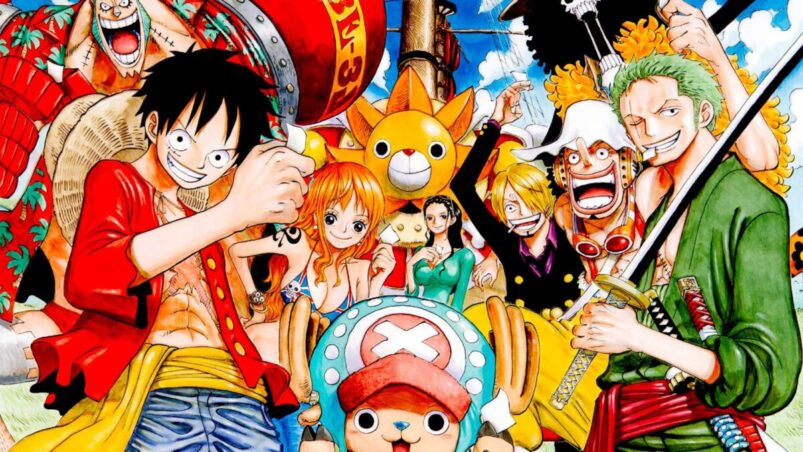
Straw Hat Pirates: the emotional engine of the story
1. Monkey D. Luffy
Luffy is the heartbeat of One Piece: simple on the surface, profound in execution. He does not lead through speeches. He leads through choices.
- Why he is iconic: Freedom is his core value, and he treats it as non negotiable.
That single trait makes him the natural enemy of tyrants and the natural ally of the oppressed. - What defines him in battle: Devil Fruit creativity plus Haki growth, but more importantly, refusal to submit.
- Why readers remember him: His ability to take pain, laugh anyway, and keep moving creates a hero who feels timeless rather than trendy.
2. Roronoa Zoro
Zoro is discipline turned into a character. He is the archetype of the loyal right hand, but with enough intensity to stand alone.
- Why he is iconic: Loyalty with teeth. He supports Luffy, but never as a sidekick.
- What defines him in battle: Swordsmanship, endurance, and a willingness to take responsibility when it hurts.
- Why readers remember him: He represents the idea that greatness is built, not gifted.
3. Nami
Nami proves that One Piece power is not only physical. She is strategy, navigation, and survival instincts refined by hardship.
- Why she is iconic: She brings real world intelligence into a world of monsters.
- What defines her role: Mapping, planning, reading danger early, and keeping the crew alive between fights.
- Why readers remember her: Her backstory and emotional courage transform her from “navigator” into one of the series’ strongest hearts.
4. Usopp
Usopp is the most relatable Straw Hat because he is not fearless. He is scared, and still shows up.
- Why he is iconic: Bravery without invincibility. His courage feels earned.
- What defines him in battle: Ingenuity, range tactics, and turning weakness into advantage.
- Why readers remember him: His growth is a long narrative investment, and readers feel every step.
5. Sanji
Sanji blends elegance and anger, humor and trauma. He is a cook, a fighter, and a walking thesis on dignity.
- Why he is iconic: Principles under pressure. He protects others even when it costs him personally.
- What defines him in battle: Speed, precision kicks, and a style that is both flashy and ruthless.
- Why readers remember him: He carries deep emotional complexity while still being fun on the page.
6. Tony Tony Chopper
Chopper is the series’ clearest symbol of belonging. He starts as an outsider and becomes family.
- Why he is iconic: Kindness that refuses to be naive.
- What defines him in battle: Transformations and adaptability, but also medical knowledge that changes outcomes.
- Why readers remember him: He embodies the message that being different is not a flaw.
7. Nico Robin
Robin is quiet power. Her presence signals that the story is not just adventure, it is history and truth.
- Why she is iconic: She connects the Straw Hats to the world’s forbidden knowledge.
- What defines her role: Archaeology, deciphering secrets, and moral clarity shaped by a painful past.
- Why readers remember her: Her journey from isolation to trust is one of the series’ most satisfying transformations.
8. Franky
Franky is both ridiculous and inspiring: a loud personality with sincere loyalty.
- Why he is iconic: He represents self made identity. He chose who he became.
- What defines him: Engineering, shipwright genius, and a “bigger than life” vibe that fits One Piece perfectly.
- Why readers remember him: He turns craftsmanship into heroism, proving that building can be as epic as fighting.
9. Brook
Brook takes a potentially silly concept and makes it soulful. His humor is a mask for loneliness and endurance.
- Why he is iconic: Joy in the face of tragedy.
- What defines him in battle: Speed, swordplay, and supernatural flair with surprising emotional weight.
- Why readers remember him: He can make you laugh and then suddenly remind you what time steals from everyone.
10. Jinbe
Jinbe is leadership under control. He brings maturity to the Straw Hats without diluting their chaos.
- Why he is iconic: He bridges pirates, Fish Men, and global politics.
- What defines him in battle: Calm technique, mastery of his martial style, and strength that looks effortless.
- Why readers remember him: He represents integrity in a world that constantly rewards corruption.
Pirate Legends and Emperors: the myths of the sea
11. Gol D. Roger
Roger is the spark that ignites everything. Even when absent from the present timeline, his will defines the era.
- Why he is iconic: He turns treasure into a symbol of possibility.
- What defines him: The Pirate King title is not just status, it is narrative gravity.
- Why readers remember him: His legacy creates the Great Pirate Age, meaning every major character is reacting to Roger in some way.
12. “Red Hair” Shanks
Shanks is charisma with menace. He is calm, friendly, and still feels like a force of nature.
- Why he is iconic: He embodies balance: diplomacy when possible, overwhelming power when necessary.
- What defines him: Authority that does not require constant violence to be respected.
- Why readers remember him: He is central to Luffy’s motivation and to the power structure of the New World.
13. Edward Newgate (Whitebeard)
Whitebeard is the best example of strength paired with fatherhood. He reframes what “pirate family” can mean.
- Why he is iconic: Protection as purpose. He does not chase domination for its own sake.
- What defines him: A presence so large that wars revolve around him.
- Why readers remember him: He proves that the strongest characters are not always the coldest.
14. Charlotte Linlin (Big Mom)
Big Mom is terrifying because she is not evil in a clean, rational way. She is desire and hunger turned into empire.
- Why she is iconic: She mixes whimsy and horror, turning fairy tale aesthetics into real menace.
- What defines her: An appetite for control, family, and territory, expressed through overwhelming force.
- Why readers remember her: She shows how a dream can warp into tyranny.
15. Kaido
Kaido represents the blunt reality of power. When he moves, the world reacts.
- Why he is iconic: He is a walking wall that forces characters to evolve or break.
- What defines him: Brutal durability, fear based rule, and a philosophy that strength determines truth.
- Why readers remember him: He embodies the “final boss” energy that defines late stage One Piece conflict.
16. Marshall D. Teach (Blackbeard)
Blackbeard is the most dangerous kind of villain: the opportunist who understands history and uses it.
- Why he is iconic: He mirrors Luffy in a dark, pragmatic way. Both chase dreams, but one builds freedom while the other exploits chaos.
- What defines him: Calculation, ambition, and a willingness to gamble with lives.
- Why readers remember him: He feels like the natural antagonist to the series’ core ideals.
17. Buggy
Buggy is proof that One Piece loves irony. He is comedic, and still ends up entangled with major power.
- Why he is iconic: Accidental legend. His reputation grows beyond his original reality.
- What defines him: Charisma through chaos, luck through confusion, and a strange ability to survive history.
- Why readers remember him: He captures One Piece humor while still influencing the world’s political theater.
Allies and rivals: characters who make the journey matter
18. Portgas D. Ace
Ace is the story’s emotional accelerator. He turns the theme of family into something raw and unforgettable.
- Why he is iconic: He embodies love, pride, and the struggle to accept being valued.
- What defines him: A powerful presence tied to Luffy’s growth and the broader era’s conflict.
- Why readers remember him: His legacy becomes a permanent part of the series’ emotional architecture.
19. Sabo
Sabo adds complexity to the “brotherhood” motif by tying it directly to ideology and revolution.
- Why he is iconic: He connects personal bonds to global change.
- What defines him: A commitment to dismantling oppressive systems, not just winning fights.
- Why readers remember him: He embodies hope that the world can be rebuilt, not only conquered.
20. Trafalgar D. Water Law
Law is a fan favorite because he feels like a protagonist from a different genre: colder, strategic, and quietly principled.
- Why he is iconic: Competence. He plans, adapts, and treats the New World like a chessboard.
- What defines him: A distinct Devil Fruit ability, sharp intellect, and a trauma shaped motivation.
- Why readers remember him: He brings a darker tone that still harmonizes with Luffy’s optimism.
21. Nefertari Vivi
Vivi’s power is moral, not physical. She is one of the clearest demonstrations that One Piece respects political courage.
- Why she is iconic: She chooses duty without losing compassion.
- What defines her: The ability to move hearts and redirect conflict through empathy and resolve.
- Why readers remember her: She proves that “legendary” does not always mean “strongest.”
22. Kozuki Oden
Oden is larger than life, but he also feels personal. His legend shapes a nation’s identity.
- Why he is iconic: He ties adventure to responsibility: exploration is thrilling, but consequences are real.
- What defines him: Charisma, strength, and a willingness to be remembered for the right reasons.
- Why readers remember him: He shows how a single life can define the fate of an entire country.
Warlords and underworld icons: glamour, cruelty, and myth
23. Dracule Mihawk
Mihawk is the benchmark for swordsmanship. Even his quiet scenes feel like a challenge.
- Why he is iconic: He represents the “ceiling” Zoro must reach.
- What defines him: Calm dominance and an aura that suggests mastery without needing constant proof.
- Why readers remember him: He turns the idea of being the best into a compelling mystery.
24. Boa Hancock
Hancock is a perfect example of One Piece character writing: comedic on the surface, deeply wounded underneath.
- Why she is iconic: Her pride is a shield for trauma, and her strength is undeniable.
- What defines her: A mix of charm, intimidation, and a power set that matches her persona.
- Why readers remember her: She is both hilarious and dangerous, a rare combination done well.
25. Crocodile
Crocodile is one of the most influential early saga villains, and he never really stops being relevant.
- Why he is iconic: He demonstrates how intelligence and organization can rival raw strength.
- What defines him: Ruthless ambition, underworld tactics, and the ability to destabilize nations.
- Why readers remember him: He sets the template for political arc antagonists.
26. Donquixote Doflamingo
Doflamingo is cruelty with style. He is one of the series’ best portraits of how privilege can rot into sadism.
- Why he is iconic: He is terrifying not only because of power, but because of worldview.
- What defines him: Manipulation, theatrical violence, and a network that makes him feel omnipresent.
- Why readers remember him: He makes the theme of “freedom versus control” brutally concrete.
27. Bartholomew Kuma
Kuma is the definition of “do not judge the cover.” His story is one of the series’ most haunting examples of sacrifice.
- Why he is iconic: He embodies quiet devotion and tragedy tied to larger institutions.
- What defines him: A presence that spans pirates, government forces, and humanitarian themes.
- Why readers remember him: He makes readers rethink what heroism can look like.
Marines and revolution: the forces that shape the world
28. Monkey D. Garp
Garp is a paradox: a Marine legend with a free spirit, a family man inside a rigid system.
- Why he is iconic: He personifies the tension between justice and institution.
- What defines him: Monumental reputation, overwhelming physicality, and a complicated relationship with pirates.
- Why readers remember him: He forces the reader to ask whether “good people” can thrive inside flawed structures.
29. Sakazuki (Akainu)
Akainu is one of the most polarizing one piece manga characters because he is conviction without compassion.
- Why he is iconic: He represents “absolute justice” taken to its extreme conclusion.
- What defines him: A ruthless approach that treats collateral damage as acceptable.
- Why readers remember him: He is not simply a villain, he is a philosophy with a uniform and authority.
30. Monkey D. Dragon
Dragon is the storm in the background of One Piece. Even when he is not on the page, his influence is felt.
- Why he is iconic: He symbolizes systemic change, not personal glory.
- What defines him: Revolutionary leadership and the promise of truths the world does not want revealed.
- Why readers remember him: He connects the personal story of Luffy to the global struggle against oppression.
Power Systems That Shape These Icons: Devil Fruits, Haki, and Will
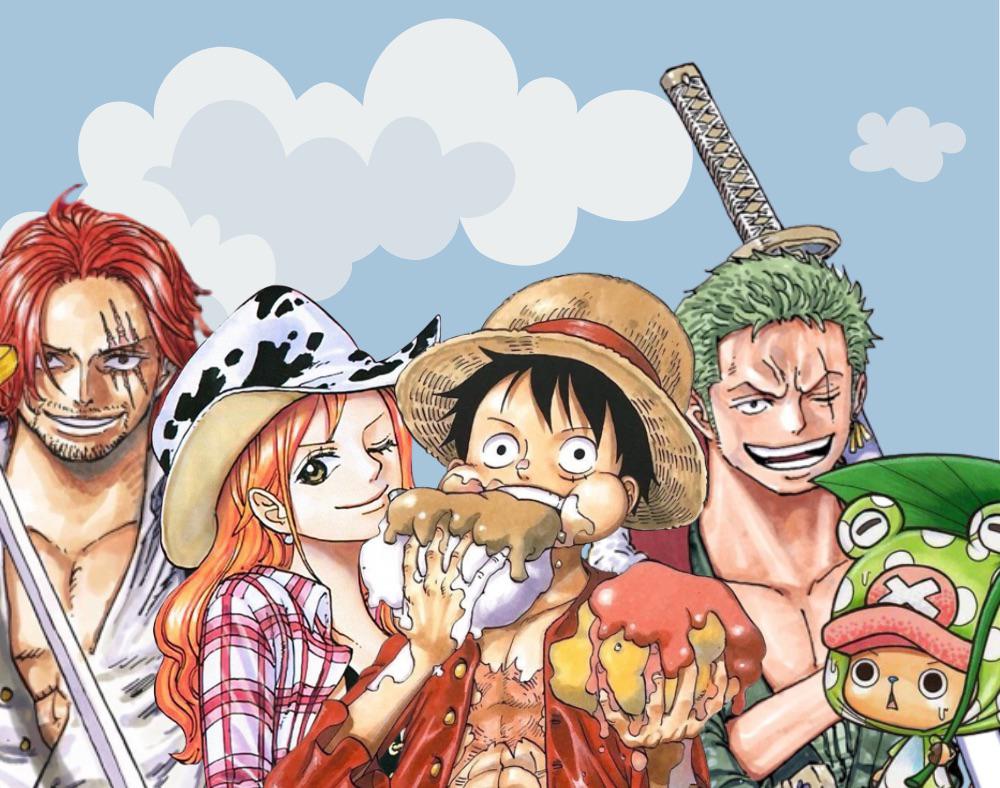
If you are learning one piece manga characters for the first time, understanding how power works will help you understand why certain figures feel legendary.
Devil Fruits: identity turned into combat language
Devil Fruits often amplify a character’s personality:
- Control based powers tend to belong to planners and manipulators, reinforcing themes of domination.
- Chaos or transformation powers often match characters who break norms and force the world to adapt.
- Elemental or destructive powers frequently align with ideologies that demand obedience or fear.
What matters is not only what a fruit can do, but what it says about the character’s approach to life.
Haki: the series’ answer to “willpower as reality”
Haki is critical because it turns conviction into something tangible. In simple terms, Haki reflects:
- Self mastery
The ability to stay calm, focused, and decisive under pressure. - Presence and intimidation
A top tier leader can change a battlefield before throwing a punch. - Growth through confrontation
Many characters evolve because the New World punishes stagnation.
Will: the hidden currency of One Piece
One Piece repeatedly shows that will is not motivational fluff. It is the core engine behind:
- Comebacks that feel earned
- Loyalty that survives betrayal
- Dreams that outlast empires
When fans argue about the greatest characters, they are usually arguing about will, not just power scaling.
Character Arcs and Themes You’ll Notice Across These 30 Icons
The most iconic one piece manga characters are memorable because they represent recurring themes. If you read their stories side by side, patterns emerge.
Freedom versus control
Luffy, Shanks, and Roger represent freedom as expansion of possibility. Characters like Doflamingo and Akainu represent control as “order,” even when it crushes people.
Found family as a survival strategy
From Whitebeard’s crew to the Straw Hats, One Piece treats chosen bonds as a legitimate form of family, often more reliable than bloodline.
The cost of ideals
Many legends are defined by what they refuse to compromise. The series does not romanticize this. It shows the price.
History as a battlefield
Robin, Roger, Dragon, and several others prove that the greatest war is not always fought with fists. Sometimes it is fought over information, memory, and narrative.
ComicK team share: readers who think they want “the strongest list” often end up bookmarking the chapters where a character makes a moral choice instead. That is the real reason these icons endure.
How to Enjoy One Piece Manga Characters Without Getting Overwhelmed
With such a massive cast, it is easy to feel lost. A practical approach:
- Start with the Straw Hats
Learn their roles, values, and dynamics first. They are the anchor that makes everything else readable. - Add one power structure at a time
Understand Emperors, then Warlords, then Marines, then revolutionaries. Each layer explains the next. - Follow arcs through character motivations, not just fights
When you track what a character wants, the plot becomes easier to remember.
If you are reading on ComicK, one helpful habit is to keep a simple note: character name, dream, and one defining choice. That alone clarifies most confusion.
FAQ About One Piece Manga Characters
Which One Piece manga characters are the most important to know first?
Start with the Straw Hat Pirates, then learn key pillars of the world: Roger, Shanks, Garp, and one major Emperor like Whitebeard or Kaido. This gives you protagonists, legacy, Marines, and New World power in one clean framework.
Are Devil Fruits more important than Haki for top characters?
Both matter, but at the highest level, Haki and willpower often decide outcomes. Devil Fruits add unique matchups, while Haki reflects mastery and leadership.
Who are the most iconic villains in One Piece?
For lasting impact, Doflamingo, Crocodile, Akainu, Blackbeard, Big Mom, and Kaido are among the most iconic because they represent different forms of power: political control, fear, ideology, and ambition.
Is Vivi considered a “major” character even without top tier power?
Yes. Vivi is a major character because One Piece treats political courage and moral leadership as meaningful forms of strength.
Why is Shanks so popular despite limited screen time?
Shanks feels like a “final tier” figure: calm authority, deep ties to the world order, and direct relevance to Luffy’s dream. That combination creates lasting intrigue.
What makes Law one of the most loved One Piece manga characters?
Law combines competence, a distinctive ability set, and emotional depth. Readers trust him because he plans like a professional, not a lucky improviser.
Do the Straw Hats each represent a theme?
Yes. Examples:
- Luffy: freedom
- Zoro: discipline
- Nami: survival and intelligence
- Usopp: courage earned
- Robin: truth and history
These themes make the crew feel like a complete “human toolkit,” not just a fighting squad.
Who is the most legendary character overall?
If “legendary” means historical gravity, Gol D. Roger is the top answer. If it means emotional centrality, Luffy is the core of the entire narrative.
Are the Warlords still relevant as a concept?
Even when the system changes, the Warlords remain relevant because the characters tied to it, like Mihawk, Hancock, Crocodile, and Kuma, continue to influence the world’s balance of power.
What is the best way to remember so many One Piece manga characters?
Use a three part memory hook: faction (pirate, Marine, etc.), dream or ideology, and one defining moment. This is faster than trying to memorize every detail at once.
You may also like:
How Old Is Denji Really? 5 Brutal Truths Behind His Tragic Childhood
How Old Is Makima Really? 5 Dark Secrets Behind Her Ageless Power
Why Did Makima Kill Power? 9 Dark Secrets Fans Still Can’t Forget

Jessica is a content editor at ComicK, with experience tracking and curating information from a wide range of Manga, Manhwa, and Manhua sources. Her editorial work focuses on objectivity, verifiable information, and meeting the needs of readers seeking reliable insights into the world of comics.