
Dandadan is not for kids; with 24 anime episodes available so far, it’s generally better for teens (around 15+) because it includes intense paranormal horror, violence, crude humor, and sexual references that can overwhelm younger viewers.
In this guide, I apply a parent-style content checklist and episode-by-episode preview method, cross-checking what appears on-screen and what’s implied in early arcs (easy to verify by skimming the manga on ComicK) so you can make a confident, evidence-based call. Is Dandadan for kids? Here are the 10 intense reasons it plays safer, clearer, and more responsibly for teens.
Is Dandadan for Kids? A Clear Age Guidance Snapshot With Episode Count
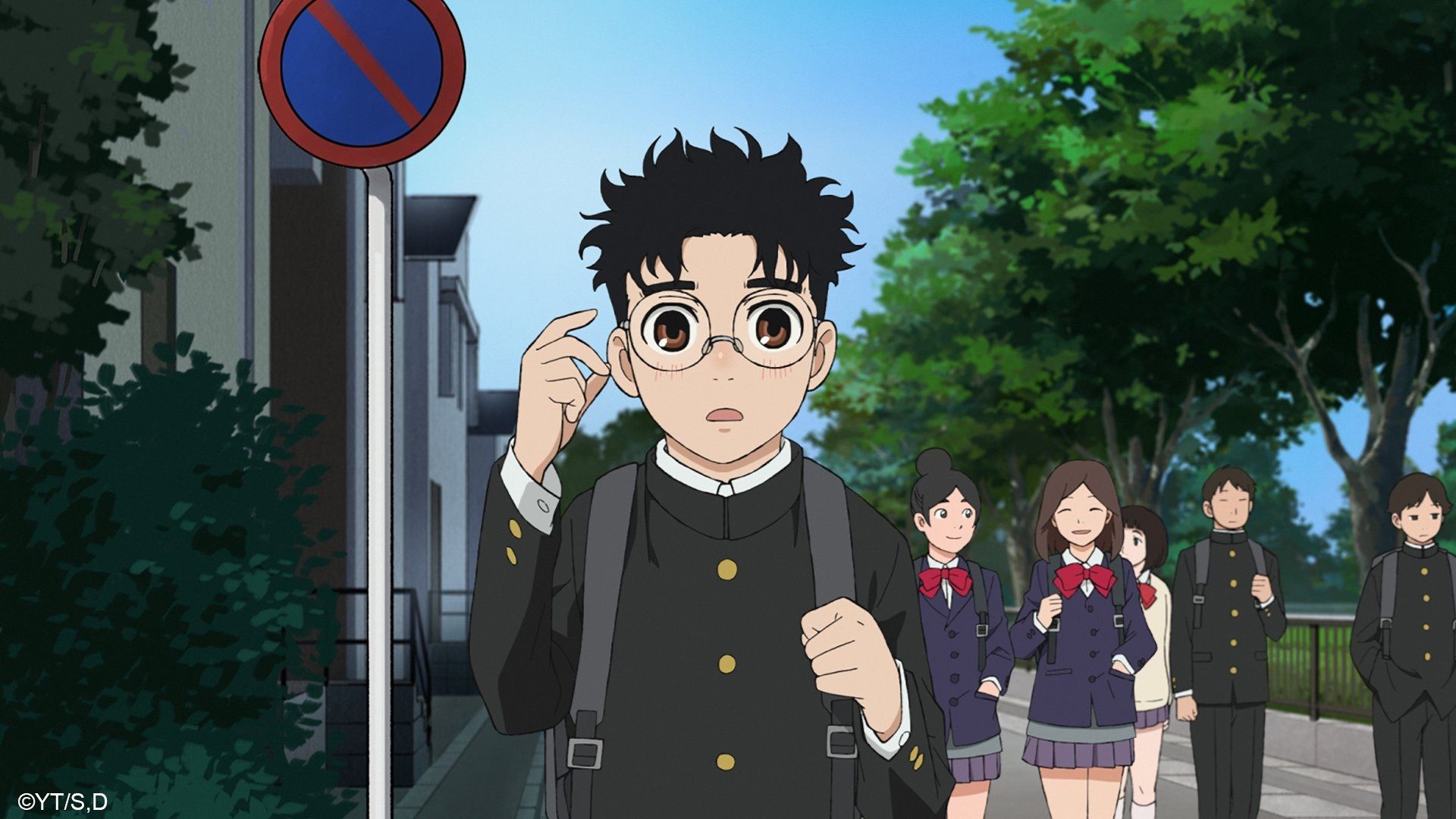
Most parents asking “Is Dandadan for kids?” are really asking two things: (1) what age is it aimed at, and (2) what kinds of scenes might cross your family’s line. The short answer is that Dandadan is generally teen-oriented, not child-oriented, even though it comes from a shonen ecosystem and features high school leads. It uses bright animation and rapid-fire comedy as a delivery system for content that can be genuinely unsettling for younger viewers.
As of January 2026, the anime sits at 24 episodes, which is useful because you can preview a manageable sample before committing. If you watch only the first episode or two, you will understand quickly whether the tone is compatible with your household. The show does not “start gentle and become intense later.” It signals early that it will mix humor with frightening threats and uncomfortable situations.
Across major parent guides, the recurring flags tend to be consistent: moderate to strong violence, horror imagery, crude jokes, sexual references, and scenes that may require media literacy to process. Some regions label it around mid-teen; some platforms and parents describe it as more mature depending on local standards. The safest, most widely workable rule is this: under 13 is generally not recommended, ages 13–14 only with adult preview and co-watching, and 15+ is typically the comfort zone for most teens who already handle intense supernatural series responsibly.
If you want a fast check before you press play, read a few manga chapters to gauge tone. Many readers use ComicK to skim early arcs and spot content triggers quickly, which can be easier than scanning video episode-by-episode.
Intense Reason 1 and 2: Violence, Monster Threats, and “Not-For-Kids” Action
Dandadan is an action series, but it is not “safe action.” The violence tends to be stylized rather than realistically gory, yet the threat language is often harsher than what you see in lighter battle anime. Characters are chased, cornered, attacked by grotesque entities, and thrown into frantic sequences that are designed to feel overwhelming. For a younger child, the issue is not whether blood is on-screen; it is whether the show’s fear intensity and sense of danger feel too real.
Reason 1: The fights are scary, not just exciting. Many action shows frame combat as heroic spectacle. Dandadan frequently frames it as survival horror with jokes layered on top. The visual design leans into creepy faces, distorted bodies, and unsettling transformations. Kids who handle “monsters of the week” may still struggle with Dandadan’s more aggressive tone and abrupt jump-scare energy.
Reason 2: The pacing amplifies intensity. Dandadan cuts quickly, escalates rapidly, and stacks threats with little breathing room. Younger viewers often need slower tonal transitions to regulate emotion. Here, the show can pivot from laughter to dread within seconds. That tonal whiplash is fun for teens who enjoy chaotic storytelling, but it can be dysregulating for kids who prefer stable emotional lanes.
If your child is sensitive to nightmares, anxiety spikes, or fear of the dark, treat Dandadan as a teen show by default. The combination of supernatural horror, alien encounters, and relentless chase sequences is simply not built for younger audiences.
Intense Reason 3 and 4: Sexual Content, Boundary Threats, and Why Parents Should Preview
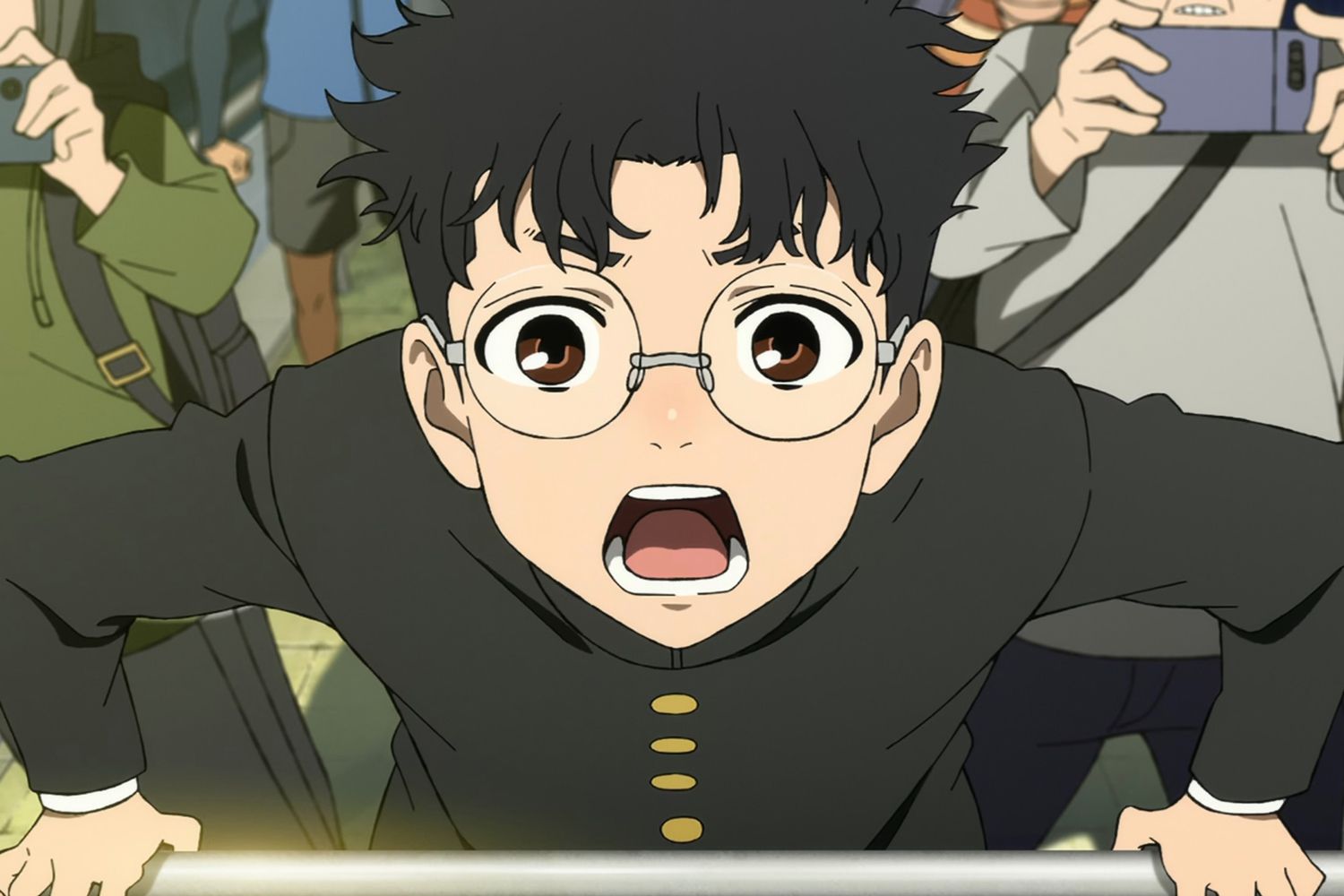
This is the single most important category for family suitability: Dandadan includes sexual references and scenes where personal boundaries are threatened, especially early. You do not need explicit nudity for a show to be inappropriate for kids; a suggestive premise, coercive framing, or uncomfortable “played for tension” moments can be more harmful than brief fanservice.
Reason 3: Sexual humor and innuendo are part of the texture. The series uses crude jokes, flirt tension, and occasional shock-value sexual references as part of its comedy toolkit. Teens can contextualize that more easily, especially if your household already discusses boundaries and consent. Younger children may not understand what is happening, or they may absorb the tone as normal.
Reason 4: Some scenes are uncomfortable even for adults. Without going into graphic detail, there are moments that many viewers describe as disturbing because they involve predatory intent or implied assault. Even if the series condemns the behavior within the narrative, the imagery and framing can still be distressing. This is precisely why “it’s animated” should never be treated as “it’s for kids.”
If you are deciding for a 13–14-year-old, a practical solution is adult preview. Watch the first one to three episodes alone first. If you are not comfortable explaining what you just saw, your child is not ready. And if you do allow viewing, co-watch early episodes so you can immediately address boundary themes, body autonomy, and the difference between “a scene is intense” and “a scene is acceptable behavior.”
Intense Reason 5: Profanity, Crude Comedy, and Body-Horror Gags
Even families who are fine with action often underestimate how much language and crude humor shape a show’s kid-friendliness. Dandadan’s comedy can be sharp and endearing, but it is also frequently rude, chaotic, and intentionally uncomfortable. It uses embarrassment humor, gross-out beats, and transformation comedy that can border on body horror.
Reason 5: The show’s humor is not “kid gross,” it is teen gross. A kids’ comedy might lean on slapstick or mild bathroom jokes. Dandadan’s humor can feel more like internet-age chaos: crude insults, sexualized jokes, and shock reactions that assume the viewer understands teen social dynamics. This can be funny for older teens who already live in that media environment. For younger kids, it can be confusing or imitate-worthy.
It is also worth noting that anime profanity can vary by dub and subtitles. Some versions soften language; others lean into it for natural dialogue. Either way, the spirit remains the same: Dandadan is not trying to model polite speech. It is trying to sound like stressed teenagers reacting to absurd paranormal danger.
If your household has strict rules around profanity or disrespectful talk, Dandadan will require either postponement or co-watching with clear expectations. Many parents are surprised by how quickly kids repeat “funny” lines without grasping context. With Dandadan, that risk is higher than with gentler supernatural comedies.
Intense Reason 6: Frightening Imagery, Jump Scares, and Sleep Disruption
A key reason Dandadan is better for teens is that it is genuinely frightening at times, even when it is also funny. Younger kids often cannot separate “cartoon visuals” from “emotional experience.” If a creature design is grotesque, if a scene is loud and sudden, or if a character is trapped with no apparent escape, the child’s nervous system responds first and rationalizes later.
Reason 6: It uses horror techniques, not just horror aesthetics. That means sudden reveals, distorted faces, creepy voice patterns, and uncomfortable pursuit sequences. The show likes to make you laugh, then punch you with dread, then laugh again. Teens often love that roller coaster. Younger kids often do not.
You should also consider sensory load. The series can be visually busy and intensely edited. Some viewers find that kind of presentation exhilarating; others find it overstimulating. For children with anxiety, sensory sensitivity, or a history of nightmares, Dandadan can be a poor fit even if they normally like anime.
A practical household rule: if your child avoids horror movies, jump-scare games, or scary YouTube compilations, do not treat Dandadan as a casual watch. For teens, the fear can be the fun. For kids, the fear can linger in ways that affect sleep, mood, and school focus.
Intense Reason 7: Mature Themes Under the Comedy, Including Identity and Consent Literacy
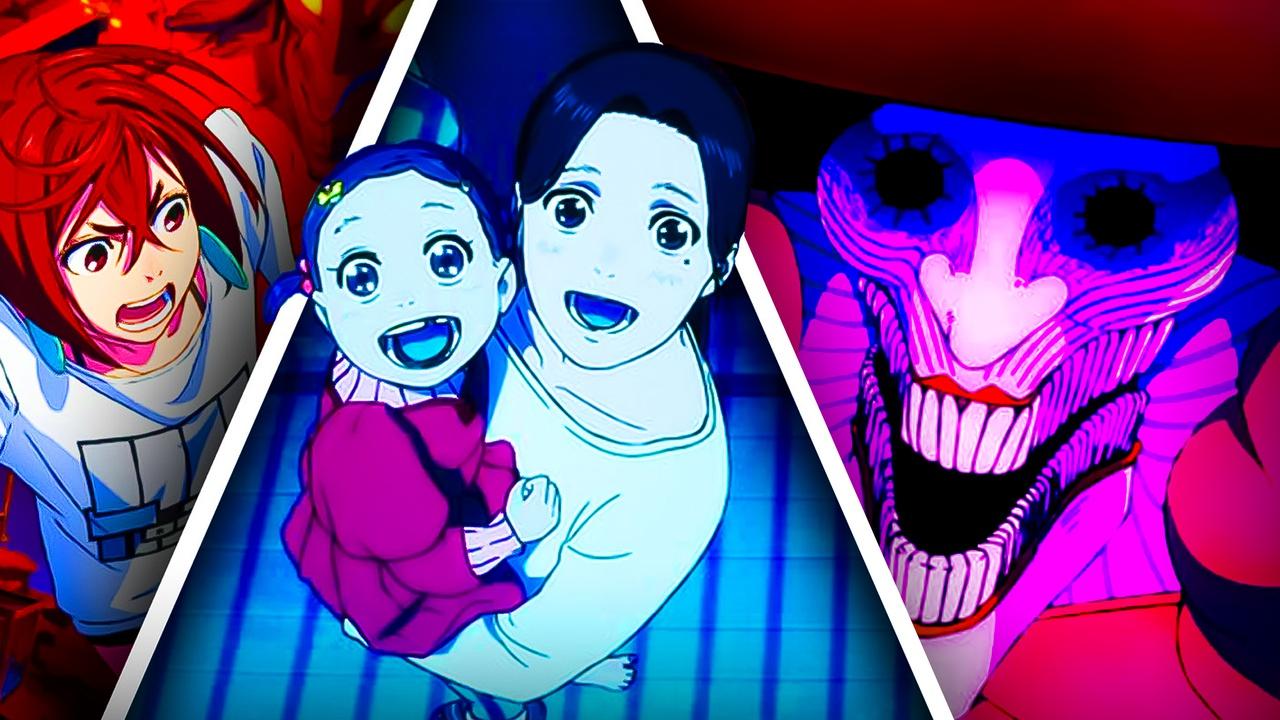
One of Dandadan’s strengths is that it is not shallow. Under the aliens and yokai chaos, it explores loneliness, bullying, shame, social status, body insecurity, and the awkwardness of adolescence. These themes are compelling, but they also assume a baseline of teen emotional context.
Reason 7: Younger kids may misread what the show is saying. Teen viewers can usually interpret sarcasm, recognize when a character is masking fear with bravado, and understand why embarrassment can feel catastrophic at that age. Children often cannot. They may focus on surface-level chaos and miss the moral framing. That can be harmless for simple stories, but Dandadan’s messier themes benefit from teen-level interpretation.
The series also demands consent literacy. When a show includes predatory threats or coercive framing, the viewer needs enough maturity to label behavior correctly: “This is wrong,” “This is a threat,” “This is not romance,” “This is not a joke in real life.” Teens are more capable of that, especially with supportive adults. Children are more likely to be confused or internalize distorted cues.
If you allow younger teens to watch, do not be afraid to talk. A short post-episode check-in can do a lot: “What did you think was happening there?” “Did anything make you uncomfortable?” “What should the character have done differently?” This is exactly where co-watching becomes protective rather than restrictive.
Intense Reason 8: Genre Whiplash Is a Feature, and Kids Often Struggle With It
Dandadan is famous for genre blending: supernatural action, sci-fi weirdness, romantic comedy, and horror all in one. For adult fans, this is the magic. For kids, it can be confusing.
Reason 8: The show changes emotional rules mid-scene. A child might assume “this is funny, so it’s safe,” then suddenly the scene becomes threatening. Or they might assume “this is scary, so it’s serious,” then the show cracks a crude joke. Teens are better equipped to understand that the series is intentionally chaotic and that tone shifts are part of the storytelling style.
Genre whiplash also affects value comprehension. In a kids’ story, values are usually explicit: good vs evil, clear lessons, consistent consequences. Dandadan is more layered. Characters behave irrationally, say embarrassing things, panic, overreact, and then show real courage. That realism is part of why teens love it, but it is also why kids might imitate the loudest behavior without absorbing the deeper message.
If you are choosing between “anime that a kid will probably enjoy safely” and “anime that a teen will probably enjoy deeply,” Dandadan sits firmly in the second category. It rewards viewers who can handle contradiction: comedy plus fear, attraction plus embarrassment, friendship plus jealousy, sincerity plus absurdity.
Intense Reason 9 and 10: Social Context, Relationship Tension, and Why It Plays Better for Teens
Finally, two of Dandadan’s biggest hooks are relationship tension and teen social dynamics, and those elements are simply not designed for children.
Reason 9: The show’s emotional core is teen chemistry. The banter, awkward crush energy, jealousy beats, and “do they like each other?” moments are written for viewers who understand teen social stakes. Kids may find it boring, confusing, or model the teasing without understanding boundaries. Teens, on the other hand, often find that the relationship writing makes the action meaningful rather than random.
Reason 10: It assumes exposure to mature internet culture. Dandadan’s pacing, humor, and shock beats resemble the rhythm of modern meme culture and online storytelling: fast escalation, sudden tonal pivots, and comedic discomfort. That cultural fluency tends to arrive in mid-teens. For kids, it can be too much, too fast, and too weird.
If you want to make a decision with minimal time, here is a high-signal approach: preview the first episode yourself, then skim a few early manga chapters on ComicK to see whether the tone stabilizes in a way your child can handle. If the early content makes you hesitate, postponing until later teen years is usually the safest call.
Parent Decision Toolkit: How to Watch Responsibly If You Allow It
If your teen is asking to watch Dandadan, forbidding it without explanation can backfire. A better approach is a structured allowance that protects your household values and your teen’s comfort.
- Set an age floor. A practical baseline is 15+, with younger teens only under co-watching.
- Preview early episodes. The first 1–3 episodes are usually enough to identify the show’s boundaries.
- Co-watch the first session. Treat it like a tone check. If you cannot comfortably discuss what happened, pause the series.
- Use skip permission. Give your teen explicit permission to skip scenes that feel uncomfortable and to tell you why.
- Talk about consent and boundaries. Keep it short and concrete: “Threats are not romance,” “Humiliation is not love,” “Comedy does not make harm acceptable.”
- Limit late-night viewing. Horror-adjacent shows increase the risk of sleep disruption.
- Match the teen’s temperament. A fearless teen who enjoys horror may be fine. An anxious teen may not be, even at 16.
- Check the version. Dub and subtitles can differ in profanity intensity.
- Pair with palate cleansers. If your teen binges it, balance with lighter series to avoid emotional saturation.
- Use reading as a safety tool. Manga skimming can be easier to monitor than video. Many families find it helpful to review key scenes in the source via ComicK before watching the animated version.
This method respects a teen’s autonomy while keeping adults involved where it matters: context, boundaries, and emotional safety.
FAQ
1) How many episodes does Dandadan have right now?
As of January 2026, the Dandadan anime has 24 episodes across two 12-episode seasons.
2) Is Dandadan for kids under 13?
Generally, no. Its violence, horror elements, and sexual content are better suited to teens.
3) What age is Dandadan most appropriate for?
For most households, 15+ is the safest recommendation, with 13–14 only under adult preview and co-watching.
4) Is there nudity in Dandadan?
There can be partial nudity and sexualized situations, and it is not framed like a children’s show.
5) Is Dandadan very scary?
It can be. It includes horror imagery, intense threats, and occasional jump-scare energy.
6) Is the violence graphic?
It is often stylized, but the intensity and threat level can still be too much for kids.
7) Does Dandadan have profanity?
Yes, it includes strong language and crude humor, especially in high-stress scenes.
8) Can I watch it with my teen?
Yes. Co-watching early episodes is one of the best ways to judge comfort and discuss boundaries.
9) Is the manga more explicit than the anime?
Many families find the manga at least as intense, sometimes more direct in tone. Skimming chapters on ComicK can help you preview content.
10) If my child loves shonen, will they automatically be fine?
Not necessarily. Dandadan is more intense and horror-leaning than many standard shonen series aimed at younger audiences.
Conclusion
Is Dandadan for kids? With 24 episodes available as of January 2026, it is easy to sample, but the content profile still points to one conclusion: it’s better for teens than for children. Between frightening supernatural imagery, violence, crude humor, sexual references, and uncomfortable boundary-threat situations, Dandadan demands teen-level media literacy to watch responsibly and comfortably.
If you want the safest path, treat Dandadan as a 15+ series, preview the early episodes yourself, and consider a quick manga skim on ComicK to identify triggers before you commit to the full anime run. That approach keeps the decision grounded in what actually appears on-screen, not in assumptions about animation being “for kids.”
You may also like:
Where Can I Read The Beginning After The End? 9 Best Legit Sites You’ll Love
How does Dawn of the Dragon end? 5 Shocking Truths That Will Break Your Heart
Is Kaiju No. 8 Better Than Dandadan? 11 Powerful Points That Make One Clearly Win

Jessica is a content editor at ComicK, with experience tracking and curating information from a wide range of Manga, Manhwa, and Manhua sources. Her editorial work focuses on objectivity, verifiable information, and meeting the needs of readers seeking reliable insights into the world of comics.