
The main character in JJK (Jujutsu Kaisen) is Yuji Itadori. He is the story’s central protagonist, the character the series is fundamentally built around, from Sukuna’s fingers to the moral question of what a “proper death” means. That said, JJK is written like an ensemble, so major arcs frequently spotlight other leads (Gojo, Megumi, Yuta, and more), which is why many fans debate “who feels like the main character” at different points.
If you’re reading or re-reading Jujutsu Kaisen and want the cleanest “protagonist answer” plus a deeper breakdown of the cast hierarchy, this guide is designed for you, optimized for fast clarity and full context. You can also follow along with chapters on ComicK to compare how perspective shifts from arc to arc.
Who Is the Main Character in JJK? The short answer
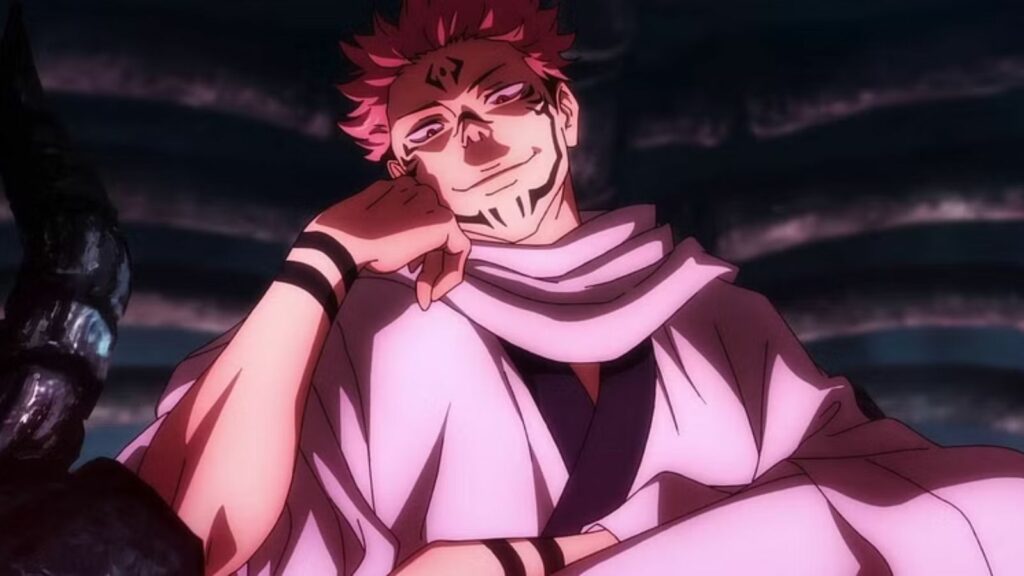
If someone asks “Who is the main character in JJK?” the most accurate, unambiguous answer is:
Yuji Itadori is the main character of Jujutsu Kaisen.
He is introduced as the entry point into the jujutsu world, the narrative repeatedly returns to his choices and consequences, and the story’s defining conflict is literally housed inside him: Ryomen Sukuna.
However, JJK’s storytelling style often “zooms out” from Yuji to spotlight other characters for extended stretches. That doesn’t remove Yuji as protagonist, it just means JJK is structured more like a modern ensemble drama than a traditional single-hero shonen.
Why people argue about it
This debate happens for three predictable reasons:
A) Gojo dominates attention and marketing
Gojo is the most recognizable character globally. He steals scenes, defines power scaling, and headlines major plot shifts. Many viewers who enter JJK through anime clips, edits, and memes can easily mistake the most iconic character for the main character.
B) JJK has long stretches without Yuji centered
There are arcs where Yuji is present but not the loudest narrative driver, and arcs where he’s absent from the “spotlight” for a while. In weekly reading, that effect is amplified: month-to-month, it can feel like the story has “moved on.”
C) JJK treats perspective like a camera, not a leash
Some series chain the plot to the protagonist’s POV. JJK does not. It uses a rotating camera, sometimes following Yuji, sometimes following Megumi, sometimes following Gojo, sometimes following antagonists, depending on what best builds tension.
This is why the correct answer can be true while still “feeling” debatable to fans.
What “main character” actually means in JJK
To settle the question cleanly, it helps to separate a few terms:
Protagonist
The primary character whose journey anchors the narrative’s moral and thematic spine. In JJK, that is Yuji Itadori.
Main cast/ensemble leads
Characters who can carry entire arcs with independent stakes. JJK has many: Megumi, Nobara, Gojo, Maki, Yuta, and others.
Most popular character
Often Gojo. Popularity is not the same as protagonist status.
Character with the most plot leverage
Sometimes, Sukuna or Gojo. Plot leverage changes across arcs; protagonist status usually doesn’t.
In a tightly protagonist-led series, these categories overlap. In Jujutsu Kaisen, they frequently diverge.
Yuji Itadori: the protagonist by design
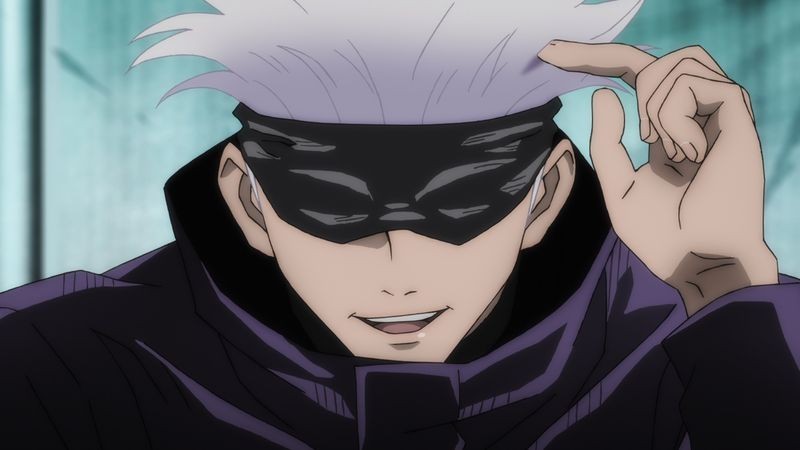
Let’s look at why Yuji is not just “a lead,” but the main character.
The story begins with Yuji’s choice
JJK doesn’t start with the jujutsu world. It starts with a normal(ish) teen, physically gifted, emotionally straightforward—who becomes entangled with curses because of one decision: consuming Sukuna’s finger.
That choice is narrative DNA. It establishes:
- The central premise (human host + ancient calamity)
- The story’s moral argument (value of life vs cost of power)
- The ongoing dilemma (should Yuji be allowed to live?)
Yuji’s goal is the thematic thesis
Yuji’s early motivation, rooted in his grandfather’s final words, centers on giving people a “proper death” and not dying alone, not dying meaninglessly. That theme becomes JJK’s engine: death as consequence, death as meaning, death as responsibility.
Even when the plot shifts away from him, it tends to return to the question: what does it mean to carry death on your back and still choose to act? That’s Yuji’s story function.
Sukuna makes Yuji structurally central
Sukuna is not a side villain. He is foundational. Because Sukuna is housed in Yuji (at least through the series’ major structure), the narrative can never truly “leave” Yuji behind without also reshaping the entire premise.
In other words:
- If you remove Gojo, JJK is still JJK (though massively altered).
- If you remove Megumi, JJK is still JJK (though massively altered).
- If you remove Yuji, the premise collapses into a different story.
That is protagonist-level centrality.
Yuji is the “moral center,” not the “power fantasy.”
Many shonen leads become the strongest and solve problems by scaling up. Yuji is written differently. His role often emphasizes:
- Empathy under pressure
- Anger that doesn’t become cruelty
- Responsibility without certainty
- Action even when victory is impossible
That makes him less “flashy” than Gojo, but more structurally essential to what JJK is trying to say.
The “deuteragonists”: Megumi and Nobara’s role
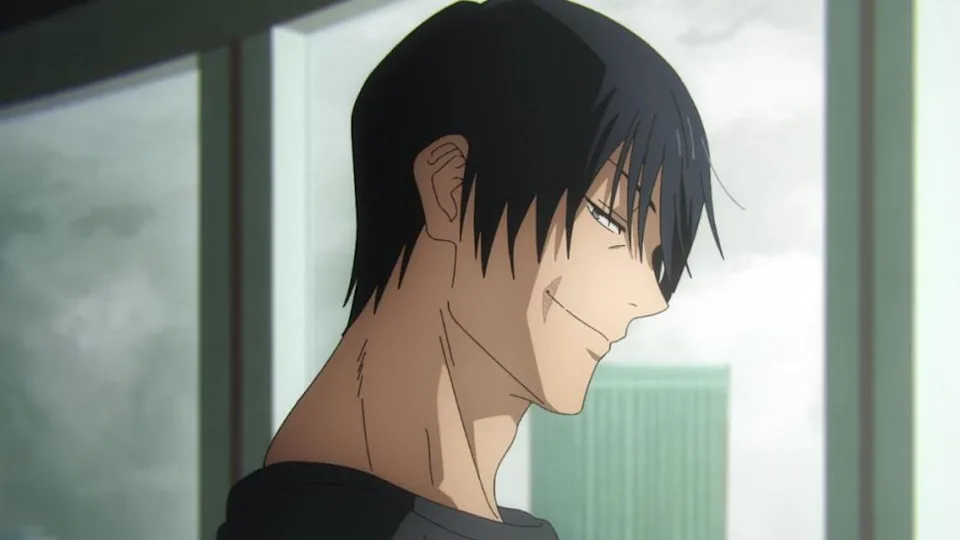
A lot of fans feel JJK has “three mains” early on. That impression is valid in terms of screen time and team structure.
Megumi Fushiguro: the parallel lead
Megumi is not “the main character,” but he is absolutely a core narrative pillar—often functioning as a deuteragonist (a second-most-important protagonist figure).
Why Megumi feels like a main character:
- He has a deep personal philosophy that contrasts Yuji’s.
- His lineage and technique connect him to major power structures.
- The story frequently uses him to explore the jujutsu world’s “system.”
Yuji is the heart. Megumi is the lens into the machine.
Nobara Kugisaki: the third pillar (and why she matters)
Nobara’s early role balances the trio: grounded, sharp, emotionally direct, and unwilling to be reduced to stereotypes.
Why she feels like a “main” early on:
- She has equal narrative presence in the trio format.
- She embodies a theme JJK values: living on your own terms.
- She provides tonal contrast that prevents the story from becoming purely grim.
Even in a series that later expands its ensemble, Nobara’s impact on the trio dynamic is a major reason early arcs read like a classic “three main characters” structure.
Satoru Gojo: the face of the franchise, not the protagonist
Now the key clarification most readers want:
Gojo is not the main character of JJK.
Gojo is the most iconic character, a top-tier narrative catalyst, and arguably the series’ biggest “gravity well.” But protagonist status isn’t about being the strongest, the coolest, or the most marketed.
So what is Gojo, structurally?
Gojo is the “unstoppable force” the story must write around
If Gojo can solve a problem easily, tension dies. So JJK’s plot architecture repeatedly answers one question:
How do you tell a story in a world where Gojo exists?
That’s why Gojo is used in bursts:
- He appears to establish stakes and scale.
- He vanishes or is constrained, so the world remains dangerous.
- His presence reshapes the entire conflict map.
6.2 Gojo’s role is to define the era and its failure
Gojo’s ideology challenges the rotten structure of jujutsu society. He wants to cultivate strong allies and change the system from within. His storyline is enormous and vital but it’s not the central “coming-of-age/moral journey” thread that defines the protagonist slot.
Why Gojo feels like the main character anyway
Because in many arcs:
- Gojo drives the biggest turning points.
- Gojo’s fights are “event fights.”
- Gojo’s charisma makes scenes feel centered on him.
But the spotlight is not the same as the authorship of the story’s core question—and JJK’s core question returns to Yuji’s burden.
Yuta Okkotsu: main character of JJK 0, major lead in JJK
Another common point of confusion comes from Jujutsu Kaisen 0.
In JJK 0, Yuta is the main character
If you’re asking specifically about the prequel story (often adapted as the film), then:
- Yuta Okkotsu is the main character of JJK 0.
That’s correct and clean.
In the main JJK series, Yuta is an ensemble lead
In the broader series, Yuta becomes:
- A heavy-hitter
- A strategic leader figure
- A character who can carry plot for long segments
But he is not the central protagonist of “JJK proper.” He is a major lead within the ensemble.
Why JJK feels like multiple “main characters”
JJK is written with a modern action-drama toolkit:
Rotating POV (point of view)
The story uses perspective shifts to:
- Build suspense
- Reveal information strategically
- Expand the world beyond one character’s knowledge
That approach can make “main character” feel fluid.
Arc-based spotlight
Some series keep the protagonist centered in every arc. JJK often assigns arcs to:
- A character’s ideology (Gojo vs the system)
- A character’s personal stakes (Megumi’s identity and duty)
- A character’s transformation (Maki’s progression)
- A character’s responsibility (Yuji’s burden)
So the “who is the main character?” question becomes a perception problem: your answer might change depending on which arc you just finished.
A cast designed to compete for attention
Gege Akutami wrote many characters with:
- Strong visual identity
- Clear philosophies
- High-stakes personal conflicts
That’s intentional. It makes the world feel alive—and it makes protagonist centrality feel less obvious if you equate “main” with “most exciting.”
POV, structure, and arc spotlight (anime vs manga perception)
How you consume JJK affects who you feel is the “main character.”
If you’re anime-first:
The anime emphasizes the trio early, with Yuji as the entry point and consistent emotional anchor. Many anime-only viewers clearly perceive Yuji as the protagonist.
If you’re manga-weekly:
Weekly serialization can exaggerate:
- Long spotlight arcs on non-Yuji characters
- Long stretches of strategy, politics, or side battles
- The sense that “the story moved away”
This is why reading on a platform like ComicK (chapter-to-chapter) can help you see the structure more clearly than memory alone: you can track POV shifts and understand that the story is broad, not unfocused.
Character focus by major story phases (no spoilers, just structure)
Without diving into twist-specific spoilers, you can think of JJK’s structure like this:
Phase 1: “Entry and Thesis”
- Yuji is the entry point.
- The world is introduced through his eyes.
- The moral question of death and responsibility is established.
Phase 2: “System vs People”
- The jujutsu world’s institutions become more prominent.
- Gojo’s ideology and the higher-ups’ rigidity matter more.
- Ensemble focus increases.
Phase 3: “Consequences and Escalation”
- The story expands its battlefield.
- Many characters carry major sequences.
- Yuji’s role becomes heavier, often less “center-stage charismatic,” but more thematically central.
In every phase, Yuji remains the protagonist—even when he is not the loudest presence on the page.
Thematic core: whose story is JJK really telling?
When you strip away spectacle, the cleanest way to identify the protagonist is to ask:
Who carries the series’ central moral problem?
In JJK, that is Yuji. The story repeatedly returns to questions that only make full sense through him:
- What do you do when saving people costs lives anyway?
- How do you keep choosing humanity in a world that rewards brutality?
- What is a “good death” in a system built on cursed energy and exploitation?
- How much guilt can one person carry and still move forward?
Other characters are vital. Some arcs are practically “their arcs.” But the series’ emotional thesis is anchored in Yuji’s burden.
ComicK reading tips for tracking POV shifts (and reducing confusion)
If you’re reading JJK on ComicK and want to keep “main character clarity” even during ensemble-heavy arcs:
- Track the story’s “core dilemma,” not just fight focus. The protagonist is usually the one the story returns to when it asks moral questions.
- Note the “camera handoff” chapters. JJK intentionally hands perspective from one group to another, this is a style choice, not a protagonist swap.
- Separate “marketing prominence” from narrative function. Gojo is marketed like a central figure because he’s iconic, but Yuji anchors the premise.
- Re-read arc openings and closings. JJK often uses beginnings and endings to re-center the story’s thesis, Yuji tends to be essential there.
FAQ – Who is the main character in JJK?
1) Who is the main character in JJK?
Yuji Itadori is the main character (protagonist) of Jujutsu Kaisen.
2) Is Gojo the main character of JJK?
No. Satoru Gojo is not the main character—he’s a major central figure and arguably the most iconic, but Yuji is the protagonist.
3) Why does Gojo feel like the main character sometimes?
Because he dominates power scaling, drives major turning points, and has huge spotlight moments. JJK also uses ensemble structure, so arcs can revolve around Gojo.
4) Is Megumi Fushiguro a main character?
Megumi is a core lead (often treated like a deuteragonist), but he is not the primary protagonist over Yuji.
5) Is Nobara a main character?
In the early trio structure, Nobara is a main cast pillar and key lead. JJK later expands into a broader ensemble.
6) Who is the main character of JJK 0?
Yuta Okkotsu is the main character of Jujutsu Kaisen 0.
7) Does JJK have multiple main characters?
It has one primary protagonist (Yuji), but it’s written as an ensemble, so multiple characters can carry arcs like “main characters.”
8) If Yuji is the protagonist, why isn’t he always the focus?
JJK uses rotating POV and arc spotlights to build a larger world. That doesn’t change the protagonist; it changes the narrative camera.
9) Who is the “second main character” in JJK?
Many fans consider Megumi the closest thing to a second main character due to his narrative importance and recurring centrality.
10) Where can I read Jujutsu Kaisen while tracking these POV shifts?
You can read chapter-by-chapter on ComicK, which makes it easier to notice how the story rotates focus while still anchoring its core around Yuji.
So, who is the main character in JJK? It’s Yuji Itadori, decisively. The confusion comes from JJK’s deliberate ensemble design, where the spotlight rotates to other characters, especially Gojo, Megumi, and Yuta, without replacing Yuji as the narrative core.
You may also like:
How Old Is Sung Jinwoo? Solo Leveling Protagonist Age Explained
How Many Chapters Is Solo Leveling?
What Country Is Solo Leveling Set In? The Canon Setting Explained

Jessica is a content editor at ComicK, with experience tracking and curating information from a wide range of Manga, Manhwa, and Manhua sources. Her editorial work focuses on objectivity, verifiable information, and meeting the needs of readers seeking reliable insights into the world of comics.