
Yes, Dandadan consistently frames her feelings as a real, growing crush through protect-first instincts, jealousy tells, and quiet tenderness that goes far beyond “just friends.” With 24 anime episodes released so far, the slow-burn romance is already readable from on-screen patterns even without an official confession.
To keep this breakdown reliable, we track repeatable relationship signals across key arcs, compare how anime pacing affects romantic subtext, and sanity-check the most common fan claims the same way experienced readers do when cross-referencing scenes on platforms like ComicK.
Next, we’ll unpack the 6 brutal truths that explain why the ship feels obvious, why it’s still unofficial, and what moments prove the relationship is canon-coded.
Is Momo In Love With Okarun? The Most Honest Canon Read
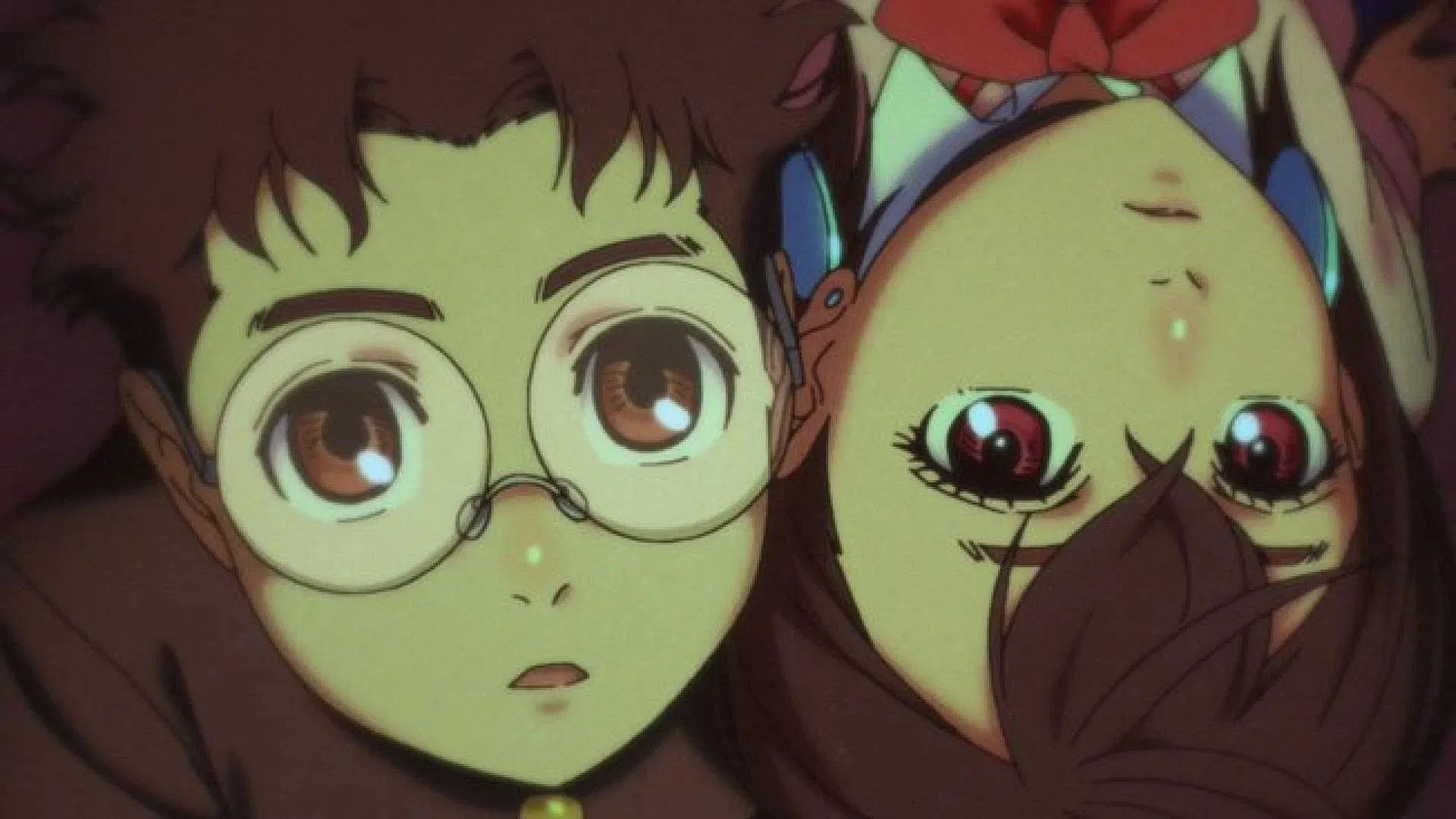
Is Momo in love with Okarun? The most honest, text-driven answer is that she is falling in love with him, and the story signals it consistently through behavior, not confession.
Dandadan does not treat their feelings as a vague fan interpretation. It uses repeatable romance language that shows up across arcs, even when the tone flips from horror to slapstick to high-stakes battles.
Momo’s “love tells” are mainly action-based. She moves first when Okarun is threatened. She stays close when things get terrifying. She reacts to his pain with an intensity that reads personal, not polite.
Even her irritation often feels like proximity: she is bothered because he matters, not because he is merely annoying. The series also frames her as emotionally perceptive. She notices shifts in mood quickly, and she shows a protectiveness that does not extend equally to everyone.
It is also important that Momo’s feelings do not look like a clean rom-com crush. They look like a slow-burn bond built under extreme pressure. In this kind of story, “relationship milestones” become trust, coordination, sacrifice, and loyalty. That is the arena where Momo repeatedly chooses Okarun. Over time, that choice becomes the clearest proof.
Okarun’s side reinforces the reading. He is openly flustered around her, but he is also deeply respectful and protective. Their chemistry is not one scene. It is accumulation: repeated emotional priority, repeated mutual reliance, repeated jealousy sparks, and repeated tenderness interrupted by comedy. If you want confirmation, Dandadan’s strategy is simple: it makes denial harder every season.
Brutal Truth 1: Her Feelings Are Real, But Denial Is Part Of Her Armor
Momo is not written as someone who calmly narrates her emotions. She is written as someone who deflects. That matters because a lot of fans misread her sharpness as “she does not like him,” when it can function as the opposite: she likes him enough that it makes her uncomfortable.
In romance writing, especially in fast-paced action rom-coms, denial is often a character shield. Momo’s default mode is confident, confrontational, and socially grounded.
Okarun, especially early on, is anxious, bullied, and awkward. Loving him forces Momo to confront a vulnerability she cannot control, and she hates that feeling. So the series lets her convert tenderness into sarcasm, worry into anger, and affection into teasing. It is emotionally honest for her character type.
You can also see how her denial shifts depending on context. In public or around others, she is more likely to posture or mock. Under fear, or in moments of genuine danger, she becomes direct.
The gap between what she says and what she does is the romance engine. Dandadan wants you watching choices, not dialogue.
Another layer is pride. Momo is the kind of character who wants to be the one in control. Okarun disrupts that. He also earns her respect in ways that do not fit her first impressions. Respect becomes attachment. Attachment becomes jealousy. Jealousy becomes confusion. Confusion becomes denial. That is the loop.
If you are waiting for Momo to act like a traditional love interest, you will feel whiplash. Her feelings show up as contradiction, not clarity. That contradiction is not a flaw in writing. It is the point.
Brutal Truth 2: Okarun’s Insecurity Is The Biggest Relationship Obstacle
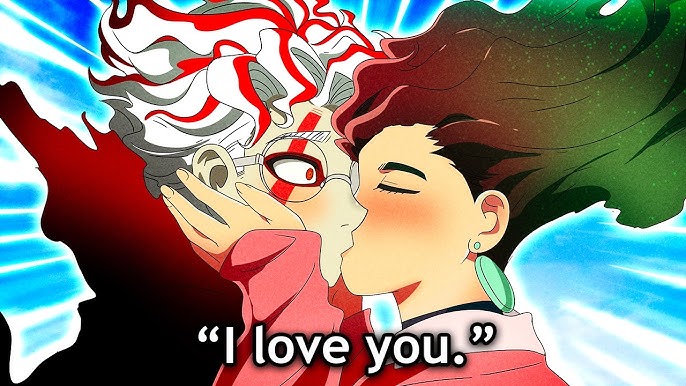
If Momo’s problem is emotional denial, Okarun’s problem is self-worth. He can feel like the relationship is obvious and still be unable to claim it, because he does not fully believe he deserves to be beside her.
Dandadan makes this visible through classic romance coding: awkwardness, blushing, overthinking, and quick retreats from emotional risk. But it is not just comedy. It is a character wound.
Okarun starts as someone who has been isolated and ridiculed. When someone like Momo takes him seriously, he does not instantly become confident. He becomes terrified of losing it. That fear makes him cautious, and caution slows romance.
There is also a “power gap” perception, even when the story is actively leveling them together. In supernatural series, characters often measure worth by usefulness in battle.
Okarun repeatedly pushes himself because he wants to be reliable for her. That is romantic, but it can turn love into performance. When the story escalates threats, his instinct is to become “good enough” before he becomes “official.”
How This Shows Up On Screen
Look for the moments where Okarun is brave physically but hesitant emotionally. He will charge into danger, but struggle to speak plainly about feelings. He will accept pain, but doubt his place. That contrast is intentional. It delays confession without making the romance feel fake.
The brutal truth is that the ship is not blocked by an external villain or a forced love triangle. It is blocked by internal psychology. Until Okarun believes he can stand next to Momo without shrinking, the story has a believable reason to keep them in slow-burn limbo.
Brutal Truth 3: Their “Dating Arc” Is Survival, Not Handholding
A lot of romance arguments happen because fans expect relationship progress to look like dates, confessions, and official labels. Dandadan’s relationship progress looks like survival intimacy.
Their milestones are not candlelit dinners. Their milestones are “you grabbed my hand when I was terrified” and “you trusted me when your life was on the line.”
This is where Dandadan’s genre mix matters. It is not a pure romance series. It is a supernatural thriller with romantic comedy DNA.
When the narrative is busy with yokai logic, alien threats, cursed objects, and escalating transformations, you cannot pause the plot every episode for emotional processing. So the story embeds romance into battle choreography and crisis decisions.
That is why their chemistry feels intense even without a confession. Crisis compresses time. A single night of paranormal terror can create emotional bonding that would take weeks in a school romance. When Momo and Okarun repeatedly experience that compressed bonding, their relationship accelerates in a way that feels earned.
It also explains why their affection can look uneven. After danger, they rarely get time to debrief. Instead, the series snaps back to comedy, school life, and the next threat. The affection remains, but it is not always verbal. It is stored in reflexes.
If you want a neat romance structure, Dandadan will frustrate you. If you accept that their romance is written through trust, teamwork, and protective instinct, the relationship becomes extremely clear. Their love story is not about dates. It is about choosing each other in chaos until they cannot pretend it is anything else.
Brutal Truth 4: Jealousy And Third Wheels Are Not Filler, They Are Evidence
Dandadan uses jealousy the way smart romantic comedies use it: not as soap opera drama, but as a diagnostic tool. Jealousy reveals priorities. It exposes what characters will not admit. It also forces emotional reactions that break through denial.
When Momo gets jealous, it does not feel like random possessiveness. It feels like a glitch in her self-image. She wants to be above it. She wants to be cool. But she cannot always be. That loss of composure is the point. The series wants you to see that Okarun occupies a space that other people do not.
Okarun’s jealousy is different. It tends to blend with insecurity. He worries he is replaceable. He worries he is not enough. That makes him sensitive to attention shifts around Momo. This is not just ship bait. It is character logic.
Third-wheel moments also function as pacing tools. They spike tension without requiring an immediate confession. They keep romance active during arcs that are plot-heavy. They also give the audience a mirror. When another character gets close, you see what Momo and Okarun value by how quickly their behavior changes.
Many fans complain about jealousy beats because they want “progress,” but those beats often are progress. They are emotional escalation. They make the unspoken more visible. They push the relationship toward a point where silence becomes unsustainable.
So, when you see those moments, do not ask “Is this filler?” Ask “What did this reveal?” Most of the time, it reveals exactly what you came here to know.
Brutal Truth 5: The Story Keeps Them Unofficial On Purpose, And That Is Strategic
Even if the romance feels obvious, Dandadan benefits from keeping Momo and Okarun not-quite-official. That is not a stall tactic. It is a structure choice that supports both the action plot and the romantic comedy tone.
Making them official too early can reduce tension. Once a couple is defined, the story has to create new obstacles to keep the relationship interesting. Dandadan already has plenty of obstacles, but many of them are external. Keeping the romance undefined lets the series generate internal friction without needing melodrama. A glance matters. A misunderstanding matters. A jealous reaction matters. These small beats keep the romance alive while the plot is busy with monsters and mysteries.
It also allows character development to lead romance rather than the other way around. Momo needs to grow into emotional honesty. Okarun needs to grow into self-assurance. If you force a confession before those arcs mature, the confession feels premature or requires them to backslide later. Dandadan avoids that by letting feelings intensify first.
There is also a tonal reason. Dandadan’s humor relies on awkwardness, near-confessions, embarrassment, and sudden deflection. If the couple becomes stable, some of that comedic electricity changes. The series is not purely a battle anime. It is also a romantic comedy that thrives on tension.
You might want a label, but the story wants a payoff. It is building toward a moment where confession is not a cute scene, but an earned consequence of everything they have survived. That is why the romance feels always active even when nothing is officially said.
Brutal Truth 6: The Medium Changes The “Feel,” So Fans Argue For A Reason
One reason discourse stays heated is that anime and manga create different emotional experiences. Anime can amplify romance through voice acting, music cues, framing, and timing. A pause, a softened line read, or a quiet soundtrack choice can make a moment feel undeniably romantic. Manga often delivers more micro-moments, extra reaction panels, and subtle facial expressions that the anime might streamline for pacing.
So which is “more accurate”? Both, in different ways. The manga often gives more texture. The anime often gives more emotional clarity in the moment. That is why some fans swear the romance is stronger in one format or the other.
This is also where reading habits come in. Many readers use platforms like ComicK to track arcs, revisit key chapters after a big episode, and keep the story moving between seasons. Used carefully, that can help you see the pattern: the romance is not built from one scene, it is built from repetition. But it also increases spoiler risk, because manga discussion can run ahead of anime-only viewers.
If you are trying to judge Momo’s feelings, a practical method is to compare “setup chapters” to “payoff episodes.” Watch the anime for big moments, then read around those moments to catch the quieter beats that reinforce them. That cross-checking often resolves the debate quickly, because it becomes hard to argue “it’s just friendship” when the same emotional priorities repeat.
Fandom disagreement is not proof the romance is unclear. It is proof the romance is written in a slow-burn style that rewards attention and punishes skimming.
Relationship Road Map Across 24 Episodes: What To Watch For Next
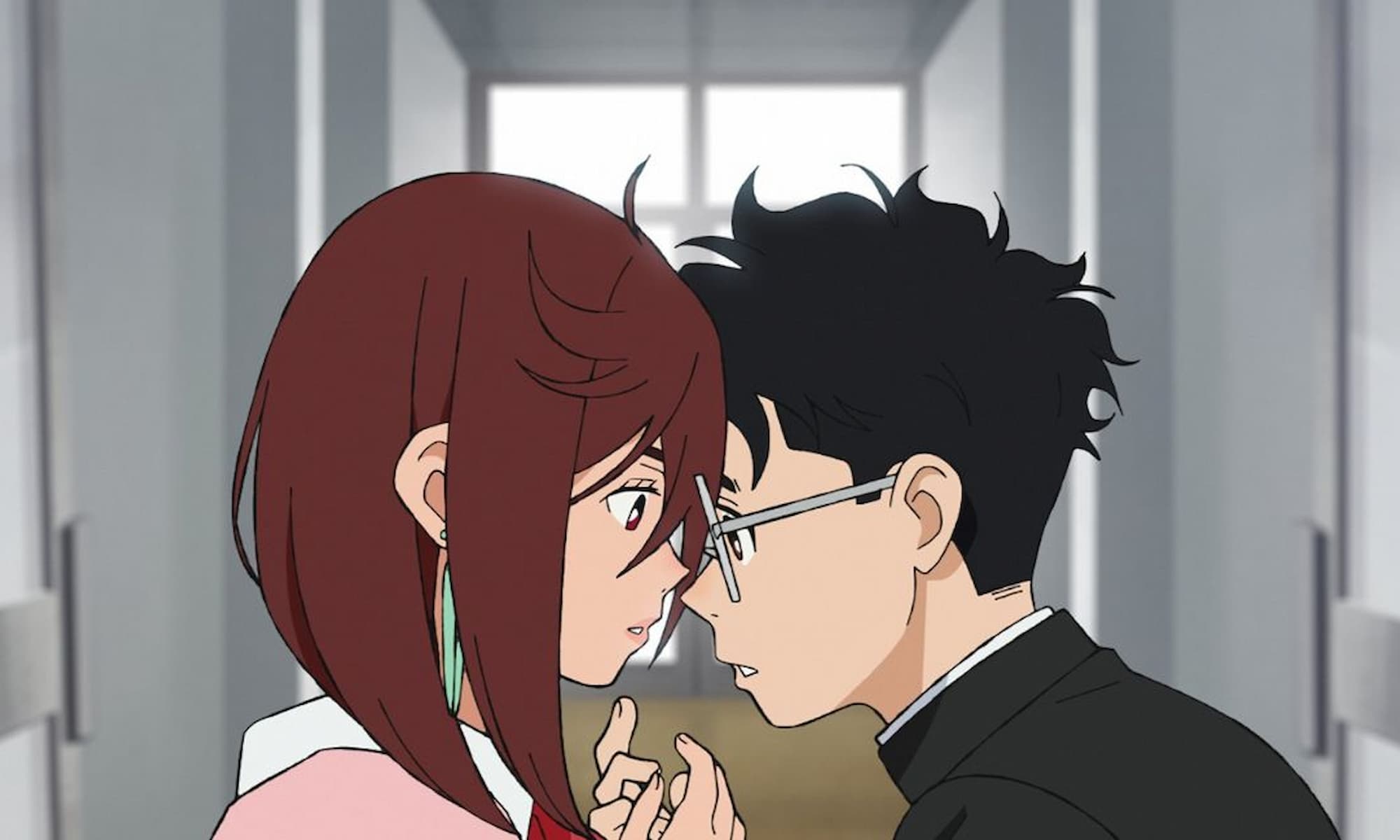
Dandadan’s first 24 episodes give you enough relationship data to make a confident call, even if the ship is not official yet. The key is watching for progression signals rather than confession signals.
In earlier episodes, romance reads like chemistry: banter, mutual fascination, protective reflexes, and the contrast between Momo’s boldness and Okarun’s sincerity. As the story escalates, romance shifts into trust. They begin to move as partners, not just allies. The more paranormal rules the show introduces, the more their teamwork becomes a language. That is why many fans describe them as couple coded even before any label appears.
Across Season 2, pressure rises, and pressure clarifies priorities. In long-running anime, this is often where slow burns become unavoidable. Jealousy spikes sharpen, soft moments become more frequent, and emotional reactions get harder to play off as jokes. Dandadan leans into that rhythm. It uses arc climaxes to force honesty, then interrupts the honesty with comedy so the story can keep moving.
If you want to follow the relationship without getting lost in discourse, keep a simple lens:
- Who does each character protect first?
- Who do they trust with fear, not just action?
- Who do they look for when things fall apart?
- What emotional reactions repeat, especially jealousy and tenderness?
If you decide to read ahead, ComicK is a common way readers keep track of arcs and chapter flow, but stay disciplined about spoilers if you are anime-only. The relationship is written to keep escalating, and the next phase is built to demand more emotional clarity, not less.
FAQ
- Is Momo in love with Okarun?
Yes. The story strongly frames her feelings as romantic and growing. - How many episodes of Dandadan are out right now?
24 episodes across two seasons. - Do Momo and Okarun become an official couple in the anime yet?
Not officially, but the romance is clearly progressing. - Why does Momo act rude or dismissive sometimes?
It is often emotional deflection and embarrassment, not lack of interest. - Does Okarun love Momo too?
Yes. His feelings are shown through devotion, protectiveness, and flustered sincerity. - Is the romance canon or just shipping?
It reads as canon slow-burn romance, not purely fan projection. - Is the manga more explicit about their feelings?
It often provides more small reaction moments that make the slow burn feel clearer. - Will there be more seasons of the anime?
Yes. The story structure clearly supports continuation. - How do I avoid spoilers when browsing fandom discussions?
Stick to anime-only threads, avoid theory posts, and do not open manga-heavy discussions if you are behind. - Where can I track the manga if I want to read ahead?
Many readers use ComicK to track arcs and chapters, but official sources are best for the cleanest reading experience.
Momo and Okarun are not a “maybe” romance. They are a deliberate slow burn that keeps tightening through danger, jealousy, loyalty, and emotional priority. Is Momo in love with Okarun? Yes, and the brutal truths above explain why it feels obvious while staying unresolved: she deflects, he doubts himself, the plot keeps them in survival mode, and the story is saving the label for a payoff moment that matches the stakes.
You may also like:
Is Kaiju No. 8 Better Than Dandadan? 11 Powerful Points That Make One Clearly Win
Is Dandadan for Kids? 10 Intense Reasons It’s Better for Teens
Is The Anime Dandadan Finished? 11 Powerful Signs The Story Isn’t Over

Jessica is a content editor at ComicK, with experience tracking and curating information from a wide range of Manga, Manhwa, and Manhua sources. Her editorial work focuses on objectivity, verifiable information, and meeting the needs of readers seeking reliable insights into the world of comics.