
Dandadan is usually the better pick overall, while Kaiju No 8 wins if you prioritize clean, tactical kaiju battles and a straightforward military-shonen structure.
In this comparison, I verify the episode counts, map each anime’s pacing and adaptation choices, and cross-check major arc beats with manga reading notes (including quick chapter jumps on ComicK) to keep the verdict grounded in observable details, not hype. Is Kaiju No. 8 better than Dandadan? Here are 11 powerful points that show exactly where each series wins and why one clearly comes out on top.
Is Kaiju No 8 Better Than Dandadan?
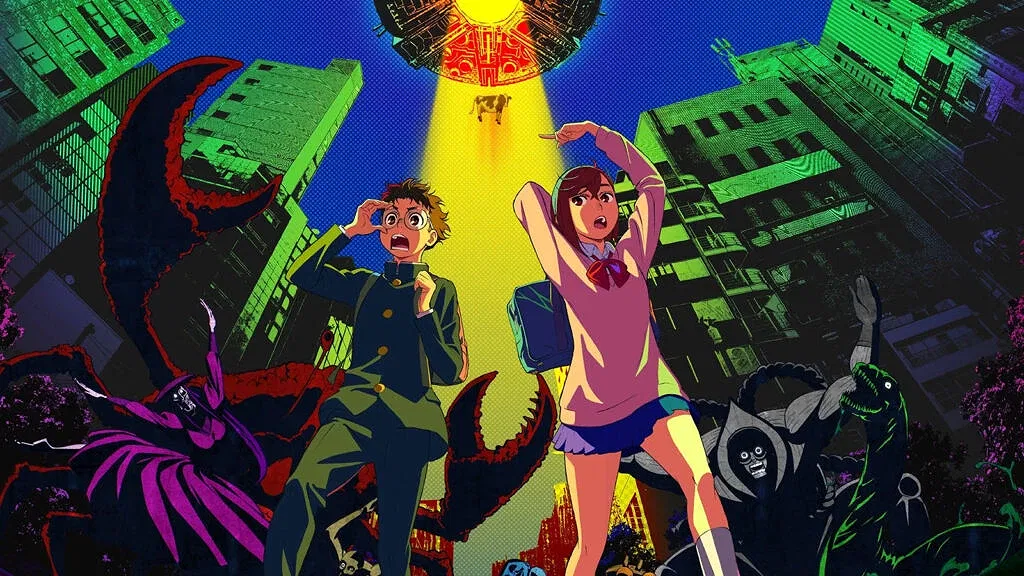
If you want a one-sentence recommendation: watch Dandadan first if you crave unpredictability and genre-bending energy; watch Kaiju No. 8 first if you want a classic underdog power fantasy with clean, tactical action.
Where Kaiju No. 8 excels is clarity. Its premise is instantly legible: a working adult dreams of joining the Defense Force, gains a dangerous kaiju power, and tries to protect people while hiding what he has become. The series leans into familiar battle shonen rhythms, training arcs, squad dynamics, rank hierarchy, and escalating “named” threats. That structure makes it extremely accessible, especially for viewers who love organized teams, military aesthetics, and a protagonist who earns respect through grit, not hype.
Dandadan, by contrast, is chaos with intent. It mixes aliens, yokai, urban legends, absurd comedy, jump-scare horror, and surprisingly tender coming-of-age beats. The pacing feels volatile because the genre keeps changing, but that is the point: it is built to keep you off-balance, then hit you with emotional sincerity when you least expect it. If Kaiju No. 8 is a clean highway, Dandadan is a neon-lit alley that keeps revealing doors you did not know were there.
So who “clearly” wins overall? Dandadan wins more of the categories that decide whether a series feels “special” after the hype fades: originality, comedic timing, romantic tension, tonal agility, and the sense that anything can happen. Kaiju No. 8 still wins important categories, particularly accessibility, tactical action readability, and a steadier dramatic tone. But on the full 11-point scoreboard, Dandadan takes the lead.
Is Kaiju No. 8 Better Than Dandadan? The Verdict by Viewer Type
Is Kaiju No. 8 better than Dandadan? It depends on your viewer profile, but if you are optimizing for “best overall experience,” Dandadan is the more consistently impressive pick.
Use this quick decision map:
Choose Kaiju No. 8 if you value
- Military squad structure: ranks, protocols, disciplined teamwork, and mission-based arcs
- Readable action: clear goals, clean choreography, and a strong sense of tactical progression
- A mature underdog lead: an adult protagonist with regret, resilience, and second-chance drive
- Monster battle escalation: named kaiju, threat levels, weapons development, and power scaling
- Straightforward tone: serious stakes with controlled humor, fewer extreme tonal pivots
Choose Dandadan if you value
- Unpredictable storytelling: aliens one week, occult horror the next, then rom-com energy
- Chemistry and banter: character dynamics that carry scenes even without action
- Genre-blending: supernatural comedy plus sci-fi weirdness plus heartfelt vulnerability
- Creative set pieces: fights and chase sequences that feel inventive rather than formulaic
- High rewatch value: layered jokes, foreshadowing, and emotional callbacks
If you are a manga-first fan, both have strong source material. Many readers compare arcs and pacing by jumping between chapters on platforms like ComicK, especially when weighing adaptation choices like panel-to-scene translation and how much content each season covers. That said, the anime-only experience still matters, and in anime terms, Dandadan’s tone control and creative swing rate make it feel like the bigger win.
The bottom line: Kaiju No. 8 is often the safer recommendation; Dandadan is often the stronger one.
Points 1 to 3: Premise, Pacing, and Stakes
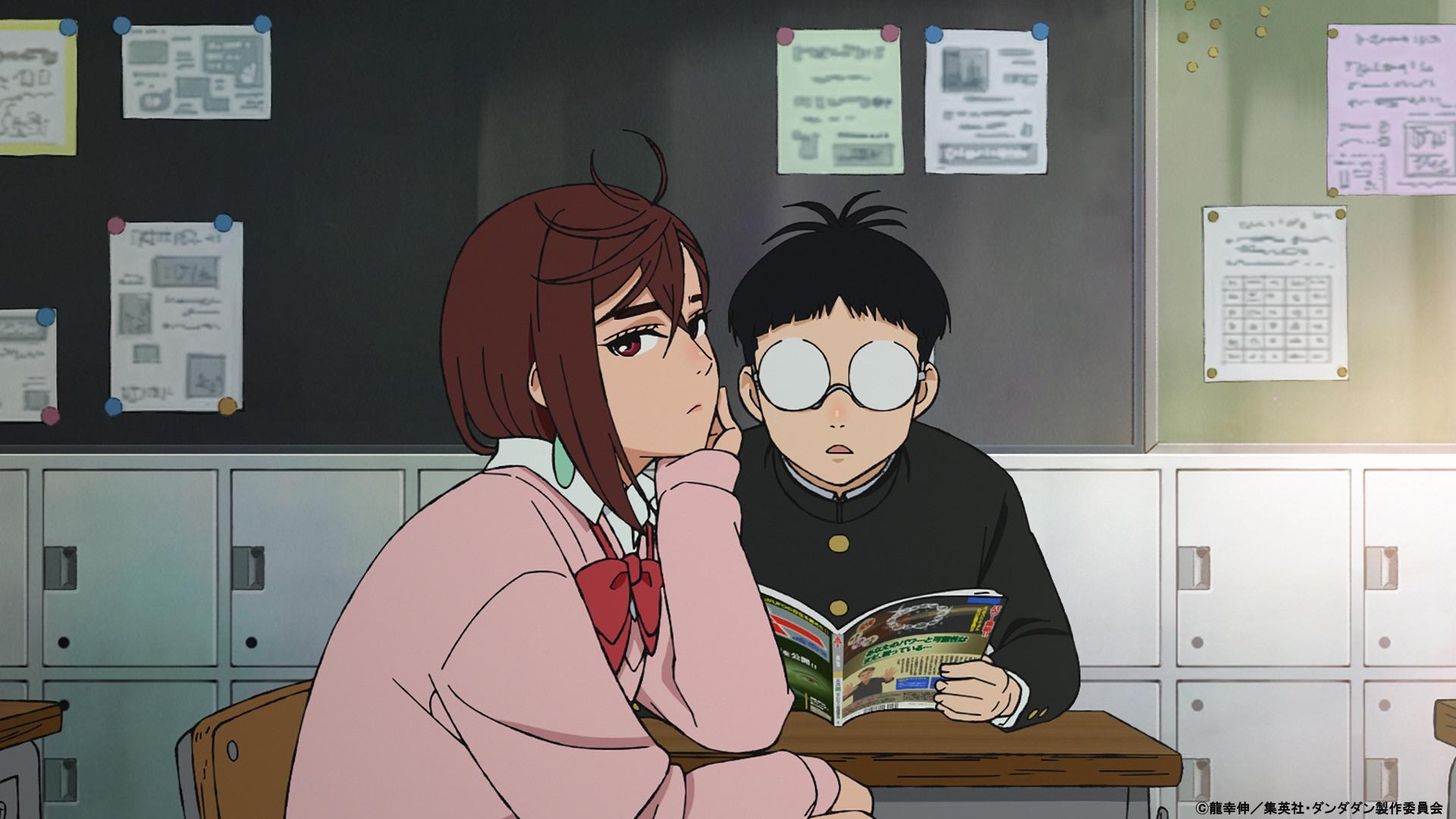
Point 1: Premise Originality (Winner: Dandadan)
Kaiju No. 8 has a strong hook, but it sits inside a familiar framework: human militaries versus giant monsters, with a protagonist who becomes what he fights. That familiarity is not a flaw. It is why the series is instantly bingeable and easy to recommend. But it does mean the surprise factor depends more on execution than concept.
Dandadan’s premise is the opposite: it is built to be unpredictable. The central idea is simple enough, two teens collide over belief, then get dragged into paranormal warfare, but the series layers in cryptids, curses, alien tech, and absurd comedy so aggressively that it rarely feels like you have “seen this already.” In terms of raw novelty, Dandadan wins.
Point 2: Pacing and Episode-to-Episode Momentum (Winner: Kaiju No. 8)
Kaiju No. 8 is more consistent in pacing. It typically establishes a mission, escalates a threat, and resolves with a clear outcome. The viewer always understands what the protagonists are trying to do and what “winning” looks like. That clarity makes the anime feel efficient.
Dandadan’s pacing can feel deliberately messy because it shifts genres midstream. Some viewers love that; others feel whiplash. If your priority is smooth narrative flow, Kaiju No. 8 wins.
Point 3: Stakes That Feel Earned (Winner: Dandadan)
Kaiju No. 8 does stakes well, but it often leans on institutional peril: exposure, demotion, containment, and large-scale destruction. Dandadan’s stakes are more personal: fear, identity, intimacy, and the vulnerability of being young while the world becomes incomprehensibly strange. When Dandadan lands an emotional beat, it often feels sharper because it comes from character chemistry, not just threat escalation.
Point 4 to 6: Characters, Chemistry, and Emotional Payoff
Point 4: Main Character Appeal (Winner: Kaiju No. 8)
Kafka Hibino is a rare thing in modern shonen anime: a working adult who missed his first shot at the dream. That alone gives Kaiju No. 8 an emotional maturity many teen-led series do not have. Kafka’s arc is about shame, perseverance, and reclaiming purpose. Even when the plot goes bombastic, his internal struggle grounds the show.
Momo and Okarun in Dandadan are compelling, but their appeal is built more on chemistry and chaos than the “second chance” gravitas Kafka carries. If you connect strongly with adult protagonists, Kaiju No. 8 wins this point.
Point 5: Supporting Cast Depth (Winner: Kaiju No. 8)
Kaiju No. 8 is structured around an organization, so the cast is designed to function as a squad. You get rivals, mentors, prodigies, specialists, commanders, and peers. That lends itself to a broad ensemble that can carry multiple arcs, from training to battlefield leadership. Characters like Reno, Kikoru, and key officers are positioned to grow in distinct lanes.
Dandadan’s supporting cast is excellent, but it is more “wildcard-driven.” The characters often enter as disruptive forces, comedic accelerants, or supernatural catalysts. That makes them memorable, but not always “structured.” For classic ensemble depth, Kaiju No. 8 wins.
Point 6: Chemistry and Relationships (Winner: Dandadan)
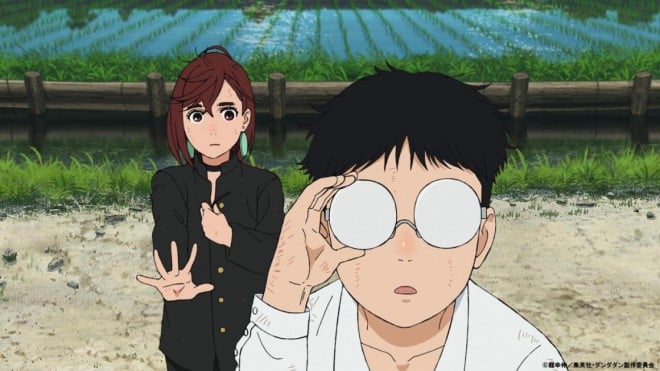
This is where Dandadan dominates. The banter is not just funny, it is character-revealing. Romantic tension feels organic because it is embedded in awkwardness, jealousy, fear, and genuine admiration. Even in action scenes, the relationships remain active, like the characters are emotionally sparring while physically fighting.
Kaiju No. 8 has strong bonds, especially around trust and duty, but it is less romance-adjacent and less flirtatiously alive. If you want character chemistry that can carry entire episodes, Dandadan wins.
Point 7 and 8: Action Design, Horror, and Adaptation Energy
Point 7: Action Readability and Fight Choreography (Winner: Kaiju No. 8)
Kaiju No. 8 shines when it treats combat like a tactical problem. The Defense Force structure creates clear roles: who distracts, who strikes, who supports, who risks themselves. The kaiju battles often feel like coordinated operations rather than random brawls. That makes the action easy to follow and satisfying for viewers who love strategy, weaponry, and battlefield hierarchy.
Dandadan’s action is more kinetic and surreal. It can be brilliant, but it is designed to feel like a fever dream at times. If you prefer clean, readable combat with objective-based progression, Kaiju No. 8 wins.
Point 8: Creativity of Set Pieces and Visual Flair (Winner: Dandadan)
Dandadan’s big advantage is imagination. It can jump from horror to slapstick to cosmic weirdness in the span of minutes, then build an action sequence that feels unlike anything else airing that season. The fights are less about military “moves” and more about cursed rules, bizarre physics, and emotional chaos turned into spectacle.
Kaiju No. 8 has excellent production value and monster design appeal, but the set pieces tend to live in a more conventional action-anime grammar. For creativity and surprise in action direction, Dandadan wins.
This split is important: Kaiju No. 8 wins for viewers who love tactical kaiju battles; Dandadan wins for viewers who want “I cannot believe they did that” sequences.
Point 9: Comedy and Tonal Control
Comedy is where your taste will decide everything. Kaiju No. 8 uses humor as relief. It breaks tension, humanizes Kafka, and lightens the militaristic environment without sabotaging the stakes. The jokes are usually situational or personality-based, and they rarely disrupt the scene’s intent. This makes the series feel stable. If you dislike mood whiplash, Kaiju No. 8 is safer.
Dandadan treats comedy as a core engine. It is not a garnish. It is how the show builds momentum, endears characters, and disarms you before it hits you with horror or sincerity. The humor can be absurd, sometimes borderline unhinged, and it often shares space with genuinely unsettling paranormal imagery. That is risky, but it is also why the series feels so alive.
So who wins? Dandadan, because it does more with tone. “Tonal control” does not mean “never changing tone.” It means changing tone without losing identity. Dandadan’s identity is precisely that unstable blend of supernatural action comedy, romantic tension, and sudden emotional honesty. When it works, it feels like a creator confidently steering chaos, not losing control.
Kaiju No. 8 still deserves credit for professionalism. It rarely misses the emotional target of a scene. But if you are measuring which series delivers more memorable comedic beats while still landing serious moments, Dandadan wins Point 9.
Point 10 and 11: Worldbuilding, Power Systems, and Long-Term Ceiling
Point 10: Worldbuilding and Power System Logic (Winner: Kaiju No. 8)
Kaiju No. 8’s worldbuilding is systematic. Threat levels, suits, weapons, compatibility, and institutional constraints create a power framework that is easy to track. That is valuable for long-running engagement because viewers can understand progress. When Kafka grows, you can feel the measurable stakes of his transformation: what it costs, what it risks, what it unlocks.
Dandadan’s world is deliberately less “systematized.” It runs on folklore logic, alien weird science, cursed rules, and narrative escalation that can feel dreamlike. That is exciting, but it is harder to “map.” If you love clear power scaling and structured lore, Kaiju No. 8 wins.
Point 11: Rewatch Value and Manga Ceiling (Winner: Dandadan)
This is where Dandadan seals the overall victory. It has the kind of layered comedy, character callbacks, and genre foreshadowing that makes rewatching rewarding. Scenes often play differently once you know how relationships evolve and how certain supernatural rules recur.
On the manga side, both series are strong. Many fans track chapters and compare arcs through reading hubs like ComicK, especially when debating pacing, cut content, and whether the anime captured the manga’s panel energy. But Dandadan’s ceiling feels higher because its premise allows more radical swings without breaking its identity. It can reinvent itself while remaining itself.
Kaiju No. 8 is excellent, but it is constrained by the military-monster framework. That framework is a strength, yet it can limit surprise over the long run. When you add up all 11 points, Dandadan wins the “overall” category most often.
The 11-Point Scoreboard: Who Wins Each Category?
- Premise Originality: Dandadan
- Pacing Consistency: Kaiju No. 8
- Stakes That Hit Emotionally: Dandadan
- Main Character Gravitas: Kaiju No. 8
- Supporting Cast Structure: Kaiju No. 8
- Chemistry and Relationships: Dandadan
- Action Readability: Kaiju No. 8
- Set Piece Creativity: Dandadan
- Comedy and Tonal Agility: Dandadan
- Power System Clarity: Kaiju No. 8
- Rewatch Value and Long-Term Ceiling: Dandadan
Final tally: Dandadan wins 7 to 4.
FAQ
1) How many episodes does Kaiju No. 8 have?
As of January 2026, it has 23 main TV episodes across two seasons, plus one special episode.
2) How many episodes does Dandadan have?
As of January 2026, it has 24 main TV episodes across two seasons.
3) Is Kaiju No. 8 better than Dandadan for action fans?
If you prefer tactical, readable monster battles, Kaiju No. 8 can be the better pick.
4) Which anime is funnier, Kaiju No. 8 or Dandadan?
Dandadan is generally funnier, with more aggressive comedy and sharper banter.
5) Which has better romance or chemistry?
Dandadan has stronger romantic tension and relationship-driven storytelling.
6) Which is easier to binge for beginners?
Kaiju No. 8 is more straightforward and structured, making it easier to binge.
7) Which has more originality?
Dandadan is the more original, genre-blending series.
8) Is Kaiju No. 8 more serious than Dandadan?
Yes. Kaiju No. 8 is more consistently serious, while Dandadan swings between comedy, horror, and heartfelt moments.
9) Where can I compare the manga arcs quickly?
Many fans use ComicK to jump between chapters and compare adaptation pacing across arcs.
10) If I can only watch one, which should I pick?
For most viewers seeking a standout experience, Dandadan is the safer “best overall” choice.
Conclusion
Is Kaiju No. 8 better than Dandadan? On a strict 11-point comparison of what most anime fans value long-term, Dandadan is the clearer overall winner, thanks to originality, chemistry, tonal agility, and rewatch value. Kaiju No. 8 still wins in important areas, especially pacing consistency, power system clarity, and tactical kaiju action, which makes it the better choice for viewers who want clean structure and military-style monster battles.
If you are deciding what to watch next, the practical answer is simple: choose Kaiju No. 8 for disciplined spectacle, choose Dandadan for wild creativity and character-driven electricity. And if you want to validate the pacing debate for yourself, skimming key manga sections on ComicK can quickly show how each adaptation translates panel energy into animation.
You may also like:
Where Can I Read The Beginning After The End? 9 Best Legit Sites You’ll Love
When Does The Beginning After The End Anime Come Out? 11 Explosive Updates You’ll Love
How does Dawn of the Dragon end? 5 Shocking Truths That Will Break Your Heart

Jessica is a content editor at ComicK, with experience tracking and curating information from a wide range of Manga, Manhwa, and Manhua sources. Her editorial work focuses on objectivity, verifiable information, and meeting the needs of readers seeking reliable insights into the world of comics.