
Yes. The adaptation is already real, and Season 1 has 12 episodes, so you can verify the series’ tone and pacing quickly before committing to the source material.
Grounded in official release details and the way our team tracks reader-to-viewer conversion across platforms (including how ComicK users organize chapter and episode checkpoints by arc), this guide breaks down what’s confirmed, what fans often misunderstand, and exactly how to catch up without spoilers. Next, here are the 11 must-know details that hit hard for new and returning fans.
Is The Beginning After The End Getting an Anime? The Confirmed Status in Plain English
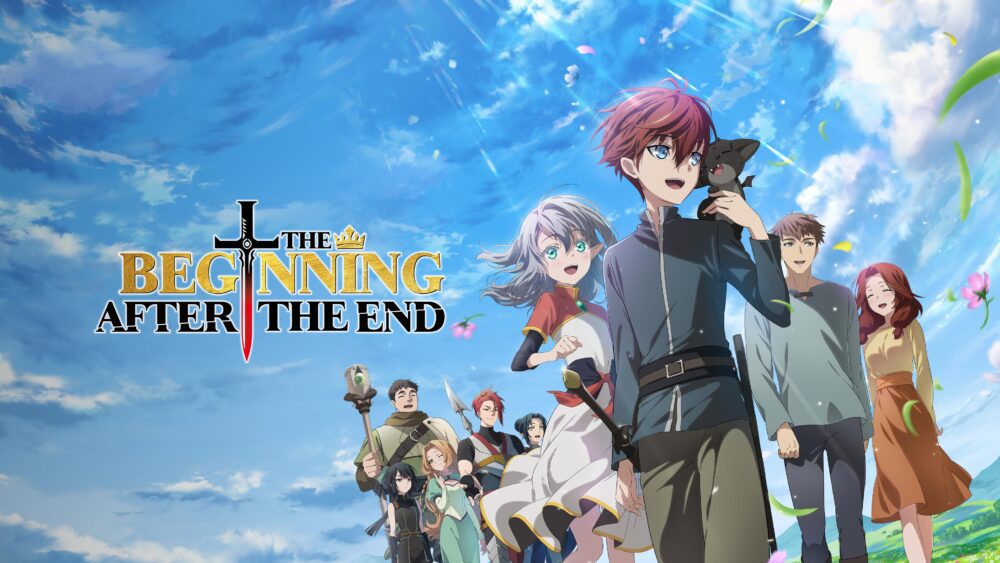
TBATE is not “maybe getting” an anime anymore. It has an anime, it completed a full first season, and it is positioned as an ongoing project rather than a one-season experiment. That matters because it changes your decision-making. Instead of waiting for an announcement, you should decide whether you want to watch Season 1 now, whether you want to rewatch before Season 2, and whether you want to bridge into the source material while you wait.
If you are new, treat Season 1 as a proof-of-concept. It establishes the reincarnation premise, introduces the main cast, and sets the direction of the power progression. If you are returning, treat Season 1 as a quick refresher. At 12 episodes, it is short enough to rewatch in a weekend while still restoring the details that make later arcs land, such as how the magic system is framed and why the early relationships matter when the stakes escalate.
There is also a practical “platform reality” behind anime confirmation. Once a series is licensed and distributed by a major streamer, its status becomes operational: listings are updated, episodes are counted, and season windows are scheduled in the same way as other seasonal anime. That is why, as Season 2 approaches, you should expect clearer official timing and less reliance on rumor accounts.
The Timeline That Matters: Season 1 Dates, 12 Episodes, and the Next Release Window
If you want a timeline you can actually plan around, focus on three anchors: when Season 1 began, how long it ran, and when Season 2 is expected to begin. Season 1 premiered in early April 2025 and ran as a standard single-cour season with 12 episodes.
The key point for 2026 planning is what fans typically mean today when they ask “when is it coming out?”: new episodes. Season 2 is scheduled for April 2026, which gives you a predictable runway for catching up without panic-binging the night before the premiere.
A practical way to interpret the keyword intent:
- If you mean “When did the TBATE anime first come out?” the answer is April 2025.
- If you mean “When does the next season come out?” the answer is April 2026.
That distinction changes what you should do next. New viewers can watch Season 1 immediately and then decide whether to read ahead. Returning viewers can do a short, targeted rewatch and be ready for weekly discussion cycles. Source readers can decide whether they want to preserve anime-first pacing or stay far ahead via the web novel.
Also remember that “date” and “local availability” are not always identical. Time zones can shift an “April 2” release into “April 3” locally depending on the announced premiere hour, and regional licensing can affect which app shows the series in your territory first. The clean habit is to rely on the platform’s release calendar once the window gets close.
Where to Watch Legally: Streaming, Region Differences, and What to Expect
For most viewers, the TBATE anime is a streaming-first title. That means “getting an anime” is inseparable from “where can I watch it,” because the official release is defined by licensing and platform distribution rather than one universal TV channel.
The most straightforward legal answer for many regions is to watch via a major anime streaming service that carries the title. Once the season begins, the viewing model is typically:
- A weekly release cadence after the premiere
- A posted release time with a reference time zone
- A sub schedule that often arrives before the dub schedule
Two real-world considerations matter more than most fans expect. First, platform policies change. If you previously relied on free tiers or ad-supported access, those options may be limited, which affects how you plan subscriptions during airing months. Second, licensing is territorial. A show that is clearly available in one country may be delayed or handled differently elsewhere.
If your goal is a frictionless experience, keep it simple. Use the legal platform available in your region, confirm your account works on your main device, and verify you can access Episode 1 before Season 2 arrives. That one check prevents the most common premiere-week frustration: discovering you cannot stream the show legally at the moment everyone starts talking about it.
Why Fans Got Confused: Split Cour Rumors and the 12-Episode Reality
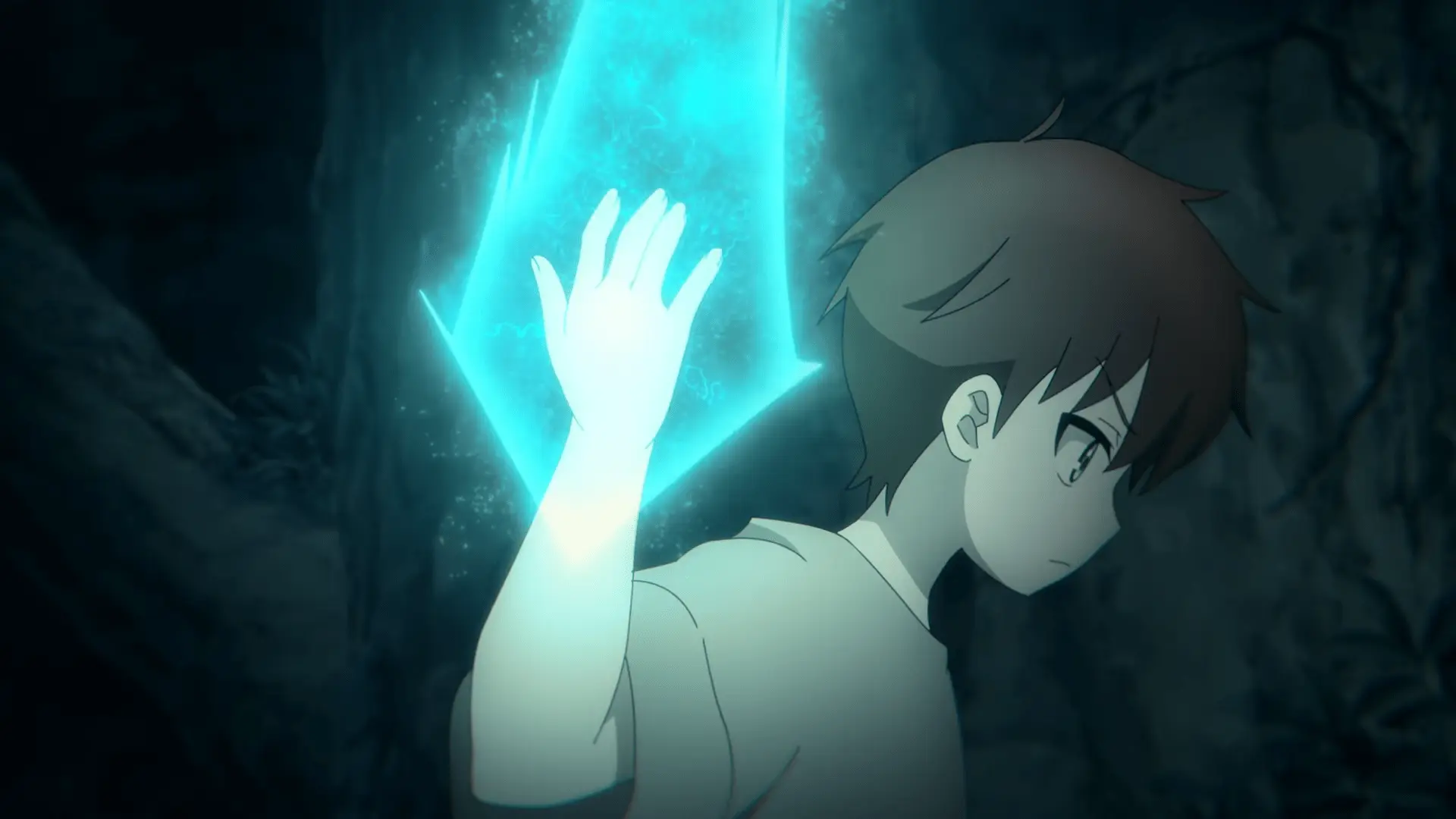
A major reason the keyword keeps trending is that early discussion blended two separate questions: whether the anime was real, and how long Season 1 would be. You will still see conflicting claims like “it’s 24 episodes,” “it’s two cours,” or “Season 1 has a Part 2.”
This happens because “two cour” and “split cour” are common patterns in seasonal anime. Fans speculate about them to predict pacing, arc coverage, and whether a show will pause mid-year. Speculation spreads faster than official schedules, especially in fast-moving fandom spaces.
For TBATE, the actionable reality is straightforward: Season 1 concluded at 12 episodes, and the continuation is framed as Season 2 rather than “Season 1 Part 2.” That shapes your expectations. A 12-episode season is typically built to establish premise, rules, and emotional stakes, then end on a momentum beat that makes a second season feel necessary. It is not designed to adapt the full depth of what long-time web novel readers discuss.
Operationally, treat episode-count chatter as entertainment until an official listing confirms it. Planning around rumors is how fans get disappointed. Planning around confirmed episode counts and season windows is how you stay calm and enjoy the series.
What the Anime Covers and How It Compares to the Webcomic and Web Novel
TBATE is a multi-format franchise, and many fans arrive through different doors. Some start with the web novel, others with the webcomic, and a growing group starts with the anime. Each format emphasizes different strengths.
The anime is the fastest way to test the franchise. Twelve episodes is a low-commitment binge that shows you the core identity of TBATE: reincarnation, training-driven power progression, and stakes that escalate beyond personal growth. Season 1’s role is to establish direction, not to resolve everything.
The webcomic is often the easiest next step after the anime because it is visual and paced for rapid consumption. Action beats are clearer, character designs are immediate, and chapters end on cliffhangers that keep you reading. The web novel is the deepest option. It usually provides more internal monologue, more explanation of the magic system, and more patience in how long arcs build.
If you want to avoid getting lost, choose one format as your source of truth and treat the others as supplements. Many anime-first fans restart from the beginning in the webcomic to re-anchor details while continuing the story. Others jump into the web novel to gain maximum context. Either approach works if you stay consistent.
As a practical organization tip, some readers use ComicK as a lightweight tracker for arc names, chapter checkpoints, and what they planned to read next, especially when switching between anime and reading. Keep the consumption on official platforms, and use tracking tools only to reduce friction.
Season 2 Expectations: What You Can Predict Without Spoilers
Without diving into heavy spoilers, it is reasonable to expect Season 2 to build on the foundation laid in Season 1 and push deeper into TBATE’s signature escalation. TBATE is structured like progression fantasy: early arcs are about foundations, identity, and learning the rules; later arcs test those rules under pressure and widen the scope of the world.
Season 2 is likely to increase the density of training stakes, broaden the influence of institutions and rival forces, and raise the level of consequence for choices made in earlier arcs. Viewers will be watching for three core execution points:
- Pacing that lets emotional beats land
- Progression that feels earned and consistent
- Escalation that raises stakes without breaking the world’s internal logic
Marketing will intensify as April 2026 gets closer. Expect new visuals, promotional videos, and more precise timing closer to the premiere. Do not treat early marketing as a weekly calendar. Use it as a signal that you should finish Season 1 and lock in your viewing plan before spoiler chatter rises.
The Best Catch-Up Plan for New Fans, Returning Fans, and Source Readers
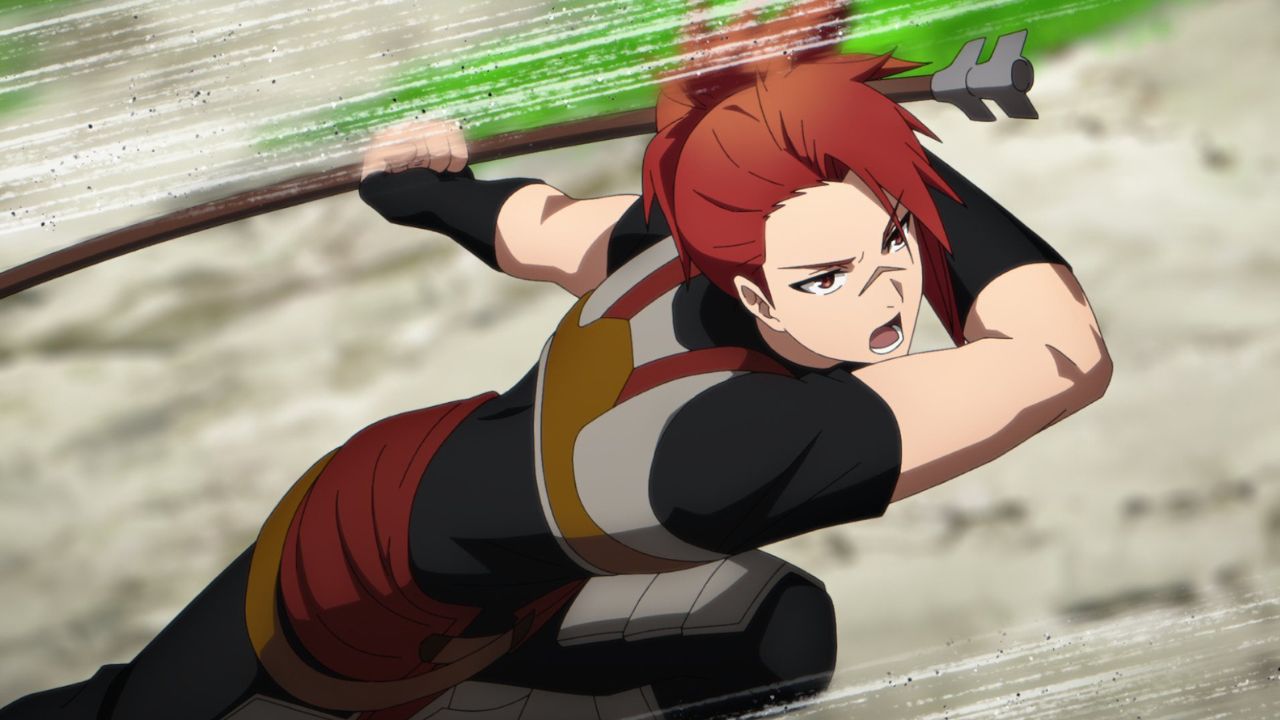
A good catch-up plan reduces cognitive load. TBATE fans often get overwhelmed not by the story but by juggling too many formats at once. Here are clean paths based on where you are starting.
If You Are New
- Watch Season 1 start to finish (12 episodes).
- Pick one reading lane: webcomic for speed or web novel for depth.
- Avoid recap videos and “best moments” compilations until you finish, because they spoil casually.
If You Are Returning
- Do a targeted rewatch: the premiere, one progression milestone episode, and the finale.
- Re-anchor character motivations and the logic of the power system.
- Decide whether you will follow weekly or read ahead to avoid waiting frustration.
If You Already Read TBATE
- Decide your spoiler policy: adaptation quality vs story reveals.
- Avoid dropping “future arc hints” in chats with anime-only viewers.
- Use a tracker to mark where your anime progress sits relative to your reading progress.
This is where ComicK can be useful as an organizational layer if you like keeping checkpoints and arc notes tidy while consuming official releases elsewhere.
Common Details People Miss: Dub Timing, Time Zones, and Misinformation
Most confusion comes from small operational issues that get misreported. Fix these, and the release conversation becomes much simpler.
Time zones can shift an announced date by a day locally, depending on the premiere hour. When Season 2 approaches, rely on the platform’s posted release time and convert from that, rather than trusting reposted screenshots.
Dub schedules often lag behind subs. If you are a dub-only viewer, plan for a possible delay and avoid social spaces that post subtitled clips immediately after release.
Finally, episode numbering can be mislabeled on low-quality listing sites. Always treat the official platform’s episode list as your reference, especially if you are trying to avoid missing content or accidentally skipping a recap.
FAQ
1) Is the beginning after the end getting an anime?
Yes. It already has an anime adaptation.
2) How many episodes are in Season 1?
Season 1 has 12 episodes.
3) When did Season 1 come out?
Season 1 premiered in early April 2025.
4) Is there a Season 2?
Yes. Season 2 is scheduled for April 2026.
5) Where can I watch the TBATE anime legally?
Use the licensed streaming platform available in your region.
6) Should I watch the anime or read first?
Watch first for a spoiler-safe experience. Read first for deeper context and faster progression.
7) Is TBATE a webcomic or a web novel?
It is both: a web novel and a webcomic adaptation.
8) Why do people claim Season 1 was supposed to be longer?
Because split cour speculation is common in anime fandoms; the practical reality is 12 episodes for Season 1.
9) Will the dub release at the same time as the sub?
Often not. Dubs frequently follow a delayed or staggered schedule.
10) What is the easiest way to catch up before Season 2?
Binge the 12-episode Season 1, then pick webcomic for speed or web novel for depth.
Conclusion: What to Remember Before the Next Season
If you are searching is the beginning after the end getting an anime, the reality is clear: it already did, and Season 1’s 12 episodes mean you can catch up quickly without a huge time investment. The smarter question now is how you want to experience the continuation: anime-only weekly watching, webcomic bingeing, or deep web novel reading while you wait.
The best preparation is simple and structured. Watch or rewatch Season 1, decide whether you care about sub versus dub timing, and lock in one reliable legal platform so you are not scrambling when Season 2 marketing peaks. If you also read, keep your place organized. Some fans use ComicK as a progress tracker while consuming official releases elsewhere, and avoid rumor-heavy feeds that turn basic scheduling into chaos.
In short: the anime is real, Season 1 is complete, and the franchise is moving forward. Your job is not to wait for confirmation. It is to choose the viewing plan that makes the next release cycle feel exciting instead of stressful.
You may also like:
Is The Beginning After The End Good? 11 Addictive Moments That Hit Hard
Where Can I Read The Beginning After The End? 9 Best Legit Sites You’ll Love
When Does The Beginning After The End Anime Come Out? 11 Explosive Updates You’ll Love

Jessica is a content editor at ComicK, with experience tracking and curating information from a wide range of Manga, Manhwa, and Manhua sources. Her editorial work focuses on objectivity, verifiable information, and meeting the needs of readers seeking reliable insights into the world of comics.