
The most widely accepted OG Webtoon-era trio is Tower of God, Noblesse, and The God of High School, three long-running pillars with massive official episode libraries (roughly 652, 544, and 569 episodes) that helped define how modern manhwa is read worldwide.
Based on platform episode listings, long-term readership signals, and how these series shaped genre blueprints like tower-climb progression, supernatural organizations, and tournament escalation, this guide explains who are the big 3 of manhwa and how to choose the best starting point for your taste. If you want a quick, scan-friendly roadmap, keep reading for what each title is about, what it influenced, and why ComicK-style discovery tags still point back to these three legends.
Why the “Big 3 of manhwa” is a debate, and why this trio still wins
The phrase “Big 3” is fandom shorthand, not an official industry label. That is why answers vary. Some readers define “Big 3” as “the biggest series right now,” which might include newer dungeon-raider hits, modern romance blockbusters, or manhwa boosted by recent anime adaptations. Others define it historically, referring to the earliest wave of platform-first webtoons that proved the vertical scroll model could carry multi-year epics with massive audiences.
When people say “Big 3” in manhwa circles, they usually mean a trio that did three things at once:
- Platform-defining success: long serialization, huge readership, and constant visibility.
- Blueprint-level influence: story structures and genre conventions that later series copied.
- Cultural gravity: a reputation so strong that it pulls new readers into manhwa itself.
In that era-defining sense, Tower of God, Noblesse, and The God of High School remain the strongest trio because they arrived early, dominated weekly reading habits, and influenced the way action webtoons are written, paced, and structured. Even if newer titles outperform them in certain markets today, these three still represent a foundational “pillar era” that changed what manhwa could be in the global digital space.
If you want a practical way to think about it, the Big 3 is less “the three best stories ever” and more “the three series that shaped the platform model.” That is why this trio continues to appear in discussions, recommendation lists, and “starter pack” guides.
Who are the big 3 of manhwa? The definitive trio and what “episode count” means here
Who are the big 3 of manhwa? The most widely cited trio is Tower of God, Noblesse, and The God of High School. The “episode count” in Big 3 conversations typically refers to the official webtoon episode numbering on major platforms, not the number of print volumes.
A quick, reader-friendly snapshot:
Tower of God (fantasy epic, long running)
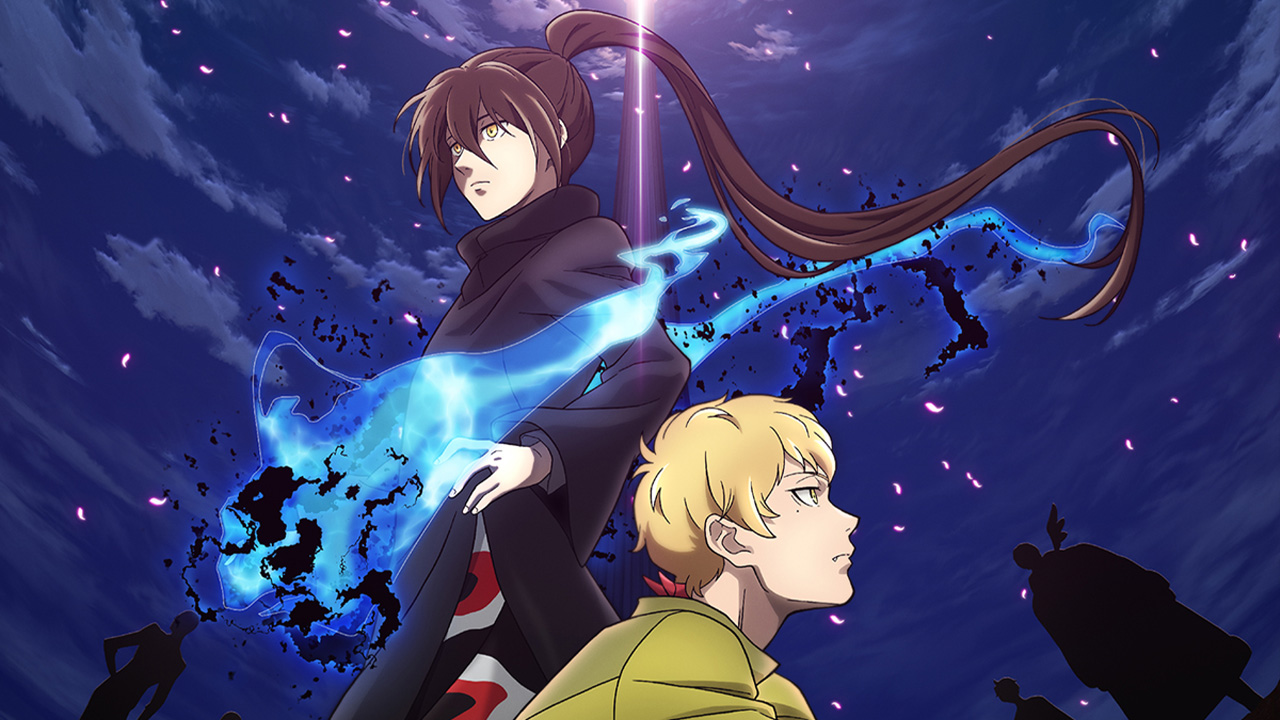
- Episode scale: roughly 652 episodes on the official WEBTOON list at the most recent season endpoint.
- Core promise: massive worldbuilding, layered mysteries, faction conflict, and slow-burn revelations.
- Best for: readers who love lore, ranking systems, power scaling, and long arc payoffs.
Noblesse (supernatural action, completed)
- Episode scale: roughly 544 episodes including epilogue entries.
- Core promise: an ancient noble power in a modern world, loyal retainers, and escalating conflicts.
- Best for: readers who want a completed action classic with a clean binge path.
The God of High School (tournament action, completed)
- Episode scale: roughly 569 episodes including epilogue entries.
- Core promise: martial arts tournament hype that expands into mythic and cosmic stakes.
- Best for: readers who prioritize fights, choreography, and momentum.
Practical note: counts can vary slightly between sites due to split chapters, merged episodes, or language editions. For consistent tracking, always compare the three using the same platform’s numbering.
Tower of God: the blueprint for long-form webtoon worldbuilding
Tower of God is one of the strongest proofs that webtoons can deliver epic fantasy at the same scale as the longest-running shonen franchises, but with web-native pacing. The story is built around a simple but powerful engine: climb the tower, pass the tests, gain power, and uncover the truth. Each “floor” functions like a distinct society with its own rules, politics, and threats, which allows the series to expand without losing its central goal.
What made it dominate is its ability to sustain tension across hundreds of episodes through layered mysteries. The series does not rely on one villain or one arc to keep interest alive. Instead, it uses factions, alliances, betrayal, and hidden history to keep the reader’s curiosity engaged. That curiosity becomes a form of retention: you keep scrolling because you want to understand what the tower actually is and why the characters are trapped in its logic.
Tower of God also normalized several structural ideas that later manhwa copied:
- clear power hierarchies and rank systems,
- long-term rivals and multi-team dynamics,
- seasonal arc breaks that feel like mini finales,
- mysteries that pay off far later than readers expect.
For new readers, the early episodes can feel slower because the series is laying foundations. But if you enjoy dense lore, you will appreciate how those foundations become meaningful later. This is also the kind of series where reading aids help: many readers use ComicK as a discovery layer to track character names, faction labels, and genre tags while they follow the official numbering for the primary read experience.
Noblesse: The early-era titan that made weekly action manhwa feel normal
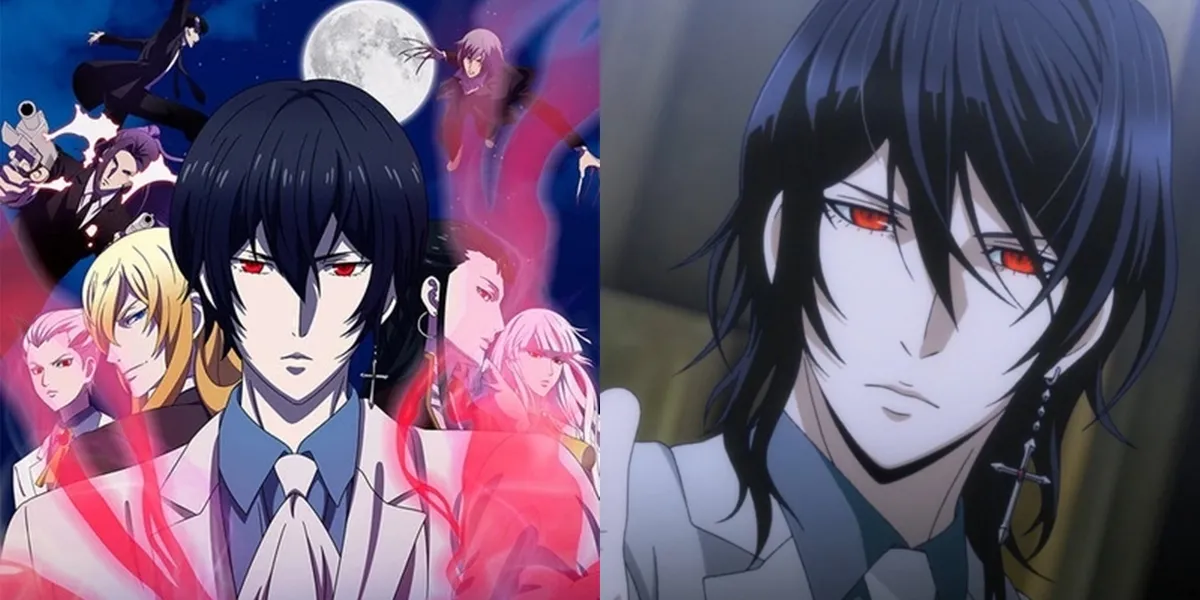
Noblesse is often described as a gateway manhwa because it combines an easy entry premise with long-term action escalation. The setup is immediately readable: a powerful noble awakens after a long slumber and re-enters a modern world that has moved on without him. That “ancient powerhouse in a present-day setting” archetype became a repeating template across action manhwa, especially those with secret organizations, elite enemies, and hidden bloodlines.
A key reason Noblesse dominated is tone control. It starts with school-life familiarity and humor, then gradually increases the intensity until it becomes a full action series. That smooth ramp helps beginners. The series also uses a loyal companion dynamic to anchor emotional warmth. Even when fights become bigger and more supernatural, the relationships keep the story from becoming purely spectacle.
Noblesse changed manhwa culture in two important ways. First, it helped legitimize platform-first serialization as a primary way to consume Korean comics, not just as a side format. Second, it taught many international readers what a long-running webtoon feels like: recurring villains, escalating arcs, and a growing cast that supports both action and comedy.
Because it is completed and extremely long, it remains one of the best “Big 3 starter” reads for people who want closure. If you want to understand why early webtoon audiences got hooked on weekly action releases, Noblesse is a clear case study.
The God of High School: The tournament series that proved webtoon fights could be elite
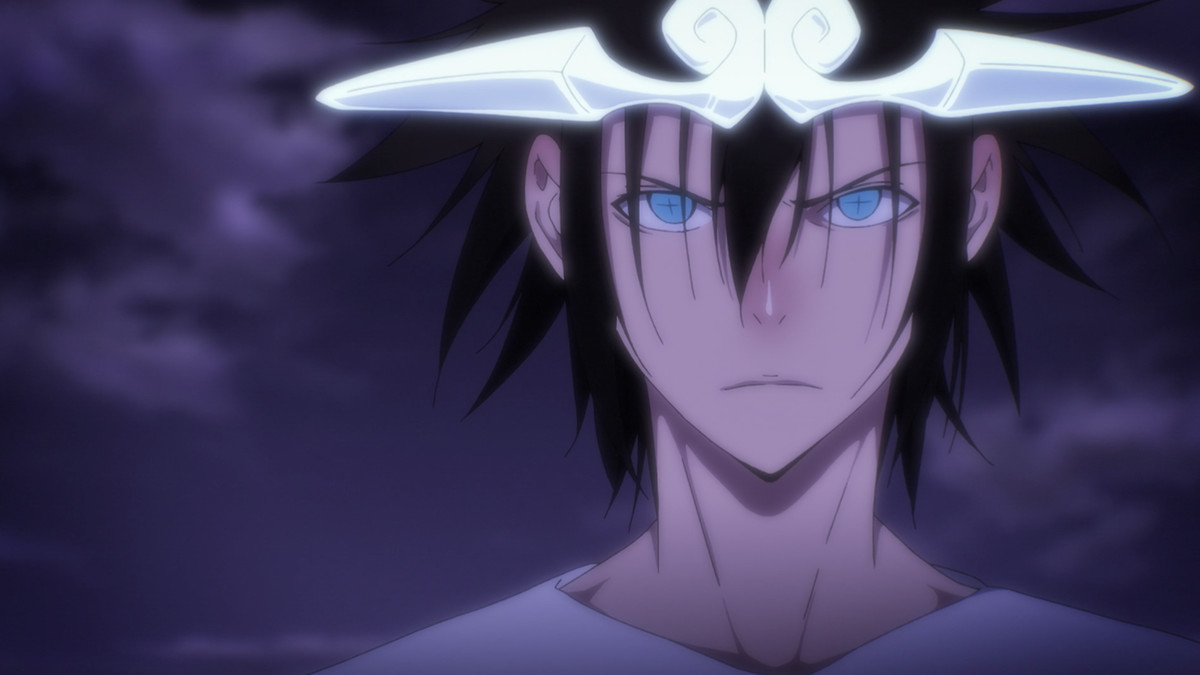
The God of High School begins like a classic tournament story and then refuses to stay small. The initial premise is straightforward: high school fighters compete, and the winner gets any wish. That simplicity is what makes it addictive early. You get quick character introductions, immediate rival energy, and constant match-based momentum. But the series scales rapidly into a maximalist action universe involving mythology, supernatural powers, and world-level stakes.
Its dominance comes from scroll-friendly choreography. The creator understands how readers consume webtoons: they scroll fast and expect consistent visual payoff. The series delivers fights as a steady stream of spectacle rather than saving everything for rare “big chapters.” It uses tension-building beats, cinematic angles, and impact panels that read smoothly in vertical format. That design sense shaped how later action webtoons structured combat scenes.
Another reason it stayed dominant is escalation pacing. Tournament stories can become repetitive if every arc is “another match.” The God of High School solves that by letting the tournament evolve into something much larger, transforming opponents into allies, introducing mythic threats, and repeatedly raising the meaning of “strength.”
If you are the type of reader who wants constant hype, this is likely your first pick among the Big 3. It is also a strong binge because completed status removes the frustration of waiting for the next season.
Why these three changed manhwa forever beyond their plots
The Big 3 mattered because they changed the ecosystem, not just because they were popular.
1) They industrialized the weekly reading habit
These series trained readers to return consistently, treat episodes like events, and discuss each update in comment sections. That weekly rhythm is now the default expectation for webtoon storytelling.
2) They established web-native pacing rules
Cliffhangers, recap-friendly structures, season finales, and arc resets became standard partly because these series proved they work at scale. Many modern action-fantasy manhwa still follow the pacing grammar these titles helped normalize.
3) They accelerated global discovery and “starter pack” culture
A Big 3 creates a gateway: readers who finish one often look for more, which grows the entire medium. That gateway effect is why these series were repeatedly recommended to new readers and why they appear in manhwa history discussions.
4) They influenced genre DNA
Tower of God popularized test-based progression, factions, and deep lore.
Noblesse popularized modern-supernatural hybrids with secret organizations.
The God of High School popularized tournament escalation into mythology-scale conflict.
These influences still appear in today’s most popular subgenres, including dungeon leveling, murim action, and “ranked world” fantasy stories.
How to start reading the Big 3 without burning out
These are not short reads. The best way to enjoy them is to read strategically.
If you want deep lore and slow-burn payoffs
Start with Tower of God. Read one season at a time, then take a break.
If you want a completed classic with a clean binge path
Start with Noblesse. It is accessible early and rewards long-term reading.
If you want nonstop fights and fast momentum
Start with The God of High School. It hooks quickly if you love combat.
For discovery and tracking, many readers use ComicK to compare synopsis tags, identify similar series, and organize what to read next, then switch to official platforms for consistent episode numbering and full library access. That workflow keeps your binge organized and reduces confusion when titles have multiple seasons or epilogue blocks.
Conclusion
Who are the big 3 of manhwa? The clearest, historically grounded answer is Tower of God, Noblesse, and The God of High School. They are called the Big 3 because they helped define the modern webtoon era: long-form weekly serialization, vertical-scroll pacing conventions, and global-scale fandom engagement. Their massive episode libraries reflect that dominance, and their influence still shapes how action manhwa are written today.
If you want to understand manhwa as a medium rather than just as a trending category, reading even one of these three will give you the vocabulary to recognize the genre blueprints everywhere. Use ComicK as a discovery and organization layer if you like, then follow official episode numbering for the most consistent reading experience.
FAQ
1) Is the Big 3 of manhwa an official industry list?
No. It is a fandom label used to describe era-defining series.
2) Are these three all webtoons?
They are best known as platform-first webtoons and are strongly tied to the WEBTOON era.
3) Which Big 3 series is easiest for beginners?
Noblesse is often the easiest entry due to its clear premise and completed status.
4) Which one has the deepest worldbuilding?
Tower of God is generally considered the most lore-heavy and faction-driven.
5) Which one is the most fight-focused?
The God of High School prioritizes action choreography and momentum.
6) Do episode counts differ across sites?
Yes. Some sites split or merge episodes, so totals can vary by edition.
7) Are there “new Big 3” candidates today?
Yes, and the debate depends on whether you mean current popularity or historical impact.
8) Should I read these on official platforms?
Yes, for consistent numbering, translation quality, and the best support for creators.
9) How long does it take to binge one of these series?
It depends on your pace, but most readers do best by reading one season at a time.
10) What should I read next after finishing one of the Big 3?
Look for series with similar tags: tower-climb fantasy, supernatural organizations, or tournament escalation, and use discovery hubs like ComicK to narrow your options quickly.
You may also like:
What is the No. 1 BL series? 10 Powerful Titles That Truly Dominate
What is the most read BL manhwa? 10 Explosive Picks Everyone’s Talking About
What is BL manhwa called? 9 Shocking Labels You’ll See Everywhere Online

Jessica is a content editor at ComicK, with experience tracking and curating information from a wide range of Manga, Manhwa, and Manhua sources. Her editorial work focuses on objectivity, verifiable information, and meeting the needs of readers seeking reliable insights into the world of comics.