
The most accurate, widely used name is BL (Boys’ Love) manhwa or BL webtoon, while older and fandom-heavy labels like yaoi, shounen-ai, and tags such as R-19, smut, and omegaverse (ABO) are still common online.
Based on how official platforms categorize titles and how readers actually search in catalog hubs like ComicK, this guide clarifies the 9 labels you will see most often, what each one really means, and how to use them to find the right stories faster. Keep reading for a clean, scan-friendly breakdown that helps you search smarter and avoid clicking into the wrong subgenre.
What is BL manhwa called? The short answer and why names differ

BL manhwa is typically called BL (Boys’ Love) manhwa, or simply BL webtoon when it is published in the vertical scroll webcomic format. That is the cleanest, most modern terminology and the wording you will see on many official platforms, catalog pages, and genre filters. The confusion starts because BL has multiple “naming layers” that evolved across countries and decades.
First, the word manhwa is Korean comics, while manga is Japanese and manhua is Chinese. BL stories exist in all three, so people often borrow labels across borders. Second, older fandom spaces popularized the term yaoi as a catch-all for male-male romance comics. Third, many sites and apps classify BL by content rating (mature, R-19, explicit), and those rating labels can look like “genre names” to new readers. Finally, internet culture adds more shorthand: “top/bottom,” “switch,” “omegaverse,” and other tags that describe relationship dynamics rather than medium or origin.
If you want the most accurate everyday phrasing, use “BL manhwa” or “BL webtoon.” If you want the widest search coverage, combine modern and legacy terms, especially if you are browsing discovery hubs like ComicK where tags often reflect how fans actually search.
Below are the 9 labels that appear most frequently and the practical meaning of each.
Label 1: BL (Boys’ Love)
BL stands for Boys’ Love, a genre umbrella for romantic and erotic stories featuring male-male relationships. In modern usage, BL is the most neutral, widely accepted label. It is used in official storefront categories, platform genre filters, and publisher marketing. BL can include everything from wholesome slice-of-life college romance to darker psychological drama, from slow burn to explicit smut, and from fluffy comedy to tragedy.
The “shocking” part for many new readers is that BL is not a single tone. Two BL series can feel like different universes: one might be an office romance with gentle character development, while another might be an enemies-to-lovers thriller with heavy power dynamics. So when you see “BL,” treat it like a broad shelf label, not a content guarantee.
Practical tip: if you want to avoid surprises, pair “BL” with clarifiers such as “romance,” “mature,” “college,” “historical,” “mafia,” “omegaverse,” “comedy,” or “slow burn.” On official platforms, you will often see BL separated into “romance,” “mature,” “adult,” or “R-19” categories. On community catalogs, BL is frequently bundled with tags like “smut,” “NSFW,” “explicit,” “consent issues,” “trauma,” or “fluff.” Those tags matter because BL is a genre, but your comfort level is personal.
Label 2: Yaoi
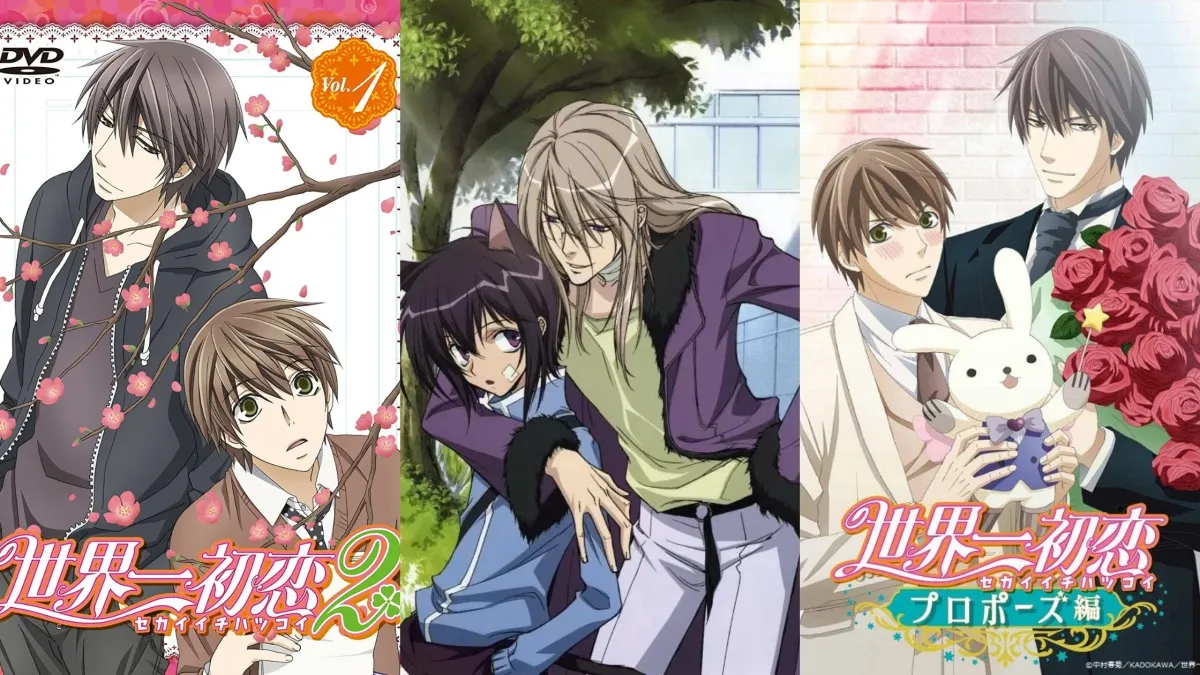
Yaoi is one of the most widely recognized BL labels online, but it is also one of the most misunderstood. Historically, “yaoi” originated in Japanese fandom culture and became an internet shorthand for male-male romance comics, often with a strong emphasis on erotic content. In many older forums, “yaoi” was used interchangeably with BL. Today, usage varies: some readers still say yaoi casually, while others consider it outdated or too strongly tied to explicit content and older tropes.
You will see “yaoi” everywhere because it remains a powerful search term. Many people who are not sure what to type will default to “yaoi manhwa,” even when they are actually looking for Korean BL webtoons. This is one reason the label persists: it is searchable, recognizable, and sticky.
How to interpret it in 2026: treat “yaoi” as a legacy keyword that often signals “this is BL and might be spicy,” but do not assume it is always explicit. Many websites apply it loosely. If you want safer browsing, search “BL manhwa” first, then use “yaoi” only when you are comfortable filtering by mature content ratings. If you are using ComicK to discover new titles, you may see yaoi in community tags even when the official genre is listed as BL.
Label 3: Shounen-ai
Shounen-ai is another legacy term you will see constantly, often paired with “yaoi.” In older online usage, shounen-ai was used to imply a softer, less explicit male-male romance, while yaoi implied more explicit scenes. In practice, the boundary is not consistent across platforms, and the term itself is not always used accurately.
Here is the modern reality: many official platforms do not rely on “shounen-ai” at all. They categorize content by age rating (teen, mature, adult) and by subgenre (romance, drama, comedy). Meanwhile, fan spaces may still use shounen-ai to signal “no smut” or “romance-focused.” That can be helpful, but it is not a guarantee.
If you are new to BL manhwa, the safest way to treat shounen-ai is as an approximate clue. If you see it, expect a story that is more about emotional connection, longing, and relationship development than explicit scenes. However, always check the maturity rating and tags like “explicit,” “NSFW,” or “R-19” before assuming anything.
Search tip: If you want romance without explicit content, search “BL romance,” “soft BL,” “slice of life,” “school life,” or “slow burn,” and avoid tags like “smut,” “explicit,” or “adult.” Shounen-ai can help, but it should not be your only filter.
Label 4: BL Webtoon
A BL webtoon is BL content published in the vertical scroll format popularized by webcomic apps. This label matters because it tells you how the story is packaged: episodic releases, mobile-friendly panels, and cliffhanger endings designed for weekly reading. Many BL manhwa today are effectively “webtoons” in format, even though “manhwa” is the broader word for Korean comics.
You will see BL webtoon used in three situations:
- When a platform wants to highlight the scroll format as a selling point.
- When readers want to distinguish Korean BL series from Japanese BL manga.
- When someone is searching for ongoing weekly releases rather than completed volumes.
This label can also imply certain reading behaviors. BL webtoons are often optimized for binge reading, with punchy episode endings and clear season arcs. They can be more serialized, with dramatic pacing and frequent story beats. That structure is one reason some titles feel “addictive” even when the plot is simple: the format encourages “just one more episode.”
If you are browsing catalogs like ComicK, “BL webtoon” can be a useful category label to narrow to vertical scroll Korean series and avoid accidentally mixing in print-first manga. It is not a genre difference, but it is a format difference that changes the reading experience.
Label 5: R-19 (and other maturity ratings like R-15, Mature, Adult)
If any label shocks new readers, it is R-19. In Korean webtoon contexts, R-19 generally indicates adult-only content, which may include explicit sexual scenes, strong nudity, or heavy themes. You may also see R-15, “Mature,” “Adult,” “18+,” or “NSFW.” These are not story genres, but they function like labels because they strongly predict what you will see on the page.
Important nuance: ratings can vary by platform and region. Some apps offer both censored and uncensored versions, or they may restrict certain scenes depending on local policies. This is why two readers can talk about “the same series” and describe different levels of explicitness.
Practical interpretation:
- R-19 / Adult / 18+ often means explicit scenes are likely.
- Mature can mean explicit scenes or simply heavy themes (violence, trauma, abuse).
- R-15 / Teen usually suggests reduced explicit content, but not necessarily zero.
If you are choosing BL manhwa for comfort, always scan for content warnings: “non-consensual,” “dubious consent,” “violence,” “stalking,” “trauma,” or “psychological.” R-19 is about age restriction, not about whether the romance is healthy. Use it as a safety filter, not as a quality signal.
Label 6: Smut and NSFW
Smut and NSFW (Not Safe For Work) are internet-first labels that often overlap with R-19, but they are used more casually in fandom spaces. Smut usually means explicit sex scenes are a meaningful part of the story. NSFW can mean explicit sexual content, nudity, or occasionally extremely graphic themes. These terms show up constantly in recommendation posts, comment threads, and tags because they answer the question readers often hesitate to ask directly: “Is it spicy?”
What is “shocking” is how much these labels influence discovery. Many readers search for “smut BL manhwa” as a primary filter, and many popular titles gain massive readership simply because they reliably deliver the promised heat plus a bingeable romance arc.
Use these terms carefully:
- If you want explicit content, “smut BL manhwa” and “NSFW BL webtoon” are high-yield search phrases.
- If you want romance without explicit scenes, avoid “smut” entirely and look for “soft,” “fluff,” “wholesome,” “slow burn,” or “slice of life.”
Also note: smut does not automatically mean low plot. Many top series combine explicit scenes with strong character writing, relationship tension, and high stakes drama. But if your goal is narrative depth, prioritize tags like “drama,” “character development,” “redemption,” “mystery,” or “thriller,” then treat smut as optional.
Label 7: Omegaverse (ABO)
Omegaverse, sometimes labeled ABO (Alpha/Beta/Omega), is a subgenre tag that appears everywhere in BL manhwa recommendations. It is “shocking” because it looks like a genre, a biology system, and a relationship dynamic all at once. In omegaverse stories, characters often have secondary genders or roles that shape attraction, social hierarchy, and romantic conflict. You will see tags like “alpha,” “omega,” “heat,” “rut,” “mating,” “marking,” and “fated partners.”
Why it matters: omegaverse is one of the strongest engines of binge reading in BL webtoons because it creates built-in stakes. Characters can have conflicting instincts, social pressure, and identity issues that force dramatic choices. Some omegaverse stories are comedic and fluffy, while others are dark and heavily political.
How to browse safely:
- If you enjoy trope-driven romance with high drama and fast escalation, ABO is a strong fit.
- If you dislike biological determinism themes or consent ambiguity, read tags carefully.
Omegaverse is also a major “search multiplier.” If you type “omegaverse BL manhwa,” you will get a different ecosystem of recommendations than “office BL manhwa.” Knowing this label helps you control your feed and find stories that match your preferred intensity level.
Label 8: Seme/Uke and Top/Bottom
These are relationship-role labels, not story titles, but you will see them everywhere in BL discussions. Seme/uke are Japanese-derived terms that roughly map to “top” and “bottom” in many fandom conversations. In modern BL manhwa spaces, you will more commonly see top/bottom, plus “switch,” “vers,” “power bottom,” or “soft top.” These tags describe perceived sexual roles or relationship dynamics, and they can heavily influence recommendations.
Here is the key: these labels can be helpful shorthand, but they can also flatten characters into stereotypes. Many newer BL manhwa intentionally play against rigid role expectations, using role ambiguity, switching, or subverted power dynamics as part of the romance tension. You will also see tags like “dom/sub” and “BDSM” in mature works, which add another layer of meaning.
Practical use:
- If you know you prefer certain dynamics, these tags can help you find what you want faster.
- If you care more about plot and character growth, treat role tags as secondary and prioritize story tags like “slow burn,” “enemies to lovers,” “friends to lovers,” “age gap,” “college,” “office,” “historical,” “mystery,” or “crime.”
Many recommendation hubs, including ComicK-style catalogs, surface these tags because they reflect real user intent. Use them as tools, not as rules.
Label 9: Bara/Geicomi and “Bromance” (the most common mislabels)
Two labels cause repeated confusion: bara (geicomi) and bromance. They are often thrown into the BL conversation incorrectly.
Bara/Geicomi generally refers to gay comics created primarily for a gay male audience, often with different art conventions, body types, and thematic priorities than mainstream BL. Some people mistakenly call any “muscular BL” “bara,” but that is not accurate. Bara is not simply “BL with big muscles.” It is a different tradition with different audience assumptions.
Bromance, meanwhile, is often used for stories with intense male-male emotional closeness that are not explicitly romantic or sexual. Many platforms and dramas market “bromance” to imply closeness while avoiding confirmation of a romantic relationship. In webtoon contexts, bromance can be a warning label: it might not deliver a canon couple.
If your goal is BL manhwa (explicitly romantic male-male stories), these mislabels matter. They can lead you to content that is either not BL (bromance) or not the BL style you expected (bara). The fix is simple: search “BL manhwa,” “Boys’ Love webtoon,” and add your desired tone tags, then use platform ratings and content warnings to refine.
FAQ
1) What is BL manhwa called in the simplest terms?
It is most commonly called BL (Boys’ Love) manhwa or a BL webtoon.
2) Is “yaoi” the same as BL?
Often, yes in casual use, but “yaoi” is an older term and can imply more explicit content.
3) What does “shounen-ai” mean?
It is a legacy term often used to suggest softer BL, but it is not consistently applied.
4) What does R-19 mean on BL webtoons?
It generally means adult-only content, often including explicit scenes.
5) What is smut in BL manhwa?
Smut usually indicates explicit sexual content is a significant part of the story.
6) What is omegaverse (ABO)?
A subgenre using Alpha/Beta/Omega roles that shape romance dynamics and conflict.
7) What do top and bottom mean in BL tags?
They are role shorthand used in fandom discussions, sometimes overlapping with seme/uke.
8) What is the difference between manhwa and manga?
Manhwa is Korean comics; manga is Japanese comics.
9) Is bromance considered BL?
Not necessarily. Bromance may imply close friendship without confirmed romance.
10) Where can I discover BL manhwa titles quickly?
Catalog and discovery hubs like ComicK, plus official platform genre filters, are common starting points.
So, What is BL manhwa called? In modern, accurate usage, it is called BL (Boys’ Love) manhwa or a BL webtoon. Online, you will also see legacy and shorthand labels like yaoi, shounen-ai, and community tags such as R-19, smut, omegaverse (ABO), and top/bottom that guide expectations and recommendations. Once you understand these nine labels, you can search with intent, avoid mislabels like “bromance,” and use discovery tools such as ComicK to find BL that matches your preferred tone, tropes, and maturity level.
You may also like:
What do you call a girl who loves BL? 8 Bold, Positive Names That Hit Different
Who are the main characters in Topsy-Turvy Yongdo? 8 Must-Know Leads for a Thrilling Read
What is the most read BL manhwa? 10 Explosive Picks Everyone’s Talking About

Jessica is a content editor at ComicK, with experience tracking and curating information from a wide range of Manga, Manhwa, and Manhua sources. Her editorial work focuses on objectivity, verifiable information, and meeting the needs of readers seeking reliable insights into the world of comics.