
The most respectful, universally correct answer is a BL fan (or BL reader), and in some anime and manga communities, you may also see the self-identified term fujoshi used in a playful, in-group way. Drawing from years of BL community language across manga, manhwa, webtoon, and fandom spaces (including what we see readers use daily on ComicK), the safest rule is simple: use neutral labels publicly, and follow the term she chooses for herself.
In this guide, you’ll get 8 bold, positive names that fit different contexts (online, offline, fandom, and casual conversation), plus the meaning and etiquette behind each, so you never sound awkward or disrespectful.
What do you call a girl who loves BL? The short, clear answer
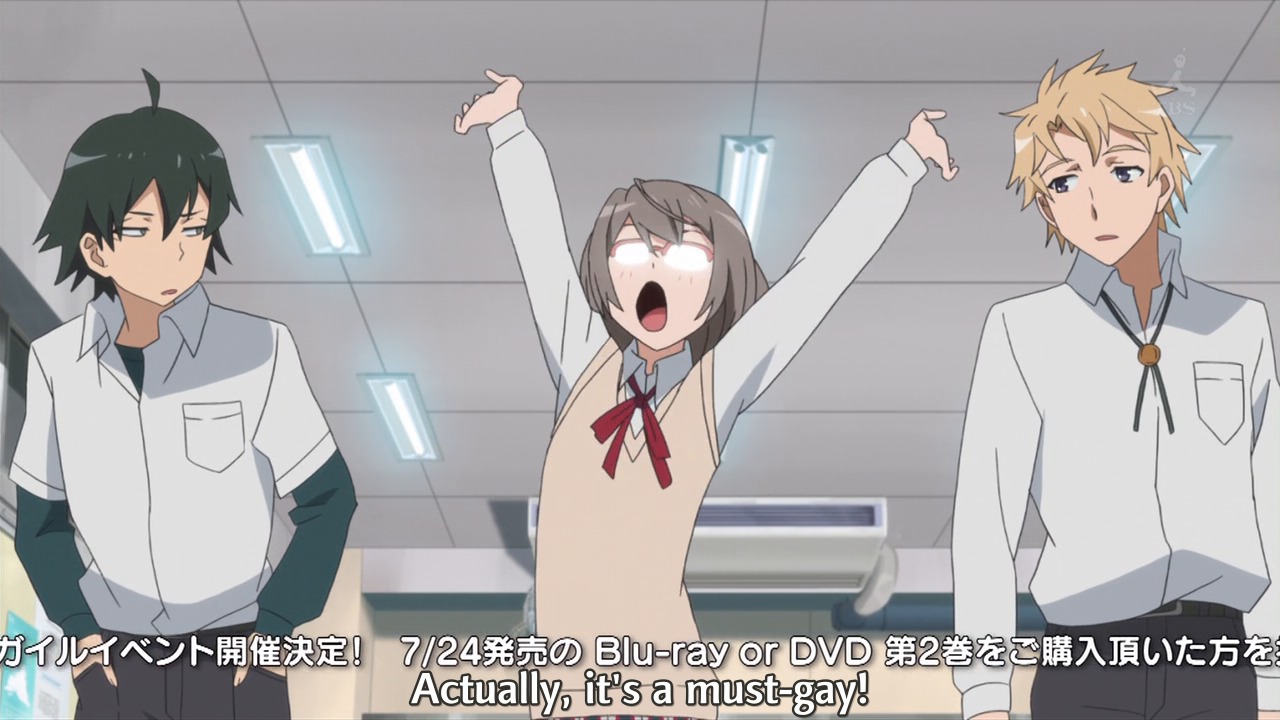
If you need one phrase that works everywhere, call her a BL fan or BL reader. It’s neutral, respectful, and accurate whether she reads Japanese manga, Korean manhwa, Chinese danmei, or modern webtoon series. If you’re inside Japanese fandom spaces (or talking about fandom culture itself), fujoshi is the most widely recognized term, but it’s best used when someone self-identifies with it or when the vibe is clearly playful and in-group.
Here are 8 bold, positive names that “hit different” because they frame BL interest as taste, media literacy, and fandom joy rather than as something weird or embarrassing:
1) BL fan (or BL reader)
A universal, no-drama label.
2) Fujoshi (or “fujoshi-adjacent”)
A classic fandom term with cultural baggage, used best with care.
3) BL enjoyer
Casual, modern, meme-friendly.
4) Yaoi fan
An older label, still used, sometimes more explicit-coded.
5) Shounen-ai fan
Often used for softer romance, though meanings vary by community.
6) Danmei reader
Common in Chinese BL and light novel communities.
7) Shipper / OTP believer
Fandom language for readers who love pairing dynamics.
8) BL connoisseur (or romance critic)
A confident “taste” label for people who analyze tropes and storytelling.
You’ll notice something important: none of these labels require assumptions about sexuality or identity. BL is a genre and a fandom space; people come to it for romance, character chemistry, storytelling, aesthetics, queer representation, or simply comfort reading.
Fujoshi: the most common term, and why tone matters
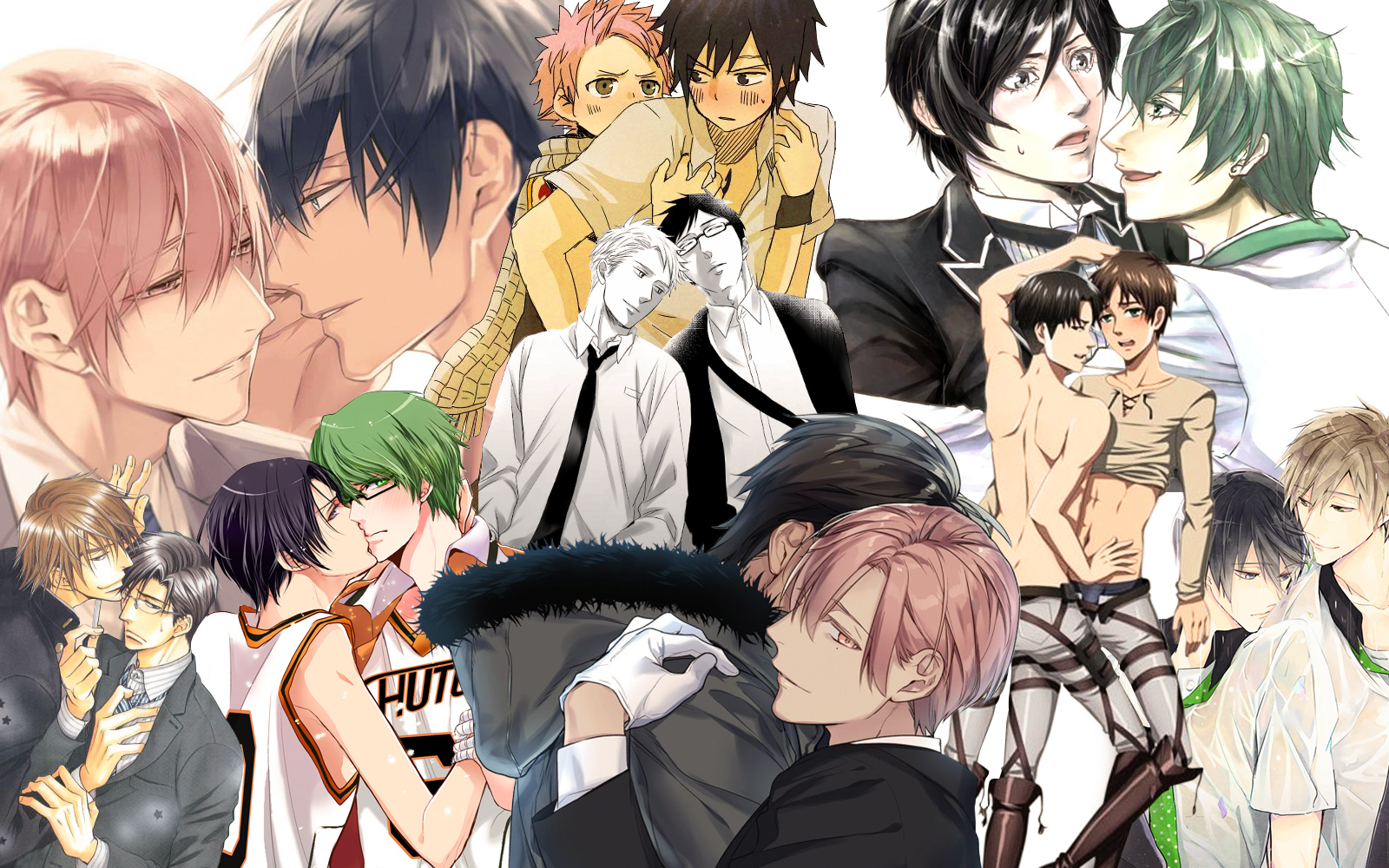
Fujoshi is probably the first word people hear when they ask what to call a girl who loves BL, especially in anime and manga circles. Literally, it’s a Japanese pun that has been translated as “rotten girl,” originally a self-deprecating joke within fandom. Over time, many readers reclaimed it as a proud in-group identity, while others dislike it because it can sound insulting when used by outsiders or when said with a mocking tone.
So, is it “positive”? It can be, but only in the right context.
When “fujoshi” works well
- She calls herself a fujoshi in her bio, posts, or conversations.
- You are in a Japanese BL community space where the term is standard.
- The vibe is friendly, playful, and clearly not judgmental.
When to avoid it
- You’re not sure how she feels about the term.
- You’re using it publicly where it might attract harassment.
- You’re using it as a stereotype (for example, implying BL fans fetishize queer men).
If you want a softer version, some people say “fujoshi-adjacent” or “fujoshipper” in a joking, self-aware way, especially on social platforms. Still, the best practice is simple: let people self-label. If you’re unsure, “BL fan” is always safer.
BL fan, BL reader, BL enjoyer: neutral labels that travel well
If you want a label that won’t start discourse in the comments, choose BL fan, BL reader, or BL enjoyer. These are the “airport English” of BL fandom: you can use them across TikTok, Reddit, Tumblr, Discord servers, and convention halls without needing a cultural footnote. They also avoid the biggest social pitfall: turning a genre preference into a judgment about someone’s personality.
BL fan is broad and accurate. It covers everything from classic manga to glossy modern webtoon originals, including official translations and scanlations. BL reader emphasizes the habit and the medium, which helps when someone reads danmei novels, digital chapters, or long-running series. BL enjoyer is a newer, internet-native vibe: casual, memeable, and often used with humor, like “I’m a BL enjoyer, I’m here for the slow burn and the mutual pining.”
These terms also play nicely with more specific tags:
- “BL manhwa reader”
- “Webtoon BL fan”
- “Danmei reader”
- “BL drama watcher”
- “Romance manga collector”
At ComicK, you’ll see readers describe themselves this way because it’s simple, search-friendly, and doesn’t invite weird assumptions. It’s also ideal for Rank Math SEO-style writing, because the phrase matches user intent without adding controversy.
Yaoi fan and shounen-ai fan: older terms with specific vibes
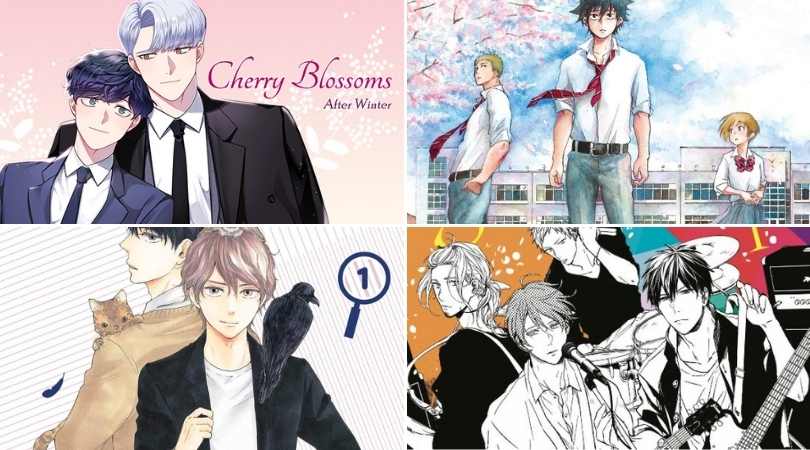
Yaoi and shounen-ai are older labels that still appear in fandom, especially among long-time anime and manga readers. They can be positive, but they are also era-coded and interpreted differently depending on region and community.
Yaoi fans often signal someone who enjoys BL with a more explicit edge, or at least doesn’t mind mature content, spice, and sensual storytelling. Historically, “yaoi” was used widely in Western fandom and fanfiction circles, sometimes as a catch-all for male-male romance. Today, many people prefer “BL” as the umbrella term because it’s broader and less loaded.
Shounen-ai fan is commonly used to imply a softer, romance-forward vibe, sometimes “PG-13,” sometimes more “first love” and less explicit. But be careful: the literal phrasing can be uncomfortable in some contexts, and its meaning is not consistent across communities. Some people use it as a simple genre label; others avoid it entirely.
If you want to keep things positive and modern:
- Use the BL fan as the default.
- Use yaoi fan only if the person uses that label first or you’re discussing older fandom language.
- Use shounen-ai fan with extra caution, and preferably in contexts where it clearly means “soft BL romance” rather than anything else.
In short, these terms can be useful descriptors, but they’re not always the best “name to call someone” unless you’re sure they welcome it.
Danmei reader: the Chinese-rooted label for modern BL fandoms
If someone is deeply into Chinese BL novels, historical romance arcs, cultivation settings, or long-form serialized stories, danmei reader is a strong, positive label. Danmei (often associated with Chinese-language BL fiction) has become a major fandom ecosystem of its own, with dedicated tropes, translation communities, audiobook discussions, and adaptation chatter around live-action dramas and animation.
Calling someone a danmei reader does two helpful things:
- It respects specificity: you’re naming the subculture, not just “BL” broadly.
- It signals shared interests: slow burn, political intrigue, found family, and sprawling character arcs, depending on the title.
It’s also a label that feels more like “book person” energy than “internet stereotype” energy. People discuss:
- official translations vs fan translations
- content warnings and consent conversations
- trope preferences like enemies-to-lovers, mutual yearning, redemption arcs
- worldbuilding depth and character-driven drama
If you’re chatting online, “danmei reader” pairs naturally with tags like “light novel fan,” “historical romance,” “modern AU,” and “adaptation watcher.” It’s one of the cleanest examples of a fandom label that stays positive, descriptive, and identity-neutral.
Shipper and OTP believer: fandom language for relationship-first readers
Some BL readers are in it for the whole package: art style, pacing, themes, and emotional payoff. Others are here for one specific joy: chemistry. That’s where shipper and OTP believer come in, and these terms can be genuinely positive when used as fandom shorthand rather than as an accusation.
A shipper is someone who roots for a pairing (a “ship”), whether it’s canon, implied, or purely fandom-created. An OTP is a reader’s “one true pairing,” the couple they will defend with screenshots, chapter timestamps, and a carefully curated collection of reaction memes. In BL spaces, shipping language shows up everywhere: comment sections, episode discussions, chapter threads, and fanart circles.
Why this label “hits different” is that it frames BL love as participatory fandom culture:
- creating fan edits and AMVs
- writing meta-analyses
- collecting panels that show micro-expressions
- arguing (politely) about who fell first
- tracking relationship development across arcs
Used correctly, “shipper” is a compliment: it says you understand the romance craft, the tension, and the emotional beats. Used incorrectly, it can sound like “you’re being irrational about fictional men.” Tone matters. If the person is clearly enjoying the ride, “Certified shipper” or “OTP believer” lands as playful and affirming.
Slash fan and fic addict: when BL love lives in fanworks
Not all BL love starts in BL. For many fans, the gateway is fanfiction, especially in communities that grew up on “slash” pairings in anime, games, K-pop fandoms, or Western media. That’s where slash fan and fic reader become meaningful labels.
Slash is an older fandom term for same-gender pairings, historically written with a slash between names (Character A/Character B). In modern usage, it can include male-male, female-female, and broader queer shipping, but many people still associate it with male-male romance fanworks. Calling someone a slash fan can be positive if:
- They use the term themselves
- You’re in a fanfiction-first space (AO3-style tagging culture)
- You’re discussing fandom history and how ships evolve
For a more positive, current tone, try “fic reader”, “fanfic lover”, or “BL fic addict” (only if they enjoy the joke). These phrases connect directly to the community behaviors people are proud of: writing, bookmarking, leaving thoughtful comments, and supporting creators.
A quick etiquette note: fanworks often include mature themes, kink tags, and detailed content warnings. So it’s best to avoid labeling someone publicly in a way that implies explicit preferences. In private conversations, though, “fic reader” can be one of the warmest, most accurate labels in the entire fandom.
BL connoisseur and romance critic: a positive “taste” label
If you want a label that sounds confident, flattering, and a little bit premium, go with BL connoisseur or romance critic. This reframes BL enjoyment as taste and media literacy rather than as guilty pleasure. It also fits perfectly for readers who:
- compare storytelling across manga, manhwa, and webtoon formats
- notice pacing, panel composition, and character arcs
- talk about tropes like slow burn, rivals-to-lovers, hurt/comfort, and found family
- care about healthy relationship dynamics, consent cues, and emotional realism
Connoisseur works because BL has variety. Some titles are fluffy slice-of-life; others are psychological drama; others lean into comedy, workplace romance, or fantasy adventure. A connoisseur knows the difference between “this is cute” and “this is expertly structured.” They might even track the quality of official translations, lettering, and localization choices.
If you run a blog, this label also maps cleanly onto content categories:
- recommendation lists (“Top BL manhwa for beginners”)
- trope guides (“Best enemies-to-lovers BL”)
- reading order articles
- reviews of character writing and relationship development
At ComicK, you’ll find exactly this kind of reader: someone who can enjoy a spicy chapter and still write a thoughtful breakdown of narrative tension and emotional payoff. “BL connoisseur” lands as a compliment because it highlights discernment.
8) Romance manga and manhwa lover: broad, bright, and stereotype-proof
Sometimes the best label isn’t hyper-specific. If someone loves BL but also reads straight romance, yuri, josei, shoujo, or general webtoon romance, try a broader, brighter name: romance manga lover, manhwa romance reader, or webtoon romance fan. These labels are positive because they normalize BL as one part of a larger romance media diet.
This works especially well in mixed settings:
- friends who aren’t deep in fandom terminology
- workplaces where you want to keep it casual
- family conversations where “BL” might not be understood
- public social media where you avoid attracting bad-faith comments
It also helps avoid a common trap: treating BL as a quirky obsession rather than a genre. A “romance manhwa lover” sounds like someone with a reading hobby, not a punchline. You can still add specificity privately, like “I’m on a BL kick lately” or “I read mostly BL webtoons right now.”
If you want a playful twist that stays positive, try:
- “romance binge-reader”
- “webtoon romantic”
- “slow-burn enthusiast”
This approach is especially helpful for younger fans who are exploring storytelling, aesthetics, and character chemistry without wanting a label that people might weaponize. It’s broad, kind, and hard to misinterpret.
How to choose the right label online and offline (plus community etiquette)
Choosing the “right” label is less about dictionary definitions and more about three practical rules: self-identification, audience, and intent.
Rule 1: Let people self-label
If someone calls herself a fujoshi, a BL enjoyer, or a danmei reader, mirror that language. If she doesn’t, default to neutral terms like BL fan or BL reader. This avoids the biggest etiquette fail: assigning a fandom identity as if it’s a diagnosis.
Rule 2: Match the platform
- TikTok/X/Instagram: short, meme-friendly labels like “BL enjoyer” or “shipper” work well.
- Reddit/Discord: community-specific terms (danmei reader, fic reader) are normal.
- Offline or mixed company: BL fan, romance reader, webtoon fan are safest.
Rule 3: Avoid stereotypes and assumptions
BL fandom includes queer readers, straight readers, bi readers, ace readers, and everyone in between. Loving BL does not automatically imply anything about someone’s sexuality, nor does it justify jokes about fetishization. Keep the language focused on media and fandom behavior: reading, collecting, reviewing, discussing tropes, and supporting creators.
A practical tip: if you’re writing content or building a reading community, use labels that are searchable and welcoming. At ComicK, the healthiest discussions tend to happen when people talk about themes, character growth, content warnings, and storytelling quality, not when they argue over who is “allowed” to enjoy the genre.
FAQ
1) What is the safest term to use for a girl who likes BL?
BL fan or BL reader. It’s respectful, neutral, and widely understood.
2) Is “fujoshi” offensive?
It can be if used mockingly or by outsiders. It’s best when someone self-identifies with it.
3) What does “BL enjoyer” mean?
A casual, positive way to say someone likes BL, often used in internet slang.
4) Is “yaoi fan” the same as “BL fan”?
Sometimes, but “yaoi” is older and can imply a more explicit vibe in some communities.
5) What is “danmei”?
A term commonly used for Chinese BL fiction communities, especially novels and their fandom culture.
6) What does “shipper” mean in BL fandom?
A fan who roots for a specific pairing or relationship dynamic.
7) What is an OTP?
“One True Pairing,” meaning your favorite couple that you strongly support.
8) Can I call someone a “slash fan”?
Only if that’s the language they use or you’re in a fanfiction-focused space. Otherwise, “fic reader” is safer.
9) Does liking BL say anything about someone’s sexuality?
No. BL is a genre and fandom interest, not a sexuality label.
10) What’s a flattering label for a serious BL reader?
BL connoisseur or romance critic positively highlights taste and media knowledge.
What do you call a girl who loves BL? Start with BL fan if you want a respectful universal answer, then get more specific only when the context fits: fujoshi in Japanese fandom circles, danmei reader for Chinese BL communities, shipper for pairing-driven fans, or BL connoisseur for readers with serious taste.
The best label is the one that feels welcoming, accurate, and chosen, and if you build your content or reading lists around that mindset (including on platforms like ComicK), you’ll attract the kind of fandom energy that makes BL communities genuinely fun to be in.
You may also like:
Is killing stalking BL? 10 Shocking Truths Fans Need to Hear
Which is the most popular manhwa? 15 Explosive Hits Fans Can’t Stop Reading
Is BL getting more popular? 13 Must-Know Factors Fueling a Wild Rise

Jessica is a content editor at ComicK, with experience tracking and curating information from a wide range of Manga, Manhwa, and Manhua sources. Her editorial work focuses on objectivity, verifiable information, and meeting the needs of readers seeking reliable insights into the world of comics.