
Yes, it’s frequently tagged as BL or yaoi because it centers on two male leads, but its core genre is a psychological thriller and horror manhwa, not a romance, and it is best approached with clear content warnings.
Based on how major platforms classify mature titles and how readers actually discover and discuss the series (including through catalog hubs like ComicK), this guide clarifies the genre label, explains the episode (chapter) count basics, and outlines what the story is really doing with themes like obsession, coercion, and survival tension.
Read on for 10 shockingly important truths that help you describe Killing Stalking accurately and recommend it responsibly.
Is killing stalking BL?
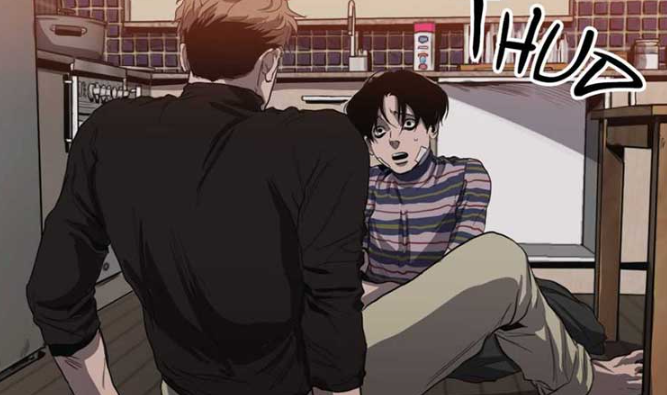
In webtoon-style publishing, “episodes” usually means serialized chapters, released weekly or in seasons. That is why readers often talk about “Episode 1, Episode 2,” even though the work is a comic. For Killing Stalking, the commonly cited core run is 67 episodes (chapters), but you may see different totals depending on where you read and how the platform packages content.
There are a few reasons for the mismatch:
Platform packaging and extras. Some services bundle side content, special chapters, prologues, epilogues, or author notes as separate entries. Others embed them into a final episode or a “special” section. If you are comparing counts across Lezhin-style listings, fan indexes, and reposted archives, the totals can drift.
Season breaks and re-listing. Some platforms split longer works into seasons. If a title gets re-uploaded, re-licensed, or reorganized, the same chapter can be renumbered or grouped differently. That is particularly common with mature titles that may undergo content gating, warning screens, or editorial adjustments.
Translations and mirror sites. Unofficial mirrors sometimes omit content, reorder chapters, or label interludes inconsistently. That can make it look like there are fewer or more “episodes” than the official run.
If you want the cleanest reading experience, treat the episode count as a planning tool, not a trivia contest. The more important question is whether you are comfortable with the series’ tone and content warnings, because Killing Stalking is less a “bingeable romance” and more a sustained psychological pressure cooker.
Is killing stalking BL? The genre truth, stripped of marketing noise
Is killing stalking BL? It is BL-adjacent in content and frequently tagged as BL or yaoi, but its dominant genre function is psychological thriller and horror. That distinction matters because BL as a category often carries reader expectations: romance arc, emotional intimacy that progresses through consent, and some form of relationship catharsis. Killing Stalking weaponizes those expectations and then moves in a different direction.
Here is the clearest way to frame it:
What makes people call it BL
It features two male leads in a relationship-coded dynamic, including attraction, intimacy, jealousy, obsession, and a central interpersonal focus. Many platforms and communities place it under BL, yaoi, or mature romance tags. In recommendation culture, it is often grouped with “dark BL” or “psychological BL,” which keeps it circulating in BL spaces.
What makes that label misleading
The narrative engine is not love or mutual bonding. It is captivity, coercion, manipulation, trauma, and survival. Romance conventions are used as bait and contrast, not as the story’s moral center. The reading experience is closer to a crime thriller than to a relationship journey.
The uncomfortable middle ground
Some fans argue that “BL” is simply “male-male content,” not necessarily healthy romance. Others argue that BL implies romantic framing, which Killing Stalking does not reliably provide. That is why the debate never dies: people are arguing from different definitions of the label.
If you want a practical takeaway, use this: Killing Stalking contains BL elements, but recommending it as BL without qualifiers is inaccurate and potentially harmful. The best description is “psychological thriller/horror with male-male relationship elements,” paired with clear trigger warnings.
Shocking truth 1: The “romance” framing can distort what the story is actually doing
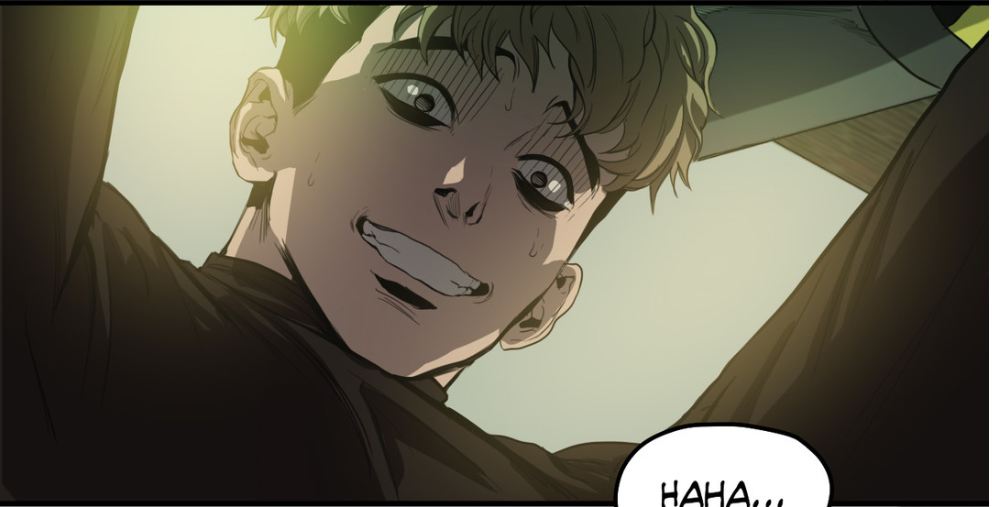
One reason Killing Stalking sparks constant conflict is that readers come in with different mental models. If you approach it expecting a romance manhwa, you may misread the story’s intent and the severity of its themes. The series leans heavily into toxic relationship dynamics, but it does not present them as a playful trope. It presents them as an escalating crisis.
The relationship dynamic includes themes that, in many works, would require explicit content warnings: physical violence, psychological abuse, sexual coercion, stalking behavior, and power imbalance. Those are not “spicy enemies-to-lovers beats.” They are the story’s core tension. When fans romanticize scenes or turn the leads into a conventional “ship,” it can flatten the narrative into something it is not and minimize the depiction of harm.
This is also where online discourse becomes messy. Some readers insist that dark fiction is allowed to be dark, and that a story can explore abuse without endorsing it. That is true. The problem is not that the story is intense. The problem is how it is recommended. When someone says “read it for the chemistry,” a new reader may interpret that as “hot dark romance,” then be blindsided by horror-level distress.
If you are writing about the series, the responsible approach is to separate three ideas clearly: (1) the presence of male-male content, (2) the psychological thriller framing, and (3) the difference between depicting harm and endorsing it. Doing that does not ruin the story. It prevents genre confusion from turning into emotional ambush.
Shocking truth 2: Tags and platform categories are business tools, not moral truth
Many fans treat platform tags as if they are an objective verdict: “It is labeled BL, therefore it is BL.” In reality, tags are often a mix of discoverability strategy, catalog convenience, and audience targeting. They are designed to help platforms sell, not to settle debates.
BL and mature romance tags can function like a storefront sign. They bring in the readers most likely to click, binge, and pay for the next chapter. Psychological thriller tags can do the same, but they may reach a smaller audience than the massive BL discovery funnel. That does not mean a platform is lying. It means the platform is optimizing.
This is also why the same work can be described differently across communities:
- BL fandom emphasizes relationship focus and male-male content.
- Horror and thriller readers emphasize suspense, dread, and violence.
- Mental health discussions emphasize trauma cues, manipulation, and triggers.
- Critics emphasize narrative framing and ethical clarity.
None of these lenses is automatically “wrong,” but they lead to different recommendations. If you are using ComicK or any other catalog-driven site to explore genres, remember that listings and tags are not a substitute for content understanding. They are a starting point.
A good habit is to treat tags as a two-step filter. Step one: “Is this in the neighborhood of what I want?” Step two: “What is the tone and boundary level?” For Killing Stalking, step two is the dealbreaker for many readers, and it should be.
Shocking truth 3: The controversy is not only about labels, it is about reader safety
The genre debate is not just semantic. It has a safety dimension. When a series contains explicit abuse, many readers need a clear warning to make an informed choice. If the work is recommended as “popular BL,” a newcomer may assume it sits near standard BL romance expectations. That mismatch can lead to distress, especially for readers with personal trauma history.
This is why the phrase “read responsibly” matters here more than it does for most webtoons. Killing Stalking is often discussed alongside terms like psychological horror, dark romance, Stockholm syndrome, captivity narrative, and obsession thriller. Each of those signals high intensity. Many BL romance spaces, however, are optimized for comfort reads, slow burn couples, and emotional healing arcs. Mixing these ecosystems without disclaimers causes predictable harm.
The fan community also amplifies extremes. Social media edits can turn the story into aestheticized “vibes,” separating moments from context. Reaction threads can minimize severity through jokes. Shipping discourse can reduce abuse to “they are meant to be.” None of those behaviors is unique to this fandom, but the stakes are higher when the content includes sexual violence and coercion.
If you are publishing an article or making recommendations, the best practice is simple: be explicit about the presence of abuse and the thriller framing. You can still analyze themes, character psychology, and narrative tension. You just do not package it as a romance-first BL without guardrails.
Shocking truth 4: The series went viral because it is engineered for binge pressure
Killing Stalking is structurally built to keep you reading, even when you want to look away. That is not accidental. It uses high-retention webtoon techniques that are common in thrillers:
Cliffhanger discipline. Episodes end on a reveal, threat, reversal, or escalation. Even “quiet” chapters often carry an unresolved danger that forces a next-click.
Controlled information. You rarely get the full truth at once. The story relies on partial disclosure, shifting perceptions, and unreliable expectations. That keeps suspense alive.
Tight setting and claustrophobia. A constrained environment intensifies dread. The story does not need a sprawling world. It needs pressure.
Character-driven tension. Horror works best when danger is personal. Here, threat is tied directly to relationship dynamics, not only external villains.
This architecture is why the series crosses genre borders. Thriller readers appreciate pacing. Horror readers appreciate dread. Some BL readers appreciate the relationship focus, even when it is deeply disturbing. The result is a larger total audience than any single label would capture.
If you discovered it because “everyone talks about it,” this is the underlying reason. It is not simply shock value. It is a retention machine, and the webtoon format amplifies that machine. Knowing this helps you decide whether to engage. A story can be compelling and still be a poor fit for your mental bandwidth.
Shocking truth 5: “BL” is not one thing, and the definition you use changes the answer
A major reason the debate persists is that BL is both a content descriptor and a genre expectation. Different communities emphasize different sides.
If BL means “a story featuring romantic or sexual content between male characters,” then Killing Stalking can fit. If BL means “a romance genre with relationship progression as the core arc,” then Killing Stalking is a poor fit, because the relationship is not framed as a healthy romantic journey. If BL means “media marketed primarily to BL audiences,” then platform tagging can justify the label, even if the narrative behaves like a thriller.
This ambiguity is not unique to Killing Stalking. It shows up in other edge cases: stories with queer subtext, stories with explicit male-male scenes but no romance arc, and thrillers where intimacy is part of manipulation.
For readers, the best approach is to avoid binary thinking. You can hold two truths:
- The work has BL elements and is often consumed in BL spaces.
- The work is primarily a psychological thriller/horror narrative where abuse is central.
This is also a practical SEO and recommendation lesson. People searching “Is killing stalking BL?” usually want clarity, not ideology. They want to know whether it is appropriate to read as BL, what they are signing up for, and how to describe it to someone else. The clearest answer is a qualified yes: it is BL-adjacent and often labeled BL, but it is not a romance-first BL experience.
How to talk about and recommend it responsibly
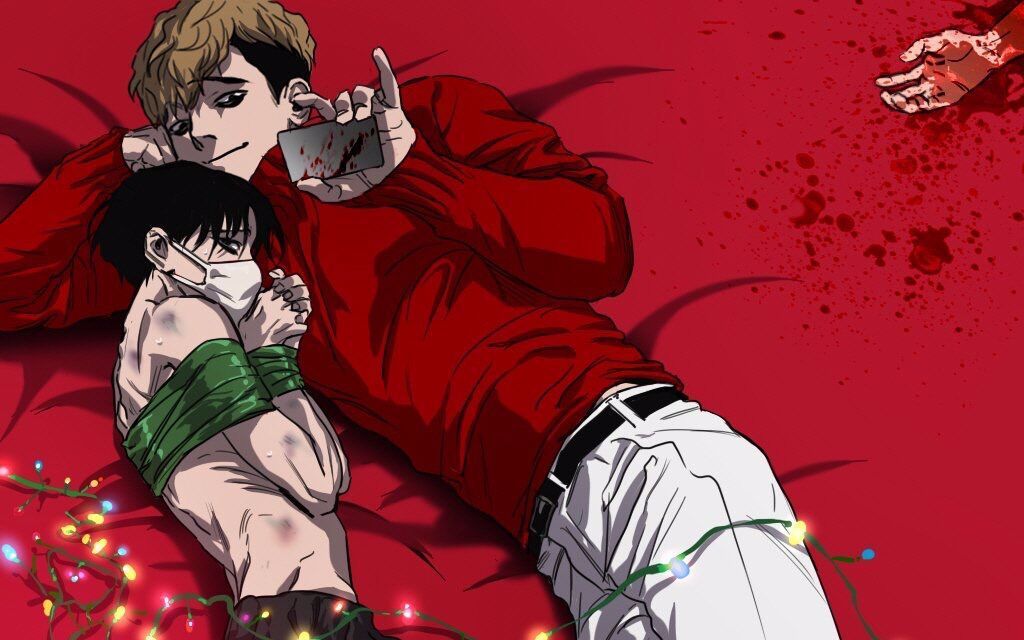
If you are writing a blog post, posting on social media, or answering a friend, you can be both accurate and brief. Responsible recommendation is about framing and warnings, not moralizing.
Use a two-part description
Lead with the dominant genre, then add the relationship element. For example: “psychological thriller/horror manhwa with male-male relationship elements.” This prevents romance-first assumptions.
State content warnings plainly
You do not need graphic detail, but you should mention the categories: violence, abuse, sexual coercion, stalking, manipulation, and mature themes. Readers can decide if they want to proceed.
Avoid romantic shorthand
Phrases like “great chemistry,” “hot couple,” or “enemies-to-lovers” can mislead. If you want to discuss character dynamics, use precise language: “obsession,” “control,” “trauma bond,” “coercive power.”
Recommend alternatives when appropriate
If someone wants BL romance, suggest a different title. If someone wants a thriller, you can offer other psychological horror manhwa that do not rely on romance framing.
Be careful with platforms and discovery
Catalog hubs like ComicK can help people discover titles quickly, but discovery is not the same as suitability. Encourage readers to check official listings, ratings, and warnings, and to choose based on comfort level.
Responsible framing protects readers and improves discourse. It also makes your content more credible because it signals that you understand the genre boundary problem instead of ignoring it.
If you want BL with intensity but less harm, here is how to choose better fits
Many readers search for Killing Stalking because they want intensity, suspense, or darker themes, not because they want abuse-centered content. If that is you, you can still find BL or BL-adjacent stories with strong tension that are less likely to blindside you.
Start by picking the kind of intensity you actually want:
Thriller intensity: mystery, danger, stakes, plot twists, survival pressure.
Romance intensity: slow burn longing, rivals energy, jealousy, emotional vulnerability.
Psychological intensity: mental chess, obsession themes, moral ambiguity, character studies.
Then filter by relationship framing:
- If you want romance-first BL, look for stories marketed as romance with clear consent norms and emotional growth.
- If you want thriller-first with queer elements, look for explicit thriller tags and reader warnings, so you are not relying on BL labels to predict tone.
Finally, use reading hygiene:
- Read a synopsis beyond the first paragraph.
- Scan warnings and age ratings.
- Sample a few early chapters to test the vibe.
- Stop early if the content feels dysregulating. “Popular” is not a reason to push through.
Discovery tools such as ComicK are useful for building a shortlist quickly, but your final decision should be based on tone and warnings, not hype. The best reading experience is not the one everyone talks about. It is the one that matches your boundaries and delivers the kind of narrative payoff you actually enjoy.
FAQ
1) Is killing stalking BL?
It is often labeled BL and contains male-male relationship elements, but it functions primarily as a psychological thriller/horror.
2) How many episodes does Killing Stalking have?
The core run is commonly listed as 67 episodes (chapters), with totals varying by edition due to extras.
3) Is Killing Stalking a romance?
Not in the conventional genre sense. The central dynamic is driven by abuse, coercion, and survival tension.
4) Is it considered yaoi?
Some platforms and readers categorize it as yaoi due to explicit male-male content, but many also classify it as thriller/horror.
5) Is Killing Stalking appropriate for new BL readers?
Generally no. It is high-intensity and can be distressing without strong content-warning awareness.
6) Does the series contain explicit content?
Yes. It includes mature themes and scenes that many readers find disturbing.
7) Why is the genre label so controversial?
Because BL can mean “male-male content” to some, but “romance genre expectations” to others.
8) Is it “dark BL” done right?
It depends on your definition. As a thriller, many find it effective. As a romance recommendation, it is often misleading.
9) What should I read instead if I want healthy BL romance?
Look for romance-first BL titles with clear consent norms, communication, and character growth rather than coercion.
10) Where can I discover similar manhwa safely?
Use curated lists, official platform warnings, and discovery hubs like ComicK for browsing, then verify tone and content warnings before committing.
Conclusion
So, Is killing stalking BL? The most honest answer is “yes, but with critical qualifiers.” It contains BL elements and is frequently categorized as BL or yaoi for discoverability, yet its core identity is psychological thriller and horror built around coercion, manipulation, and trauma.
If you read it expecting a romance, you are likely to misunderstand the work and underestimate its intensity. If you read it as a thriller with male-male relationship content and strong trigger warnings, you will approach it with the right expectations.
For fans, writers, and recommenders, the responsibility is not to ban the label, but to frame the label accurately. That means leading with the thriller nature, stating warnings plainly, and pointing readers toward alternatives when they want romance-first BL. Popularity and controversy can coexist, but clarity is what keeps discussion credible and readers safe.
You may also like:
What is the most popular BL webtoon? 12 Must-Read Masterpieces With Insane Chemistry
Which is the most popular manhwa? 15 Explosive Hits Fans Can’t Stop Reading
Is BL getting more popular? 13 Must-Know Factors Fueling a Wild Rise

Jessica is a content editor at ComicK, with experience tracking and curating information from a wide range of Manga, Manhwa, and Manhua sources. Her editorial work focuses on objectivity, verifiable information, and meeting the needs of readers seeking reliable insights into the world of comics.