
The TV anime currently has 63 episodes, but the complete ending is in the manga’s final arc, where the Demon Slayer Corps defeats Muzan Kibutsuji in a brutal sunrise deadline battle and the story closes with a legacy-focused epilogue.
At ComicK, our team cross-checks arc structure, character outcomes, and adaptation progress so you get a clear, accurate ending breakdown without getting lost in vague summaries.
Next, you’ll find 11 epic answers that explain exactly what happens, how does Demon Slayer End and how the anime’s remaining adaptation is likely to be structured.
Where the anime stands now and why the ending answer comes from the manga
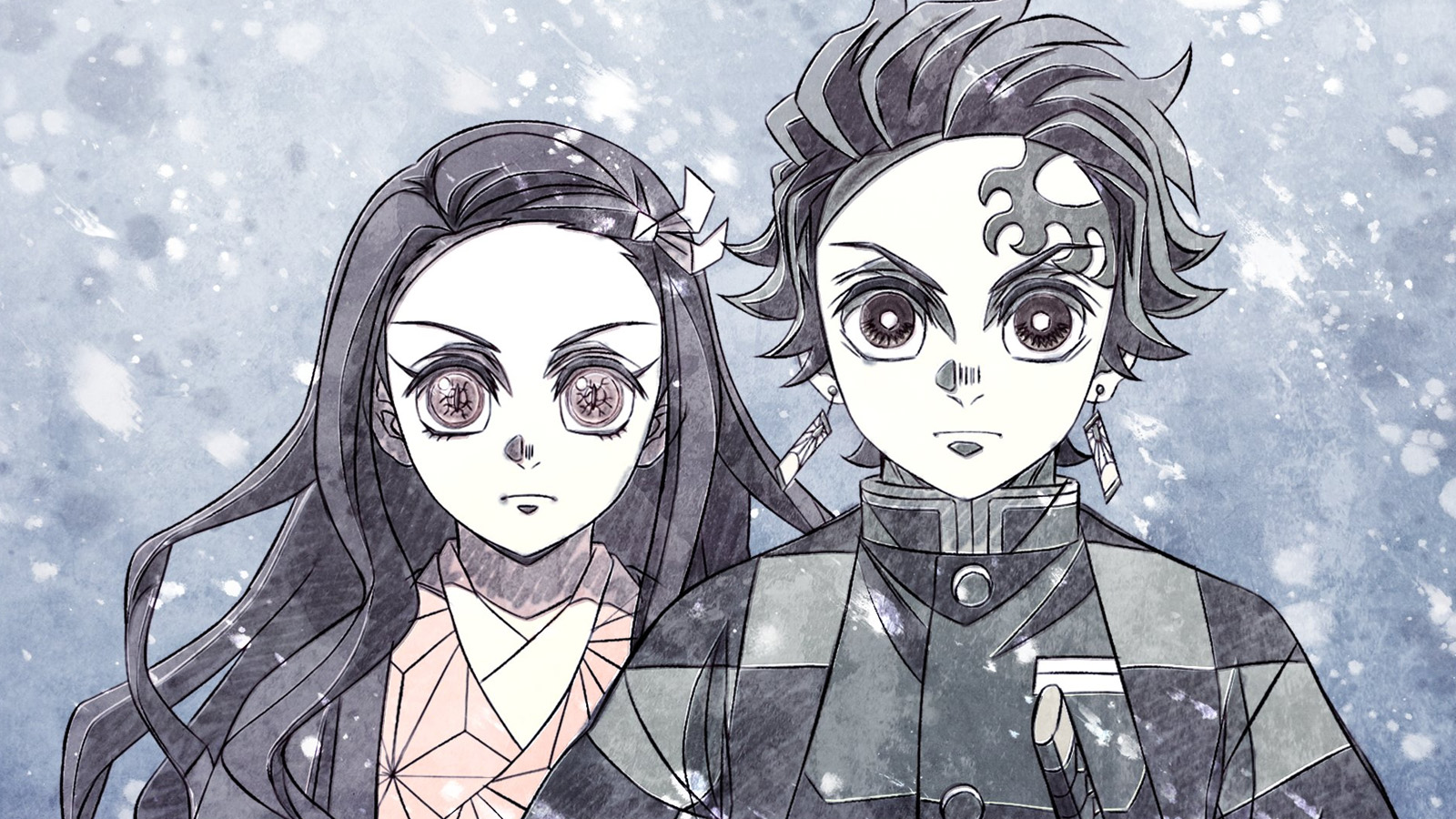
Before we talk about the ending, it helps to anchor what the anime has actually adapted. The TV anime has progressed through multiple arcs and currently totals 63 episodes.
It has not yet fully reached the manga’s final resolution in episodic TV form, which is why people who finish the available episodes still feel like the story is “in progress.”
Demon Slayer’s narrative is built like a staircase: each arc escalates stakes, skill, and moral cost. The show begins as a survival-driven revenge story in a Taisho-era world where humans are fragile, demons are predatory, and the Demon Slayer Corps is a last line of defense.
Over time, the series narrows its focus toward an inevitable endpoint: Muzan Kibutsuji is not just another villain, he is the root system. Once he is defeated, the entire demon ecosystem collapses.
This is important because it explains why the ending feels definitive. Demon Slayer is not structured like a forever franchise with infinite villains.
It is a finite war story with a central source of evil, a cure objective tied to Nezuko, and a corps leadership strategy tied to Kagaya Ubuyashiki’s long game. When you reach the final arc in the manga, the story is no longer “adventure.” It is an all-in campaign.
So when someone asks how Demon Slayer ends, the honest answer is: it ends when the war reaches Muzan’s stronghold, the Corps spends everything it has left, and the sunrise becomes the final clock that decides who lives.
How does Demon Slayer end in the manga? 11 epic answers that explain everything
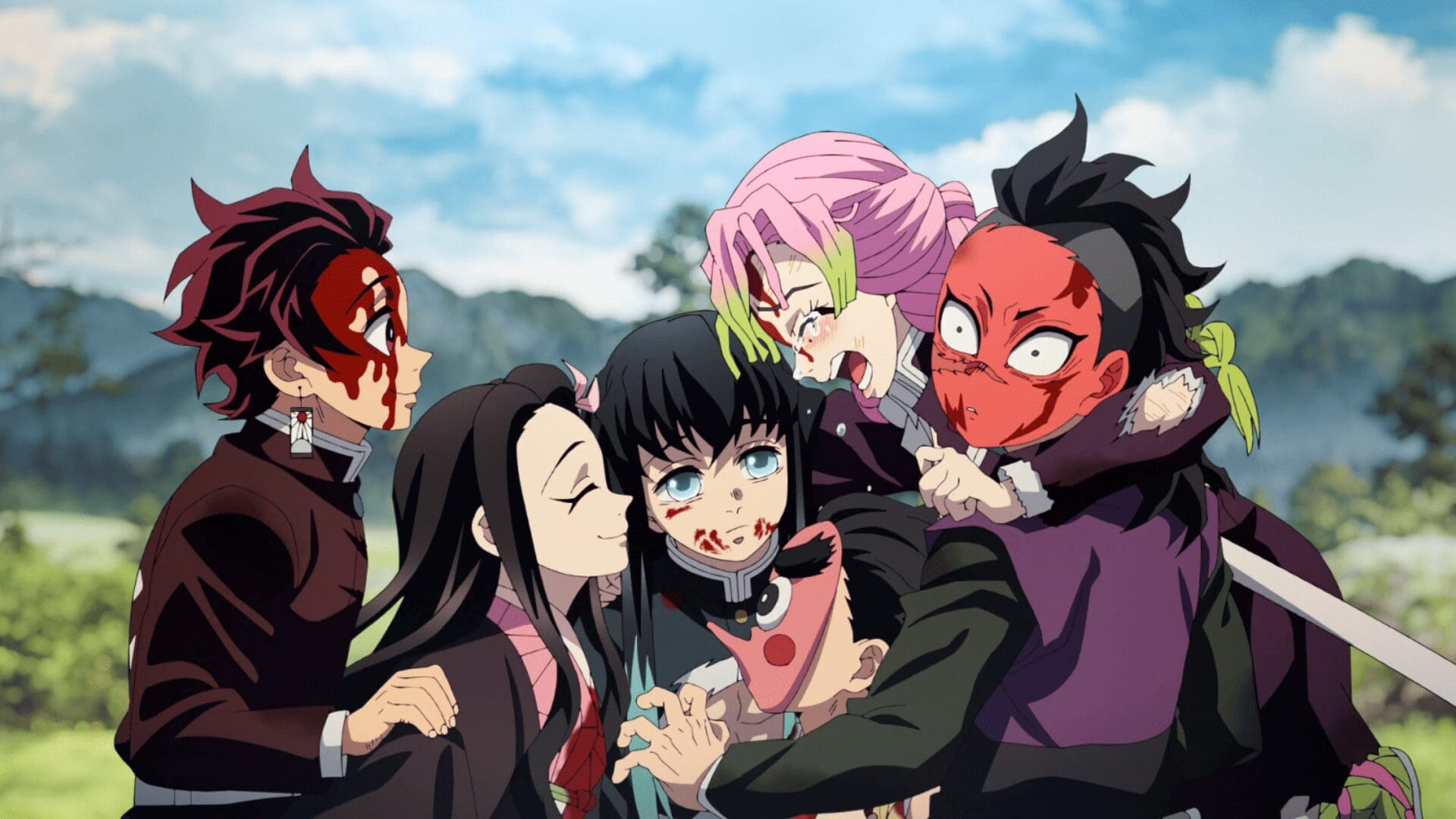
This is the clean, spoiler-complete explanation of how the story finishes in the manga, organized into 11 answers fans typically search for.
1) The final conflict moves into the Infinity Castle
The climax begins when the Demon Slayer Corps is drawn into Muzan’s domain, a shifting fortress designed to break formation, isolate fighters, and weaponize confusion.
2) The battle becomes a war of attrition, not a single duel
The ending is not “one hero wins.” It is layered combat where coordination, sacrifice, and timing matter as much as sword skill and breathing techniques.
3) Upper Rank threats are eliminated at enormous cost
Key demon commanders fall, but the series makes it clear that victory is purchased with lives, injuries, and irreversible losses.
4) Muzan is forced into a final confrontation
Once his defenses collapse, Muzan is pushed into direct conflict where his terror is not just strength, but speed, regeneration, and relentless adaptation.
5) The sunrise becomes the win condition
The Corps is not trying to “outpower” Muzan. The plan is to hold him long enough for sunlight to end him, turning the finale into a countdown.
6) Multiple characters suffer permanent consequences
The ending does not pretend war ends clean. Survivors carry scars, missing limbs, and trauma that outlast the battlefield.
7) Tanjiro pays a brutal personal price
Tanjiro’s body and spirit are pushed past normal limits, and the ending tests whether his humanity can survive what the enemy forces on him.
8) Nezuko’s humanity is central to the resolution
Nezuko’s cure is not a side note. It functions as proof that the demon condition can be reversed, which undercuts Muzan’s ideology.
9) Tamayo’s work changes the war
The series emphasizes that science and preparation matter. Muzan is not defeated by swordsmanship alone, but by cumulative strategy and prior sacrifices.
10) The Demon Slayer Corps effectively completes its purpose
Once Muzan is gone and the demon threat collapses, the Corps no longer has the same reason to exist, and the world begins to normalize.
11) The epilogue shifts to legacy, descendants, and reincarnation themes
The manga closes with a modern-era glimpse that suggests the pain of the past is not erased, but transformed into a future where ordinary life is possible again.
If you want the simplest one-line ending: Muzan is defeated by a coordinated human effort under a sunrise deadline, the cost is devastating, and the story ends by emphasizing peace and legacy rather than endless conflict.
The final arc structure: Infinity Castle and Sunrise Countdown in plain English
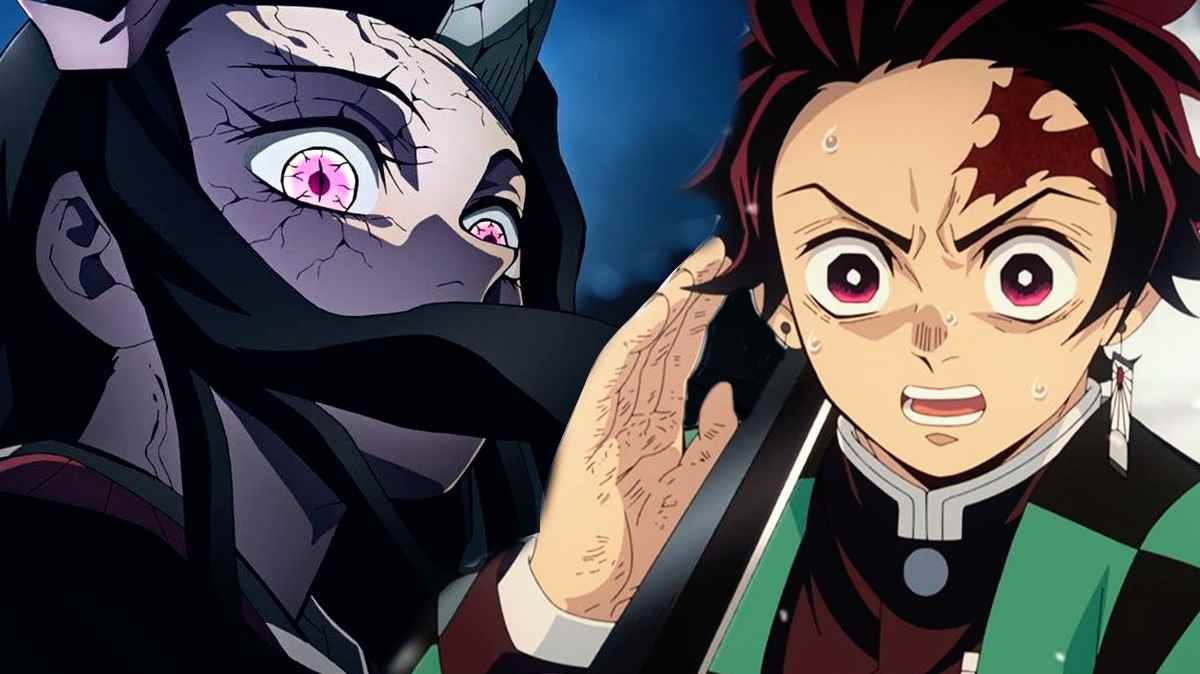
Demon Slayer’s ending is easier to understand when you see the final arc as two connected phases rather than one continuous blur of fighting. The Infinity Castle phase is the “chaos and separation” portion.
The castle’s purpose is tactical: it breaks units apart, forces one-on-one matchups, and turns geography into a weapon. Characters who fight best in teams are denied teamwork. Characters who rely on predictable spacing must adapt to shifting rooms and vertical movement.
From a storytelling standpoint, Infinity Castle is where the series closes loops: rivalries, mentorship arcs, and long-running character wounds are forced to resolve because there is no time left to postpone them.
The arc also spotlights the Corps’ depth. This is not only a Tanjiro story. It is a story about Hashira leadership, training systems, and the cost of keeping humanity alive in the dark.
The second phase is the Sunrise Countdown portion, where the war compresses into a single objective: keep Muzan from escaping until the sun rises. This is the emotional and thematic core of the ending.
Demon Slayer repeatedly frames sunlight as truth and safety, while night represents predation and fear. The finale literalizes that symbol. The ending is not “who has the flashiest technique.” It is “who can endure longer than the monster.”
This structure is also why the ending feels intense rather than complicated. Even when the fight choreography becomes wild, the audience always understands the victory condition. Hold the line. Buy seconds. Protect the weak. Keep him pinned. Every sacrifice becomes measurable against a clock.
Tanjiro’s ending: what he loses, what he keeps, and why it matters
Tanjiro’s ending lands hardest when you recognize what his character stands for. From the beginning, Tanjiro is defined by empathy in a world that punishes softness. He does not excuse demons, but he refuses to dehumanize suffering.
That moral stance becomes the series’ ultimate test: can someone remain humane when the final battle turns them into a tool?
In the climax, Tanjiro is pushed beyond physical endurance. His breathing, his swordsmanship, and his willpower are all strained under conditions designed to crush identity. The final conflict is not only about defeating Muzan.
It is about resisting Muzan’s worldview that power justifies everything and that humans are merely temporary fuel.
Tanjiro’s survival is not framed as a simple reward for being good. It is framed as something the entire community fights for. That includes comrades like Zenitsu and Inosuke, allies like Kanao, and the surviving Hashira who refuse to let the story end with the hero becoming another monster.
This is why the ending resonates with so many readers: it treats salvation as collective, not individual.
In practical terms, Tanjiro’s ending is bittersweet. He endures permanent consequences, and the future is not “back to normal.” Yet he keeps the core of what makes him Tanjiro: the ability to choose people over ego.
That is the real victory the manga protects. The blade wins the battle, but the heart wins the war.
Nezuko’s ending and the cure: the hope that defeats Muzan’s ideology
Nezuko is the story’s emotional thesis. Her condition is the reason Tanjiro enters the Corps, the reason he risks everything, and the reason the narrative never becomes a simple demon-hunting power ladder.
Nezuko is proof that the demon state is not a binary “evil forever” switch. That nuance is what Muzan cannot tolerate.
By the end, Nezuko’s humanity is restored, and the series treats this as more than a happy twist. It is a direct philosophical defeat for Muzan. Muzan’s immortality obsession is built on control: he wants absolute dominance over biology, death, and choice. A cure undermines the entire logic of his empire.
If demons can be reversed, then the demon condition is not divine power. It is a curse that can be treated, resisted, and ultimately ended.
The ending also recontextualizes earlier sacrifices. Tamayo’s research, Shinobu’s strategy, and the Corps’ long chain of knowledge transfer all become essential. Demon Slayer is often remembered for spectacle, but its final message is quietly pro-human: intelligence, collaboration, and compassion can outlast predation.
Nezuko’s restoration also allows the epilogue to be what it is. Without a cure, the story would end in permanent tragedy or permanent war. With a cure, the story can end with rebuilding. Nezuko becomes the living proof that the world can change, not just survive.
Muzan’s fate: why the final villain loses in a way that feels earned
Muzan Kibutsuji is not defeated because someone becomes stronger than him in a traditional shonen sense. He is defeated because the story designs a win condition he cannot out-adapt: sunlight, time, and the stubbornness of human cooperation.
Muzan’s power is terrifying precisely because it is flexible. He regenerates, mutates, and weaponizes speed. He is also psychologically built on contempt. He believes humans are fragile, replaceable, and incapable of sustained resistance. That contempt becomes his blind spot. He underestimates the Corps’ ability to endure, coordinate, and accept sacrifice as part of strategy.
The ending forces Muzan into a scenario where brute force is not enough. He has to escape. He has to outlast the clock. He has to break bodies faster than the sun can rise. In that context, every second the Corps buys is an ideological counterpunch: humans are not simply prey. Humans can plan. Humans can commit. Humans can endure longer than a predator expects.
It also matters that the ending exposes Muzan’s fear. For all his talk of perfection, he is terrified of death and obsessed with control. The finale strips that control away. He is dragged into a battle where the environment and time are enemies he cannot negotiate with.
In a well-constructed ending, the villain loses by the rules the story established. Demon Slayer does that. Muzan loses because the sun is the series’ ultimate truth, and the Corps turns that truth into a weapon.
Hashira and Corps sacrifices: who survives, who falls, and the cost of victory
Demon Slayer’s ending is famous for refusing to protect its strongest characters with plot armor. The final arc treats the Hashira and elite fighters as human beings first and combat assets second. That means people die, and the deaths are not decorative. They are strategic costs.
In the final conflict, several key fighters fall, including major Hashira whose arcs were built around duty, guilt, and love. The manga uses these losses to emphasize a hard point: defeating Muzan is not a clean heroic duel. It is a war against an apex predator that has been refining its cruelty for centuries.
At the same time, not everyone dies. Some core fighters survive but are permanently changed. The survivors do not exit as triumphant superheroes. They exit as wounded people who have to learn how to exist in a world where their purpose was tied to constant violence. This is one of the most mature choices in the ending. Peace is not just a victory banner, it is a psychological transition.
The ending also makes room for secondary sacrifice. Not every death is a headline character. The Corps as an institution bleeds. Support roles, trainees, and non-legendary slayers are part of the cost. That detail matters because it prevents the finale from feeling like a “boss fight” story. It feels like the end of an era.
If you want the emotional summary: the Corps wins, but it wins the way real wars end. With names missing from the roll call, and survivors carrying the weight of those who did not make it to sunrise.
The epilogue: modern descendants, reincarnation themes, and what happens after the war
After a finale that is intensely violent, Demon Slayer chooses a closing note that is surprisingly gentle: legacy. The manga’s epilogue shifts away from the Taisho-era battlefield into a modern setting where echoes of the past appear through descendants and reincarnation-like parallels.
This epilogue does not exist to tease sequels. It exists to answer a thematic question: what is the point of sacrifice if the world never becomes normal? The modern era scenes imply that the survivors’ suffering mattered because it created a future where ordinary life is possible. People can argue, fall in love, go to school, and worry about everyday problems instead of demons in the night.
It also gives closure to the idea of inherited will. Demon Slayer is full of mentorship: Hashira training, breathing styles passed down, and the Corps’ leadership chain. The epilogue reframes inheritance as something healthier. Instead of inheriting war, the future inherits peace.
Another important detail is what the epilogue does not do. It does not romanticize the past. It does not pretend the final arc was “worth it” in a simplistic way. It simply shows that the world moved forward. That is a realistic kind of hope: not a perfect ending, but a continuing life.
For many fans, this is why the ending feels complete. The villain is defeated, the system that created demons collapses, the Corps no longer needs to exist in the same form, and the story closes the loop by showing a world that finally gets daylight.
How the anime will likely adapt the ending and how to watch without confusion
Because the anime has not fully adapted the manga’s ending in TV episodes yet, many viewers are trying to plan ahead. The key is to distinguish between content that is already available in episodic form and content that will arrive as theatrical releases and later streaming windows. This is where fans get tripped up by platform labels.
First, keep a simple tracker: the TV anime currently totals 63 episodes. If a streaming service shows a different season count, it is usually packaging, not extra story. Track by episode numbers and arc names, not “Season 5” or “Season 6” labels that vary by region.
Second, expect the ending to be structured around the final arc phases described above. Whether it arrives in films, special episodes, or a future season package, the story beats remain the same: Infinity Castle escalation, then a Sunrise Countdown finale, then an epilogue. Knowing that structure helps you avoid confusion when marketing uses different titles.
Third, protect yourself from spoiler leaks. The closer the anime gets to the finale, the more untagged spoilers appear in thumbnails, short-form clips, and comment sections. If you want to experience the ending through animation first, avoid searching character fates and avoid “ending explained” videos until you finish the final installment.
Finally, set expectations about tone. The ending is not a victory lap. It is heavy, sacrifice-driven, and emotionally raw. Demon Slayer will likely lean into cinematic direction and music to amplify this, which is why many fans are eager to see how key moments will be staged.
If you want more spoiler-aware planning guides like this, ComicK’s simplest recommendation is the one that always works: track by arc and episode count, then follow official release formats as they arrive, without trusting inconsistent season labels.
FAQ: quick, direct answers about the Demon Slayer ending
1) How many Demon Slayer episodes are there right now?
There are 63 TV episodes across released seasons and TV-arc adaptations.
2) How does Demon Slayer end in one sentence?
Muzan is defeated through a coordinated effort to hold him until sunrise, the cost is devastating, and the story closes with peace and legacy.
3) Does Tanjiro survive at the end?
Yes, Tanjiro survives, but he carries lasting consequences from the final battle.
4) Does Nezuko become human again?
Yes, Nezuko regains her humanity, and the cure becomes central to the ending’s meaning.
5) Is Muzan defeated by a single character?
No, Muzan is defeated by collective strategy, sacrifice, and the sunrise win condition.
6) Do the Hashira all survive?
No, several Hashira die in the final arc, and survivors are permanently changed.
7) What happens to the Demon Slayer Corps after the ending?
With the demon threat gone, the Corps’ purpose is completed and the world begins to normalize.
8) Is the ending happy or sad?
It is bittersweet: the war ends, but the cost is real and the losses are permanent.
9) Does the manga show a time skip?
Yes, the epilogue shifts to a modern era focused on descendants and legacy themes.
10) Has the anime fully adapted the ending yet?
No, the complete ending is in the manga, and the anime’s full adaptation depends on upcoming release formats.
Conclusion
Demon Slayer currently has 63 TV episodes, but the full answer to how does demon slayer end comes from the manga’s final arc: the Corps forces Muzan into a sunrise deadline, wins through collective endurance and preparation, and then closes the story with an epilogue that emphasizes peace, descendants, and the long-term value of sacrifice.
What makes the ending work is not only spectacle. It is structure and theme: night versus sunlight, immortality versus humanity, selfish control versus shared responsibility.
If you revisit the story with that lens, the finale stops feeling like a pile of fights and starts feeling like the inevitable conclusion of everything the series promised from episode one. And if you want a clean way to follow the adaptation path without getting lost, ComicK’s rule remains the most practical: track by arc and episode count, not streaming season labels.
You may also like:
When Will One Piece Manga End? 4 Explosive Hints That Point to the Finish Line
When Is Demon Slayer Come Out? 10 Must-Know Announcements to Watch For
Who Animated Demon Slayer? 9 Must-Know Secrets Fans Will Love

Jessica is a content editor at ComicK, with experience tracking and curating information from a wide range of Manga, Manhwa, and Manhua sources. Her editorial work focuses on objectivity, verifiable information, and meeting the needs of readers seeking reliable insights into the world of comics.