
The anime is animated by ufotable, and the TV series currently totals 63 episodes across its released seasons and TV-arc adaptations.
At ComicK, our team cross-checks official studio credits and production breakdowns to explain why Demon Slayer’s visuals feel so cinematic, from compositing and lighting to choreography clarity and 2D plus 3D integration. Next, you’ll learn the real craft secrets behind its signature look and the key production choices that make its action and atmosphere stand out.
Who animated demon slayer and why ufotable was the perfect match
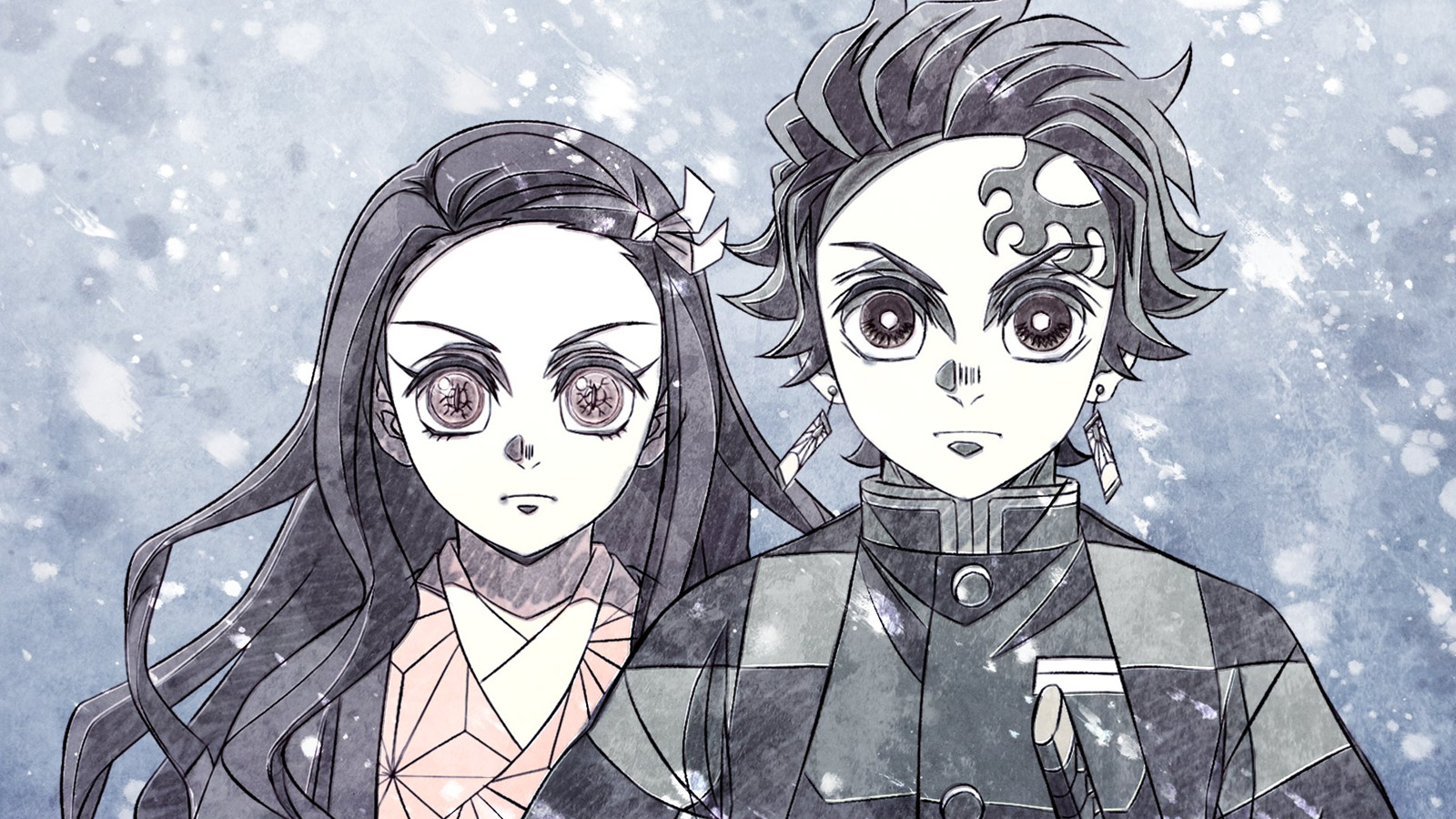
The short answer is ufotable, a studio known for meticulous compositing, crisp action readability, and a “film grammar” approach to TV anime. The longer answer is that Demon Slayer was not just animated by a studio, it was shaped by a production identity that fits the material unusually well.
Demon Slayer’s story has three animation demands that many series struggle to balance at the same time. First, it needs character acting that sells emotion: Tanjiro’s compassion, Nezuko’s ferocity, Zenitsu’s panic, Inosuke’s physical comedy, and the quiet intensity of the Hashira.
Second, it needs choreography clarity: fights that are fast but not confusing, with breathing styles that remain visually distinct. Third, it needs atmosphere: a Taisho-era mood with night lighting, snow, lantern glow, and the unsettling presence of demons like Muzan Kibutsuji.
Ufotable’s strengths align with those requirements. The studio is famous for making scenes feel “shot,” not merely “drawn,” using camera movement, layered effects, and controlled color design. That approach makes sword arcs, particle effects, and breathing-style visuals feel integrated rather than pasted on.
A crucial detail many fans miss is that anime quality is rarely just “more money.” It is systems: how the storyboard is planned, how layouts support compositing, how key animators are deployed, and how the final pass ties everything together.
Demon Slayer looks premium because the production treats television episodes with near-theatrical discipline.
Secret #1: Demon Slayer’s “wow factor” is compositing, not only drawing
If you want the simplest explanation for why Demon Slayer looks different, start with compositing: the final stage where animation, backgrounds, lighting, particles, and camera effects are layered into a cohesive shot.
The ufotable look: Why Demon Slayer feels cinematic on a TV schedule
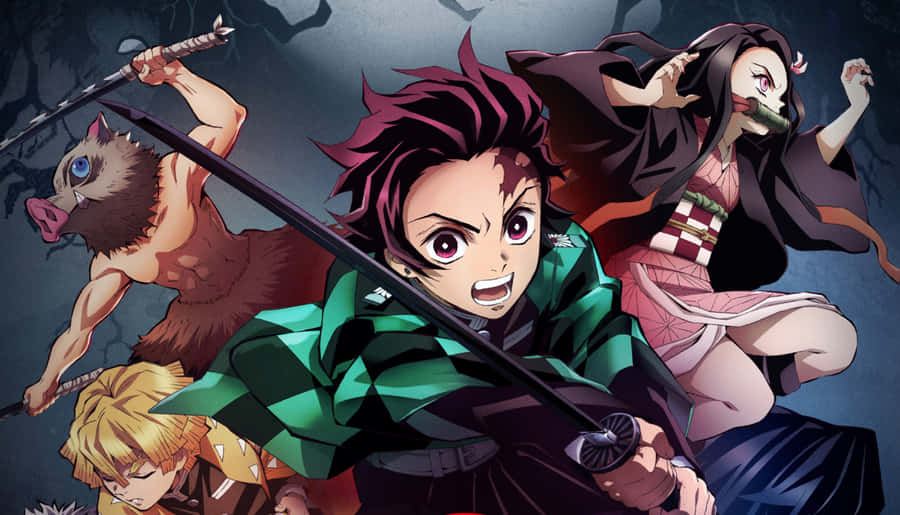
Many anime have great drawings. Fewer have great “cinematography.” Demon Slayer often feels like live-action film language translated into animation, and that is where ufotable’s identity is most visible.
The studio’s signature is the way it treats scenes as camera setups. Shots frequently use depth, foreground framing, and controlled focus to guide your eye. A close-up lands because the background falls away.
A wide shot reads because the environment has dimensional structure. Even quiet dialogue scenes often have subtle camera drift that makes the world feel alive rather than stage-flat.
Lighting is the second pillar. Demon Slayer regularly uses strong light sources: moonlight, lanterns, fire, snow glare, dawn haze. The lighting is not random gloss. It is used to heighten mood and clarify forms.
That matters in combat scenes where speed can turn characters into visual noise. Good lighting creates separation between blades, bodies, and backgrounds.
Then come the effects: water, flame, mist, sparks, debris. Fans debate whether breathing-style visuals are literal or stylistic, but for animation craft the key is consistency. Effects are timed and layered to reinforce motion arcs, not distract from them.
When Tanjiro swings, you feel the weight because the effects obey the motion rather than replacing it.
Finally, Demon Slayer benefits from disciplined color design and background art that supports emotion. Cold palettes sharpen tension. Warm palettes soften intimacy.
This is especially obvious when you compare arcs like Mugen Train, Entertainment District, Swordsmith Village, and Hashira Training. The series changes mood, but the visual language remains coherent.
Secret #2: “Sakuga moments” are planned, not accidental
The most viral sequences are usually “budgeted” in time and staffing during pre-production. They are the result of intentional allocation, not last-minute magic.
The real team behind the magic: key roles fans should recognize

When people ask who animated Demon Slayer, they often imagine a single studio logo doing everything. In reality, anime is an orchestra: director, series composition, character design, animation direction, background art, color design, photography, editing, sound, and music all contribute to what you see and feel.
For Demon Slayer, several roles are especially consequential:
Direction and visual storytelling. The series direction maintains a balance between emotional stillness and explosive action. That balance is not trivial. It requires knowing when to let a facial expression hold, and when to accelerate into motion.
Character design and animation direction. Clean silhouettes and readable expressions are why Demon Slayer works even in chaotic scenes. Character design sets the “rules” for how faces, hair, clothing folds, and sword motion should look.
Animation direction then keeps those rules consistent across episodes and arcs, even when different key animators handle different cuts.
Music and sound. Demon Slayer’s soundtrack is a major part of its identity. The score elevates tension, transforms reveals into event moments, and supports the emotional weight of sacrifice. Sound design sells impact: footwork, blade contact, breathing, and environmental texture. Without this layer, even perfect drawings can feel flat.
Production and scheduling. The least glamorous part is often the most decisive. A series can have elite talent and still look uneven if the schedule collapses.
Demon Slayer’s consistency suggests strong production management: protecting key episodes, smoothing pipeline flow, and ensuring the final composite is not rushed.
At ComicK, we often describe Demon Slayer as “high craft across departments,” not only “high animation.” That is why the series still looks sharp in non-fight scenes, which is where many action shows quietly fall apart.
Secret #3: Consistency is a production choice
A show looks consistent when the pipeline is protected. That means fewer compromises at the end of the chain, where quality is hardest to fix.
From manga panel to sakuga: the Demon Slayer production pipeline explained
Understanding how Demon Slayer is animated is easier if you follow the pipeline from story to screen. This also explains why “who animated it” is not a single name but a structured team effort.
Step 1: Planning and scripts. The episode’s intent is defined: what emotional beat must land, what fight mechanics must be clear, what reveals must be paced. For a shonen adaptation, pacing choices matter because manga panels do not automatically translate into episode rhythm.
Step 2: Storyboards. This is where episodes are “directed” on paper. Shot composition, camera movement, timing, and transitions are established. Storyboards are often the difference between action that feels thrilling and action that feels messy.
Demon Slayer’s boards tend to prioritize readability: you understand where the sword is, where the threat is, and what the character’s decision is.
Step 3: Layouts. Layout artists translate boards into precise shot designs: perspective, staging, character placement, and background alignment. Good layouts make compositing easier because the scene’s spatial logic is stable.
Step 4: Key animation. Key animators create the main poses and motion beats. This is where personality lives: Tanjiro’s resolve, Nezuko’s snap power, Hashira confidence. The best key animation is not only smooth; it is expressive and intentional.
Step 5: In-between and cleanup. In-between artists create the frames that smooth the motion. Cleanup standardizes lines so the sequence matches the show’s design language.
Step 6: Coloring and background art. Digital paint, color keys, and backgrounds establish mood and depth. Demon Slayer’s backgrounds do not merely fill space; they support lighting and time-of-day logic.
Step 7: Compositing and photography. This is where layers become a finished shot: lighting effects, particles, camera moves, blur, grain, and depth cues. This stage is one of ufotable’s defining strengths.
Step 8: Editing and sound. Timing is finalized, music and sound effects are placed, and the emotional arc is reinforced.
Secret #4: The “final look” is built late in the chain
If you only judge a show by raw drawings, you miss where Demon Slayer gains its premium sheen: after the animation is already drawn.
2D meets 3D: how ufotable uses CGI without losing the hand-drawn feel
CGI in anime is controversial because it can look like a different medium dropped into a hand-drawn world. Demon Slayer often avoids that uncanny mismatch by using 3D strategically and then integrating it through compositing and careful art direction.
First, 3D is frequently used for camera movement and environment geometry, not for replacing the emotional core of character acting. Complex spaces like corridors, city streets, or moving structures benefit from 3D because they allow dynamic shots without breaking perspective. When done well, 3D becomes a scaffold that supports 2D performance.
Second, the show tends to keep faces and key emotional acting in 2D, which preserves warmth and expressiveness. Even when a shot uses 3D elements, the viewer’s attention is usually anchored to hand-drawn performance.
Third, integration matters more than the tool. Demon Slayer’s CGI is often graded, textured, and lit to match background art and the scene’s palette. That is a compositing success story. Many shows use CGI, but fewer make it feel like it belongs in the same light as the characters.
Finally, effects work bridges the gap. Smoke, sparks, mist, debris, and lighting overlays help blend layers into one coherent image. When you see a breathing-style effect interact with the environment, you perceive unity: the sword swing, the air movement, the particles, and the camera all agree.
Secret #5: CGI is used to expand staging, not replace acting
The most successful hybrid shots use 3D to enable a camera move while keeping character emotion and key motion beats in 2D.
Choreography, breathing styles, and readability: why the fights feel so clean
Demon Slayer’s action is memorable because it is readable. Many anime can animate fast motion, but speed alone is not excitement. Excitement comes from understanding the stakes and the logic of the fight: what the character is attempting, what the opponent threatens, and what changes from beat to beat.
A few craft choices make Demon Slayer fights unusually clean:
Clear silhouettes. Character designs remain readable at a glance. Capes, haori patterns, and Nichirin blades create distinct outlines, so you can track who is moving even in chaos.
Directional staging. Action often has a dominant direction. The camera may swing, but the motion arcs remain legible. That prevents “visual mush,” where everything moves but nothing communicates.
Effect discipline. The breathing-style visuals are powerful because they are timed to motion, not slapped on top. Effects emphasize impact points, blade arcs, and momentum transitions. They are punctuation, not the sentence itself.
Emotional beats inside combat. Demon Slayer frequently inserts micro-moments of fear, resolve, or sacrifice within action. These beats slow the viewer’s perception just enough to make the next burst of speed feel bigger.
Escalation structure. Fights build in layers. There is an initial exchange, a reveal, a counter, a cost, and a decisive shift. This structure keeps even extended sequences engaging because the viewer feels progress rather than repetition.
This is also why Demon Slayer fights hold up across arcs. Whether you are watching Mugen Train, Entertainment District, Swordsmith Village, or Hashira Training, the choreography is built around clarity and consequence, not random spectacle.
Secret #6: The best animation is decision-based
A great fight is a chain of decisions. Animation sells those decisions through staging, timing, and readable cause-and-effect.
Why Demon Slayer stays high quality across seasons and movies
Many long-running anime have uneven quality: a few spectacular episodes, then a noticeable dip. Demon Slayer’s reputation is different. While not every episode is designed to be a fireworks show, the baseline remains polished, and major moments often deliver.
That consistency typically comes from four operational choices:
1) Planned peaks. Studios assign extra resources to episodes with major fights or emotional climaxes. This is not cheating; it is smart production. The audience remembers peaks, but the peaks work only if the baseline is solid.
2) Stable visual language. Character design consistency, color keys, and compositing standards keep the show cohesive even when different teams animate different cuts.
3) Pipeline discipline. When scheduling collapses, the last stage suffers first: compositing, polish, and fixes. Demon Slayer’s finished look suggests that final stages are protected, which is often a sign of strong production planning.
4) Film advantages. Movies have more time per minute of animation, and they can push detail, lighting, and camera complexity further. That is why theatrical entries often feel even more “expensive.” The important part is that Demon Slayer’s TV series already aims for a film-like finish, so the jump is impressive but not jarring.
If you are watching via ComicK recommendations, one tip matters: do not judge the production only by viral clips. Look at quiet scenes, night shots, and dialogue episodes. Demon Slayer’s craft shows up there too, which is a hallmark of a high-functioning studio pipeline.
Secret #7: “Budget” is not the same as “quality”
Quality is the result of planning, staff allocation, and time management. Money helps, but pipeline control is what keeps results consistent.
FAQ: quick answers about who animated Demon Slayer
1) Who animated Demon Slayer?
The Demon Slayer anime adaptation was animated by ufotable.
2) How many Demon Slayer episodes are there right now?
There are 63 TV episodes across the released seasons and TV-arc adaptations.
3) Is Demon Slayer fully hand-drawn?
It is primarily 2D character animation, with selective 3D elements for environments, camera moves, and integration work.
4) Why does Demon Slayer look more cinematic than many anime?
Strong storyboards, high-level compositing, controlled lighting, and careful camera staging create a film-like feel.
5) Who created the original Demon Slayer story?
Demon Slayer is based on the manga by Koyoharu Gotouge.
6) Why do the breathing effects look so detailed?
They are layered effects and compositing choices timed to motion arcs to reinforce impact and momentum.
7) Do movies have better animation than the TV series?
Movies often have more time per minute and higher polish, but Demon Slayer’s TV baseline is already very high.
8) Is “ufotable” one person or a team?
It is a studio with many departments: direction, animation, backgrounds, color, compositing, editing, and production.
9) What is the best way to understand animation credits?
Look at episode staff lists: storyboard, animation director, key animation, and photography are especially informative.
10) Does Demon Slayer have filler episodes?
Compared to many long shonen series, Demon Slayer is generally known for minimal filler and focused arc adaptation.
Demon Slayer has 63 TV episodes so far, and who animated demon slayer comes down to a single studio name: ufotable. The deeper truth is that Demon Slayer’s visual impact is not a mystery technique.
It is the result of a disciplined pipeline where storyboards prioritize clarity, key animation emphasizes expressive decisions, 2D and 3D are blended with intent, and compositing turns raw frames into cinematic shots.
If you want to appreciate the craft even more, rewatch a few sequences with fresh eyes: look for silhouette clarity, lighting logic, and how effects follow motion rather than replace it.
And if you want more production breakdowns like this in a spoiler-aware format, ComicK will continue highlighting the teams and techniques that make standout anime feel unforgettable.
You may also like:
One Piece Manga Characters: 30 Legendary Icons You’ll Never Forget
When Will One Piece Manga End? 4 Explosive Hints That Point to the Finish Line
When Is Demon Slayer Come Out? 10 Must-Know Announcements to Watch For

Jessica is a content editor at ComicK, with experience tracking and curating information from a wide range of Manga, Manhwa, and Manhua sources. Her editorial work focuses on objectivity, verifiable information, and meeting the needs of readers seeking reliable insights into the world of comics.