
Chainsaw Man characters are brutal, psychologically complex figures that define the series through violence, control, fear, and raw human desire. From Denji’s survival-driven instincts to Makima’s terrifying embodiment of authority, these characters are not built to be heroes but to expose the darkest corners of humanity and power.
Written from long-term reading experience and deep character analysis by the ComicK team, this guide breaks down the most important Chainsaw Man characters with clarity, context, and narrative insight, helping readers quickly understand who matters, why they matter, and how they shape the story’s unforgettable impact. Dive in to explore the legends that made Chainsaw Man impossible to forget.
Why Chainsaw Man Characters Feel So Different
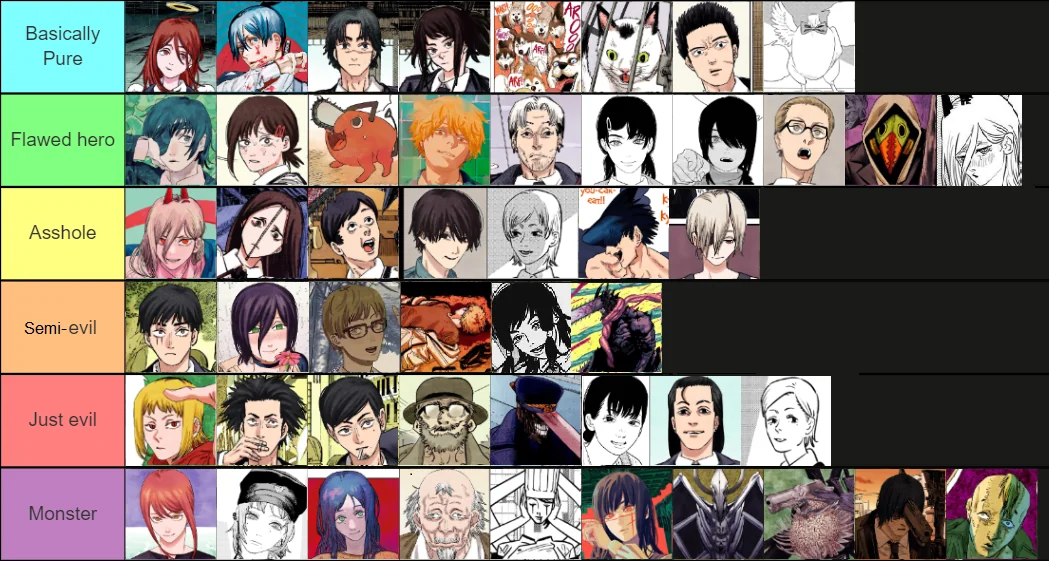
Unlike conventional shonen casts, Chainsaw Man characters are not designed to be aspirational heroes. They are:
- Psychologically damaged, often shaped by poverty, abuse, or existential fear.
- Morally unstable, making choices driven by survival rather than justice.
- Disposable, reinforcing a world where death is abrupt and rarely heroic.
From ComicK’s perspective as long-time manga readers, this cast succeeds because it mirrors real human impulses under extreme pressure, rather than idealized heroism.
Denji: The Anti-Hero Born From Nothing
Denji
Denji is the emotional and narrative core of Chainsaw Man. Raised in extreme poverty and burdened by his father’s debt, Denji begins the story with goals that are painfully basic: food, shelter, and physical intimacy.
Why Denji Works as a Protagonist
- Radical honesty: Denji openly admits selfish desires, breaking shonen norms.
- Emotional stunting: His lack of normal upbringing shapes his warped values.
- Gradual awakening: Across the story, Denji begins questioning whether his desires are truly his own.
Denji’s fusion with the Chainsaw Devil does not elevate him morally; it only amplifies the chaos already inside him.
Pochita: The Heart Behind the Chainsaw
Pochita
Pochita appears cute, but conceptually he is one of the most terrifying entities in the series. As the Chainsaw Devil, Pochita possesses the power to erase devils from existence by consuming them.
Narrative Significance
- Symbol of unconditional love: Pochita sacrifices everything for Denji.
- Cosmic threat: His true form destabilizes the devil hierarchy.
- Identity anchor: Denji’s humanity survives because of Pochita’s influence.
ComicK readers often point out that Pochita represents the only pure relationship Denji ever experiences.
Makima: Control Given Human Form
Makima
Makima is not simply an antagonist; she is the ideological engine of Chainsaw Man. Calm, composed, and horrifyingly manipulative, she embodies the terror of control disguised as care.
What Makes Makima Unforgettable
- Psychological domination over nearly every character.
- God-complex ideology driven by order and hierarchy.
- Weaponized affection, especially toward Denji.
Her presence reframes the entire narrative, turning earlier events into components of a long-term psychological experiment.
Power: Chaos, Ego, and Unexpected Loyalty
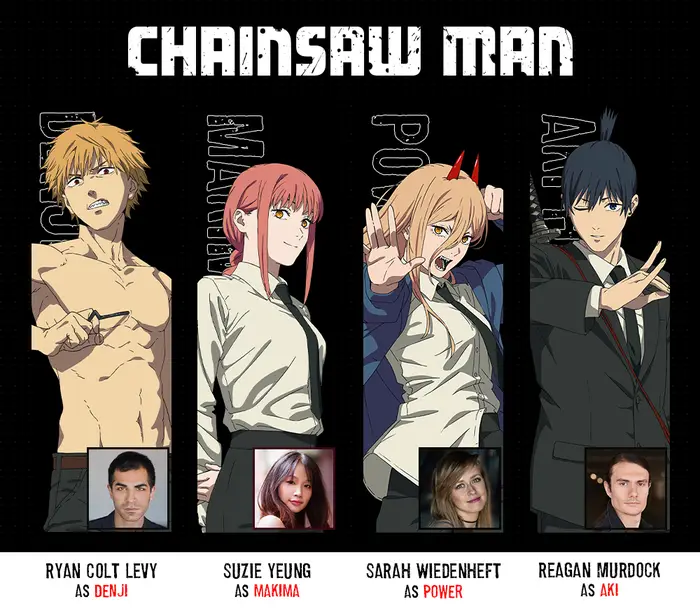
Power
Power begins as comic relief but evolves into one of the series’ emotional anchors. As a Blood Fiend, she is selfish, violent, and dishonest, yet deeply capable of attachment.
Power’s Character Arc
- Surface narcissism, masking profound fear.
- Trauma response, particularly after encounters with stronger devils.
- Found-family bond with Denji that feels authentic and earned.
From ComicK’s editorial experience, Power is often cited as the character whose death leaves the strongest emotional scar.
Aki Hayakawa: Tragedy in Slow Motion
Aki Hayakawa
Aki represents the cost of revenge. Structured, disciplined, and emotionally restrained, he is slowly consumed by the very system he believes will give his life meaning.
Why Aki Matters
- Foil to Denji, representing traditional shonen seriousness.
- Embodiment of sacrifice, trading lifespan for power.
- Narrative inevitability, with death woven into his arc from the start.
His transformation into the Gun Fiend is one of the most devastating moments in modern manga.
Himeno: Fear, Desire, and Regret
Himeno
Himeno’s role is brief but impactful. She illustrates the emotional toll of being a devil hunter and the quiet despair behind reckless behavior.
Key traits include:
- Alcohol-fueled escapism as a coping mechanism.
- Unspoken love for Aki, never fully realized.
- Total self-sacrifice, reinforcing the series’ fatalism.
Kobeni Higashiyama: Survival Through Cowardice
Kobeni Higashiyama
Kobeni survives not through strength but through fear. Her anxiety-driven instincts paradoxically keep her alive longer than more confident hunters.
Why Kobeni Resonates
- Authentic panic, reflecting realistic trauma responses.
- Dark humor, providing tonal contrast.
- Unexplained competence, hinting at hidden depth.
She represents survival without glory, a recurring Chainsaw Man theme.
Katana Man: Revenge Without Purpose
Katana Man
Katana Man mirrors Denji structurally but lacks emotional evolution. His obsession with revenge exposes the emptiness of cyclical violence.
Narratively, he serves as:
- A distorted reflection of Denji’s path.
- A critique of vengeance-driven identity.
- An early warning of what Denji could become.
Reze: Love as a Weapon
Reze
Reze’s arc is a masterclass in emotional manipulation and tragic timing. Her relationship with Denji blurs the line between genuine affection and professional deception.
Why Reze Is So Memorable
- Temporary normalcy, offering Denji a different life.
- Inevitable betrayal, driven by survival.
- Unfinished emotional closure, haunting both characters.
Angel Devil: Gentle Cruelty
Angel Devil
Despite his name, the Angel Devil is a walking embodiment of quiet tragedy. His touch drains lifespan, forcing isolation.
Key thematic roles:
- Passive nihilism, contrasting Makima’s active control.
- Involuntary cruelty, harming without intent.
- Lost innocence, revealed through fragmented memories.
Kishibe: The Last Professional Standing
Kishibe
Kishibe survives because he understands the system’s cruelty and refuses emotional attachment.
From ComicK’s analysis, Kishibe represents:
- Pragmatic resistance to authority.
- Experience over idealism.
- The cost of longevity in a disposable profession.
Quanxi: Strength Without Hesitation
Quanxi
Quanxi’s brief but explosive presence redefines power scaling. She kills efficiently, without speeches or hesitation.
Her significance lies in:
- Competence without spectacle.
- Loyalty to chosen companions.
- Globalizing the narrative, expanding the world beyond Japan.
Beam: Devotion Taken to Extremes
Beam
Beam worships Chainsaw Man with religious intensity. His faith-driven recklessness highlights how legends distort reality.
He functions as:
- Myth reinforcement within the story.
- Comic relief with consequences.
- A reminder of Chainsaw Man’s symbolic weight.
Santa Claus: Fragmented Evil
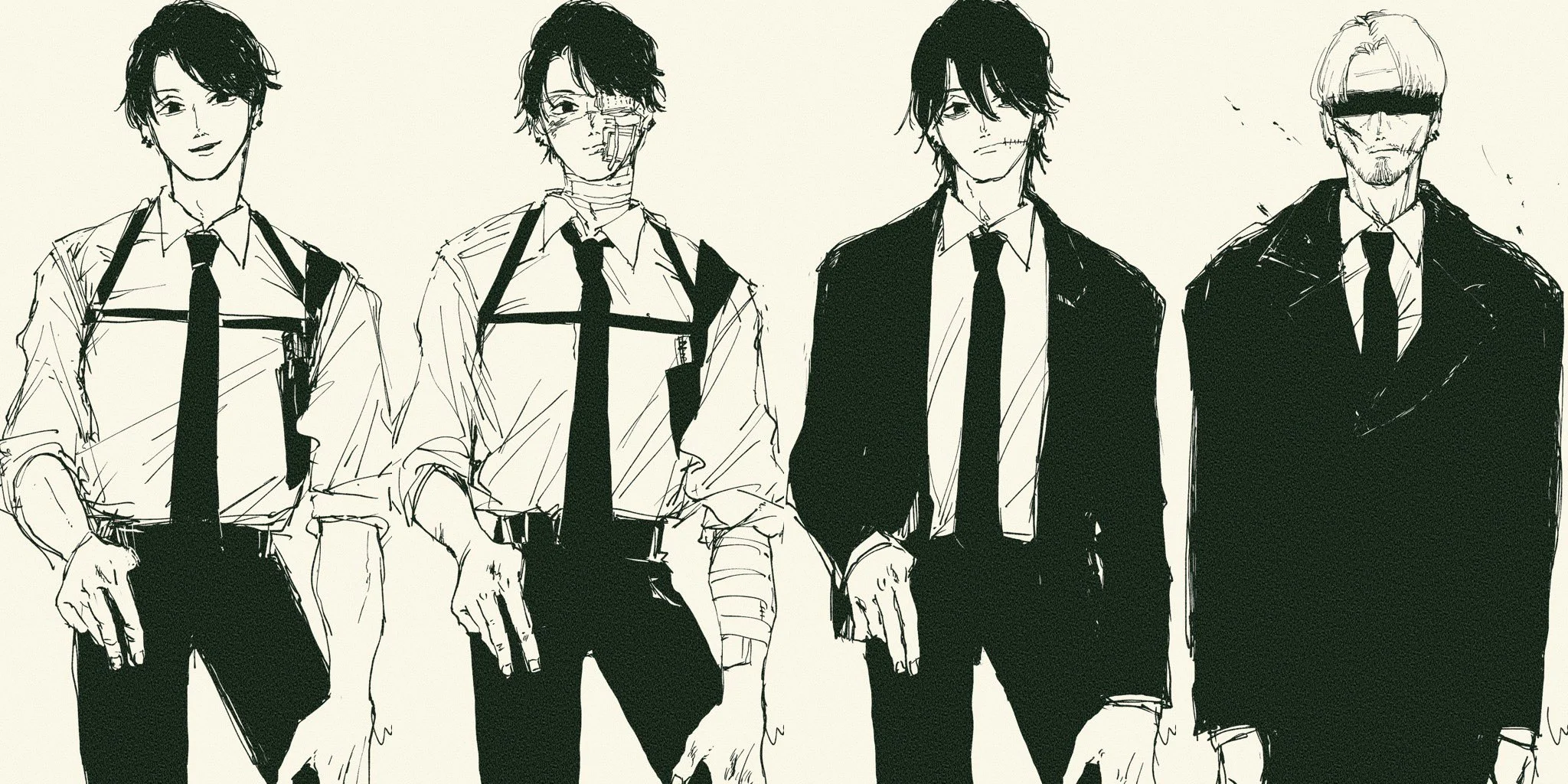
Santa Claus
Santa Claus is less a person and more a system of bodies and contracts. Her arc introduces cosmic horror into the narrative.
Key contributions:
- Decentralized identity, challenging individuality.
- Introduction of Darkness Devil, escalating stakes.
- Philosophical horror, questioning free will.
Gun Devil: Fear Made Manifest
Gun Devil
Though rarely seen directly, the Gun Devil’s influence shapes the entire world.
Its role includes:
- Structural fear, driving global politics.
- Mass trauma symbol, reflecting real-world anxieties.
- Narrative catalyst, motivating countless characters.
Why Chainsaw Man Characters Stay With You
From ComicK’s long-term editorial experience, Chainsaw Man characters linger because they are not resolved neatly. Their arcs end abruptly, painfully, or without closure, mirroring real human loss.
They are not designed to inspire comfort. They are designed to be remembered.
FAQ: Chainsaw Man Characters
What makes Chainsaw Man characters unique compared to other shonen?
They prioritize psychological realism, moral ambiguity, and emotional damage over heroism.
Who is the strongest character in Chainsaw Man?
Power-wise, the Chainsaw Devil and Control Devil operate on the highest conceptual level.
Is Makima truly evil?
Makima represents authoritarian order rather than traditional malice.
Why is Denji considered an anti-hero?
His motivations are selfish, survival-based, and emotionally immature.
Which Chainsaw Man character has the saddest death?
Aki Hayakawa’s death is widely considered the most tragic.
Are fiends and devils the same?
No. Fiends are devils possessing human corpses.
Why do so many characters die suddenly?
The story reinforces a world where death is random and unsentimental.
Is Chainsaw Man a horror manga?
It blends horror, action, and psychological drama.
Will Part 2 introduce new major characters?
Yes, Part 2 expands the cast while maintaining thematic continuity.
Why do fans connect so deeply with these characters?
Because their pain, fear, and desires feel uncomfortably human.
You may also like:
Michael Kaiser Age: 5 Brutal Reasons His “19” Changes Everything
Did Ego From Blue Lock Get Shot? 7 Shocking Facts That End the Rumor
Is Chainsaw Man Manga Over? 10 Explosive Details Behind the Rumors

Jessica is a content editor at ComicK, with experience tracking and curating information from a wide range of Manga, Manhwa, and Manhua sources. Her editorial work focuses on objectivity, verifiable information, and meeting the needs of readers seeking reliable insights into the world of comics.