
Looking for Dandadan characters and want the answer immediately? The story revolves around Momo Ayase and Ken “Okarun” Takakura, supported by key figures like Seiko Ayase, Turbo Granny, Aira Shiratori, Jin “Jiji” Enjoji, Evil Eye, Kinta Sakata, Vamola, and Rin Sawaki. This guide explains who each major character is, what role they play, and why they matter, so you can follow the cast easily while reading on ComicK.
Why Dandadan characters are so memorable
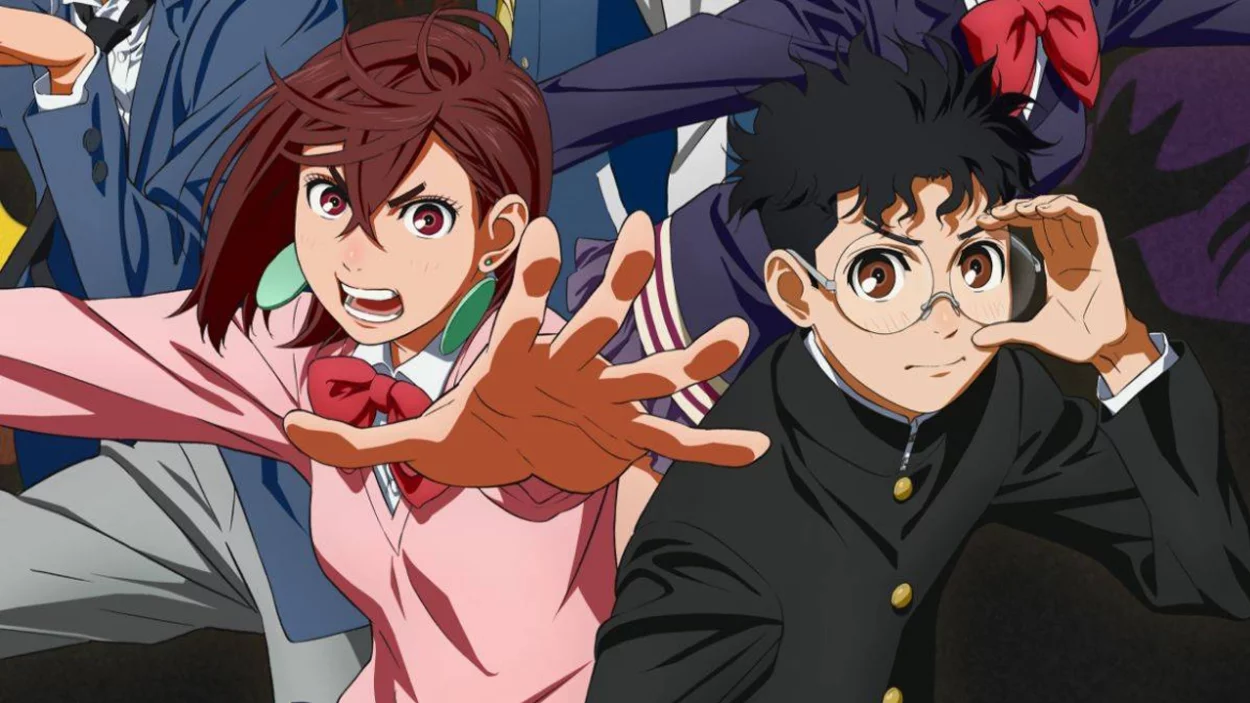
Many manga have a clear lane: either supernatural horror, alien sci-fi, school comedy, or romance. Dandadan does all of them at once and somehow still works. The reason it works is simple: the characters feel like real people trapped in an unreal world.
Dandadan characters stand out because they are not just “fighters with abilities.” They are:
- Teenagers with insecurities that do not vanish when the monsters show up
- Adults who look unserious until it is time to protect someone
- Spirits that are horrifying, then tragic, then weirdly loyal
- Aliens that feel both ridiculous and genuinely threatening
When readers search dandadan characters, they usually want two things:
- A clear “who is who” list
- Enough context to understand why each character keeps returning
This guide gives you both, without forcing you to pause your reading momentum.
The core Dandadan characters you must know
Momo Ayase
Momo Ayase is the emotional center of Dandadan. She is brave, blunt, and stubborn in a way that becomes essential because the story constantly tries to scare her into freezing. Momo’s personality anchors the series in human emotion even when the plot goes full chaos.
What makes Momo special is not only her power, but her refusal to be reduced to a stereotype. She is not “the calm psychic girl.” She is messy, reactive, protective, and sometimes petty, like a real teenager. When the stakes explode, she is the one who keeps moving.
Momo’s abilities develop into a signature style that feels physical and forceful, not soft or mystical. That matters because Dandadan’s fights are often frantic, and Momo’s presence gives the battles a sense of momentum and control.
Why Momo matters:
- She drives decisions rather than being dragged by plot
- She forms the emotional glue of the friend group
- She makes Dandadan’s romance and comedy feel believable
If you’re reading on ComicK, track Momo as the character who “pulls everyone into the same orbit.” When new characters arrive, the story often uses Momo as the social bridge.
Ken “Okarun” Takakura
Okarun is introduced as the classic shy occult nerd, but Dandadan quickly flips the expectation. Under pressure, he becomes one of the most intense combat presences in the cast, while still emotionally reading like a kid who never expected anyone to choose him.
Okarun’s charm is contrast:
- He is kind, awkward, and easily embarrassed
- His supernatural state can be frighteningly aggressive
- He is not confident, but he is persistent
His bond with Momo becomes the heart of the series. Dandadan does not treat their relationship as a simple “will they or won’t they.” It treats it like two teenagers stumbling into feelings while the universe tries to kill them.
Why Okarun matters:
- He embodies the series’ blend of comedy and horror
- His growth feels earned because it comes from fear, not ego
- He is the character most often used to show the cost of power
For ComicK readers, Okarun is also a pacing clue. When Okarun’s condition escalates, you are usually entering a higher-intensity arc.
Seiko Ayase
Seiko is Momo’s grandmother and one of the most important Dandadan characters overall. She acts like a chaotic adult who should not be responsible for anyone, then repeatedly proves she is one of the most competent protectors in the story.
Seiko’s role is larger than “mentor.” She provides:
- Knowledge of the spirit world
- Practical methods and countermeasures
- A home base that feels safe enough to breathe
- The adult presence that stops the manga from feeling like teens alone in an apocalypse
Seiko also keeps the tone from collapsing into constant despair. She can joke in the middle of terror, not because she is careless, but because she understands panic kills.
Why Seiko matters:
- She stabilizes the cast when the supernatural rules get complicated
- She prevents the story from becoming “kids solving everything alone”
- She expands the world beyond school corridors and teen drama
Turbo Granny
Turbo Granny is one of the series’ defining icons. She starts as a major threat and becomes a persistent presence that is never fully safe, even when she helps.
Turbo Granny is essential to Dandadan’s tone. She ensures the story never becomes too comfortable. Even in “friend group” moments, her energy reminds you that curses are still curses.
Why Turbo Granny matters:
- She keeps horror energy inside the main crew
- She provides unpredictable comedy without becoming harmless
- She reinforces the idea that power often comes with a nasty contract
Turbo Granny is also a perfect example of Dandadan’s writing style: the manga can take something grotesque and make it weirdly lovable without pretending it was never dangerous.
The expanding main crew
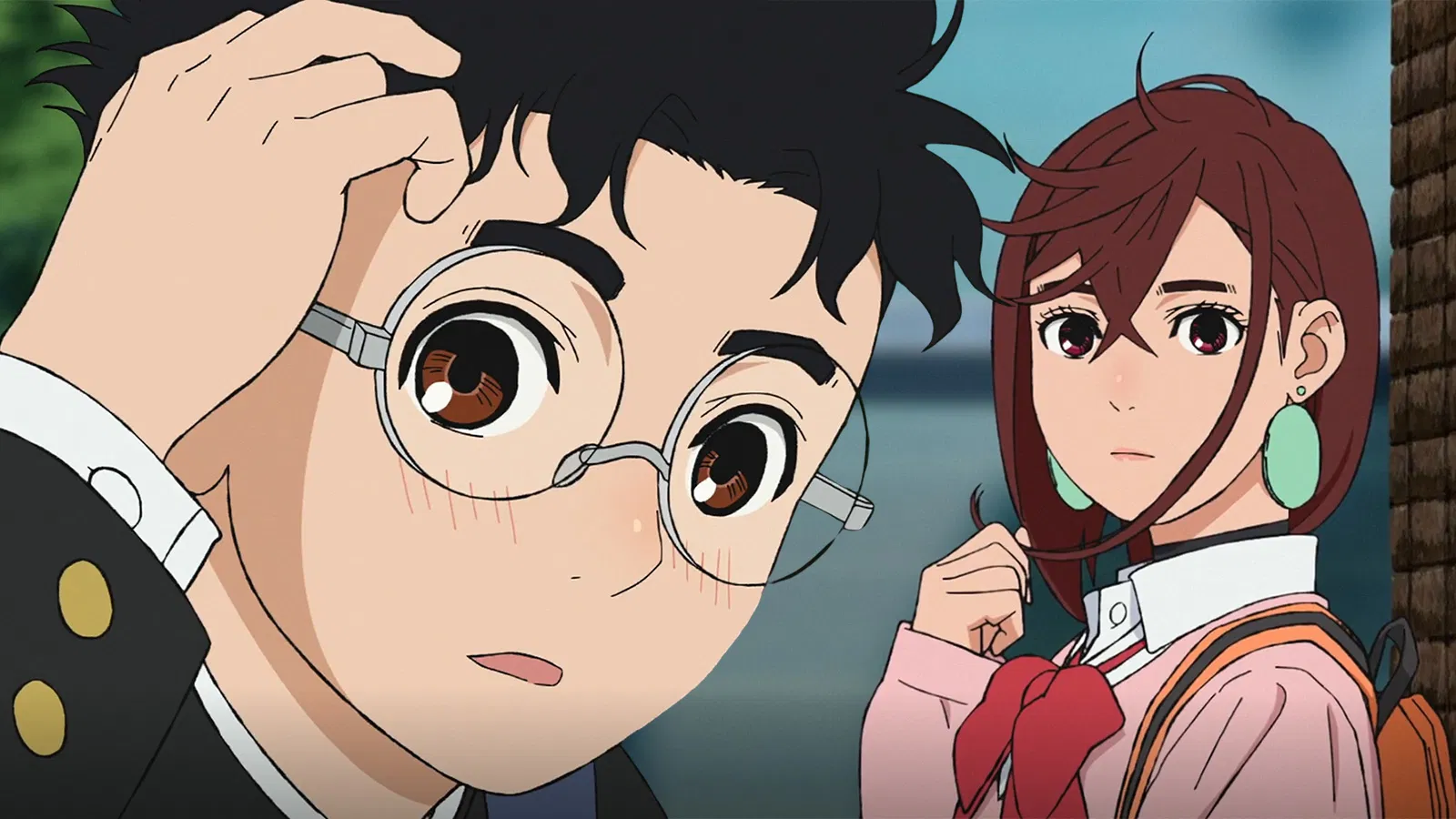
Aira Shiratori
Aira enters as a school idol type with “main character energy,” and that is exactly why she works. Her ego and need to be special create conflict, comedy, and genuine growth.
Aira’s arc is satisfying because she is not instantly redeemed. She is annoying, dramatic, and convinced she is the center of destiny. Over time, she becomes more loyal and courageous, but she never stops being Aira.
Why Aira matters:
- She adds rivalry and jealousy that feels like real teen tension
- She brings a different combat personality: flashy, fast, dramatic
- She makes the group dynamic messier, which makes it feel alive
If you are reading on ComicK and suddenly feel the story’s social energy spike, it is often because Aira is in the scene.
Jin “Jiji” Enjoji
Jiji is Momo’s childhood friend and the type of character who disrupts everything without meaning to. He shows up warm, loud, and socially fluent, instantly changing the balance between Momo and Okarun.
But Jiji is not just a love-triangle tool. He becomes deeply tied to one of the manga’s most intense supernatural storylines, where comedy turns into dread fast.
Why Jiji matters:
- He forces emotional truths out into the open
- His supernatural connection raises stakes for the whole group
- He adds a different style of masculinity than Okarun, without replacing him
Jiji’s presence often signals that the story is shifting from “monster encounters” into “ongoing cursed consequences.”
Evil Eye
Evil Eye is one of Dandadan’s most unsettling long-term presences. Instead of being a simple villain you defeat and forget, Evil Eye becomes a continuing problem the cast must manage.
This is where Dandadan shows maturity: sometimes you cannot delete a threat. Sometimes you have to contain it, negotiate with it, or survive around it.
Why Evil Eye matters:
- It transforms Jiji’s storyline into something heavier
- It keeps tension alive even between major arcs
- It reinforces that supernatural power is not clean, it is contaminated by history and pain
Evil Eye is also one reason Dandadan feels unpredictable. The story can be funny, then suddenly remind you that cruelty and tragedy built many of these curses.
Kinta Sakata
Kinta is the awkward classmate who becomes unexpectedly crucial. He represents one of Dandadan’s best ideas: imagination can become power in a world where alien tech and supernatural rules collide.
Kinta’s value is not just comic relief. He often contributes in moments where the team needs a different kind of thinking. He is impulsive, cringe at times, but also capable of seeing solutions others miss.
Why Kinta matters:
- He expands the cast from “duo plus mentor” into a true team
- He connects alien technology to human creativity
- He brings humor that does not undercut stakes, it sits beside them
Vamola
Vamola brings an alien context that expands the scale of the story. Her presence makes it clear that Dandadan’s universe is not only local ghosts and urban legends. There is a broader cosmic conflict, and the main cast is now tangled in it.
Vamola also adds a blunt “outsider learning humans” energy that creates both comedy and tension, especially when it overlaps with the existing relationship dynamics.
Why Vamola matters:
- She upgrades the sci-fi dimension of the manga
- She introduces new stakes tied to alien survival and identity
- She reshapes the group’s emotional ecosystem instantly
Rin Sawaki
Rin starts as the strict, composed “normal world” student type, then gets pulled into the supernatural mess like everyone else. Her appeal comes from contradiction: she wants order, but the story forces her into chaos.
Rin adds variety in both personality and ability expression. She is useful because she reacts differently than the more impulsive cast members.
Why Rin matters:
- She diversifies the group’s emotional reactions
- She brings a more controlled, rule-focused energy
- She proves that “normal” characters do not stay normal in Dandadan
Supporting school-life characters that keep Dandadan grounded
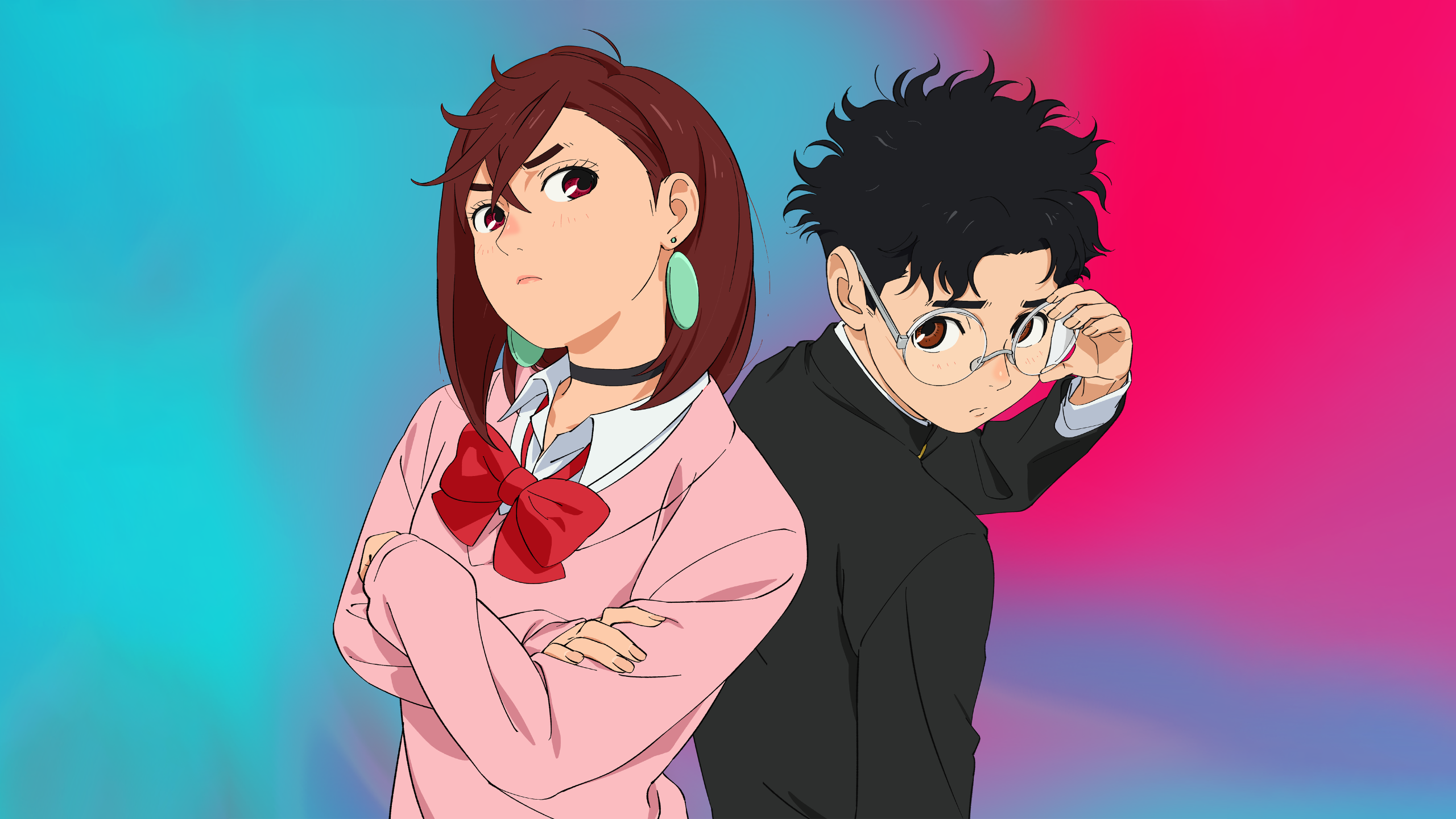
Dandadan’s intensity hits harder because the manga still invests in school life, gossip, embarrassment, and friendship. Several smaller characters exist primarily to keep that “teen reality” alive.
Momo’s classmates and friend circle
Momo’s school friends often serve as:
- Social mirrors that show how strange Momo’s life looks from the outside
- Comedy engines that push romantic tension
- Grounding devices that remind you these are still teenagers
Even when they are not fighting, they matter because they keep the world from feeling like an isolated battleground.
Teachers and school staff
Dandadan uses school staff sparingly, but when they appear, they often underline how disconnected ordinary adults are from what is happening. That contrast is part of the horror: the kids are fighting invisible wars while the normal world keeps turning.
Aliens in Dandadan: major types and why they matter
A mistake many new readers make is assuming aliens are just “the sci-fi flavor.” In Dandadan, aliens are not a single faction with one motivation. They are an ecosystem of agendas and survival strategies.
The Serpo aliens
The Serpo aliens are among the earliest major alien threats and remain a reference point for what alien encounters feel like in this universe. They represent the cold, clinical side of Dandadan’s sci-fi, where humor and disgust can exist in the same scene.
Why the Serpo matter:
- They validate the “aliens are real” side of the premise early
- They establish that the alien threat is organized, not random
- They introduce a pattern where alien motives can be disturbing, not heroic
Alien mercenaries and “complicated enemies”
Dandadan frequently introduces alien figures that start as threats, then gain emotional complexity through personal stakes, loyalty, or family.
This is one of the manga’s strongest habits: it avoids one-note enemies. Even when a character is grotesque, the story might reveal a motivation that forces you to reevaluate them.
Why this matters for the cast:
- It creates recurring side characters who evolve
- It prevents the alien side from feeling repetitive
- It gives the main cast moral dilemmas beyond “defeat the monster”
Technology that changes the rules
Alien tech in Dandadan often functions like a second magic system. It can:
- amplify imagination into reality
- reshape bodies, environments, and tools
- create combat outcomes that look impossible by normal physics
That is why characters like Kinta become surprisingly important. In this world, creativity is not optional, it is a survival skill.
Yokai and spirits: the horror heart of Dandadan characters
If aliens represent the external unknown, yokai represent the internal unknown: trauma, place-bound curses, and legends that feed on human fear.
Tragic spirits and why they hit harder
Dandadan often frames spirits as the result of suffering. This does not excuse what they do, but it shifts the emotional texture of battles. Sometimes defeating a yokai feels like killing a monster. Sometimes it feels like releasing a victim.
This is why Dandadan’s cast feels emotionally richer than a standard “fight the ghost” series.
Acrobatic Silky
Acrobatic Silky is one of the most emotionally heavy yokai storylines in the series. The character is frightening, but the narrative makes room for tragedy, which is exactly how Dandadan turns horror into empathy without losing danger.
Why she matters:
- She proves yokai are not all “evil,” some are broken
- She shows Dandadan can shift tone into genuine sorrow
- She deepens the theme that trauma creates monsters
Reiko Kashima and urban-legend style yokai
Some yokai characters feel like they come straight from urban legends, with specific rules, rituals, and dread logic. These threats are often the ones that make Dandadan feel like horror rather than action comedy.
Why these yokai matter:
- They force the cast to solve problems, not just punch them
- They highlight Seiko’s role as a strategist and protector
- They add “rules-based fear,” which is scarier than raw power
Turbo Granny as a yokai who stays
Turbo Granny deserves a second mention here because her staying power is unusual. Many series would resolve a curse and move on. Dandadan keeps her around, constantly shaping the cast’s tone and risk profile.
Human antagonists and “ordinary cruelty”
Not every threat is alien or yokai. Dandadan also uses human behavior as a source of danger: obsession, bullying, exploitation, and cowardice.
Human antagonists matter because they:
- keep the story from becoming a pure monster-of-the-week cycle
- remind you that supernatural power does not create evil, it magnifies it
- make the emotional stakes personal and uncomfortable
This is also where Yuji-like themes appear: teenagers carrying burdens caused by adult systems and human weakness.
The relationship web that defines the cast
When fans love Dandadan characters, they usually love the relationships as much as the powers.
Momo and Okarun
This is the core bond. Their relationship works because it is not smooth. It is full of:
- embarrassment
- jealousy
- misunderstandings
- genuine protection
- slow, believable trust
Dandadan does not treat romance like an accessory. It treats it like part of being a teenager, and that realism makes the supernatural chaos feel grounded.
Rivalry and social tension
Aira, Jiji, and later additions reshape the group’s emotional geometry. The story uses that tension to:
- reveal hidden feelings
- test loyalty
- create comedy that feels character-based rather than forced
Seiko and the kids
Seiko’s dynamic with the teenagers creates a “found family” backbone. She is not a distant mentor. She is present, involved, and sometimes annoyingly protective, which makes her feel real.
Character “power identities” without turning this into a stat sheet
Dandadan characters are easy to remember when you associate each one with a power identity and a personality identity.
Momo Ayase
- Personality identity: fearless, confrontational, loyal
- Power identity: psychic force and control expressed in physical ways
Okarun
- Personality identity: earnest, anxious, brave under pressure
- Power identity: explosive supernatural speed and aggression tied to a cursed condition
Seiko Ayase
- Personality identity: chaotic adult, deeply competent
- Power identity: spiritual tactics, protection, and exorcism knowledge
Turbo Granny
- Personality identity: nasty, unpredictable, weirdly attached
- Power identity: curse-level pressure and persistent danger
Aira Shiratori
- Personality identity: dramatic, proud, insecure beneath confidence
- Power identity: flashy combat style that matches her personality
Jiji
- Personality identity: loud, friendly, emotionally disruptive
- Power identity: tied to a heavy supernatural threat that reshapes stakes
Evil Eye
- Personality identity: terrifying, unstable, not cleanly good or evil
- Power identity: a long-term curse problem that requires management, not simple defeat
Kinta Sakata
- Personality identity: awkward, imaginative, unexpectedly clutch
- Power identity: creativity becomes functional power via tech and chaos
Vamola
- Personality identity: blunt outsider, intense loyalty
- Power identity: alien-driven conflict and survival context
Rin Sawaki
- Personality identity: controlled, rule-focused, secretly vulnerable
- Power identity: a different style of supernatural involvement that adds variety
If you use this mental model while reading on ComicK, the cast becomes easier to track even when the manga introduces new names quickly.
How to keep track of Dandadan characters while reading on ComicK
Dandadan moves fast. New characters show up, powers appear, factions collide, and the tone flips mid-chapter. A simple reading method helps:
Track characters by “entry arc”
Instead of trying to memorize everyone at once, remember when a character becomes relevant. Dandadan often reintroduces characters through action, so the arc association acts like a bookmark in your mind.
Remember who expands which side of the world
- Momo and Seiko deepen the yokai side
- Okarun and Turbo Granny bridge comedy and curse-horror
- Vamola and alien factions expand the sci-fi side
- Kinta connects alien tech to human creativity
- Jiji and Evil Eye deepen the tragedy-horror side
Revisit only what you need
Use this guide as a quick “who is this again” reference, then go back to reading. The series is designed to be read with momentum, and ComicK makes that binge rhythm easy.
Featured Genres on ComicK for readers who love Dandadan characters
If your favorite part of Dandadan is the character chemistry mixed with supernatural chaos, these ComicK genres typically deliver a similar feeling:
- Supernatural action
- Occult horror
- Sci-fi paranormal
- Action comedy
- Romance with high-stakes plot
These genres tend to feature casts where relationships matter, jokes do not cancel danger, and emotional consequences persist across arcs.
FAQ: Dandadan Characters
Who are the main Dandadan characters?
The core cast includes Momo Ayase, Okarun, Seiko Ayase, Turbo Granny, Aira Shiratori, Jiji, Evil Eye, Kinta Sakata, Vamola, and Rin Sawaki.
Is Momo or Okarun the main character?
Both. Dandadan works as a dual-lead story where Momo and Okarun share the emotional and plot center.
Who is Turbo Granny in Dandadan?
Turbo Granny is a powerful yokai curse who begins as a major threat and later becomes a recurring, unpredictable presence linked to the main group.
Who is Seiko Ayase?
Seiko is Momo’s grandmother, a highly skilled spiritual practitioner, and one of the most important protectors in the story.
Who is Aira Shiratori?
Aira is a school idol figure who becomes involved with the supernatural and evolves from rival energy into a genuine, if dramatic, ally.
Who is Jiji in Dandadan?
Jiji is Momo’s childhood friend who becomes tied to one of the most intense supernatural threats in the series and disrupts the main relationship dynamics.
Is Evil Eye a villain or an ally?
Evil Eye is not a simple category. It begins as a terrifying threat and later becomes a continuing problem the cast must manage and sometimes cooperate around.
Who is Vamola?
Vamola is an alien-connected character who expands the story’s scale and introduces new conflicts and emotional tension within the main cast.
What are the most popular yokai characters in Dandadan?
Fan favorites often include Turbo Granny, Acrobatic Silky, and other arc-defining spirits rooted in urban legend and tragedy.
What is the best way to keep track of Dandadan characters?
Track them by the arc where they become important, remember whether they belong mostly to the alien side or yokai side of the story, and use a quick reference guide while reading on ComicK.
You may also like:
How Tall Is Gojo Satoru? Official Height in JJK
Who Killed Gojo Satoru? The Definitive Canon Answer and Full Breakdown

Jessica is a content editor at ComicK, with experience tracking and curating information from a wide range of Manga, Manhwa, and Manhua sources. Her editorial work focuses on objectivity, verifiable information, and meeting the needs of readers seeking reliable insights into the world of comics.